

Your Brakes Are Your Car’s Most Important Safety Feature
Brake repair is one of the most critical services your vehicle will ever need – and knowing when to act can be the difference between a safe stop and a dangerous one.
Here is a quick overview of what you need to know:
- Squealing, grinding, or a spongy pedal – get your brakes inspected immediately
- Brake pads should be inspected every 12,000 miles and typically last 25,000-65,000 miles
- Brake fluid should be exchanged every 24 months or 24,000 miles
- Brake inspections are available at most major service centers
- A standard brake service typically includes pad replacement, rotor evaluation, and a system check
- Most brake jobs take between 45 minutes and 2 hours
Your braking system uses hydraulic force and friction to bring your vehicle to a stop. When any part of that system wears down, your stopping distance increases – and so does your risk. Brakes are the one system on your car you simply cannot afford to ignore. For a broader overview of how modern vehicle braking systems work, the National Highway Traffic Safety Administration offers helpful safety information.
Think about this: one day your brakes sound fine, and the next morning something just feels off. The pedal goes a little deeper. The car takes a little longer to stop. That small change matters more than most people realize.
I’m William Dickinson, webmaster at Bob’s Lil Car Hospital, and my 20+ years helping businesses communicate complex topics – including brake repair – clearly and accurately means you can trust what you read here. In this guide, we will cover warning signs, inspections, maintenance intervals, and common questions drivers ask. Let’s walk through everything you need to know to keep your family safe on the road.
Brake repair word list:
Recognizing the Warning Signs for Brake Repair

Detecting issues early can save you from a stressful breakdown. Your car usually tries to tell you when something is wrong. One of the most common signs is a high-pitched squealing. This noise often comes from a small metal tab called a wear indicator. It scrapes against the rotor to warn you that the pads are getting thin.
If you ignore the squeal, it may turn into a harsh grinding sound. This typically means the friction material is completely gone. Now, metal is rubbing against metal. This causes significant damage to your rotors and reduces your stopping power. You might also notice the shaky truth about steering wheel vibration when you apply pressure to the pedal.
Other symptoms include:
- A spongy or soft brake pedal.
- The vehicle pulling to one side during stops.
- Shaking or pulsating felt through the pedal.
- Dashboard warning lights, such as the ABS or brake light.
- Increased stopping distances.
Identifying Squeaks and Grinding Noises
When you hear a sharp, consistent squeal, your pads have likely reached their minimum safe level. This is a built-in safety feature. However, temporary squeaks can sometimes happen due to moisture or surface rust after a rainy night in Longview or Kelso. If the sound persists, it is time for a professional look. Grinding is much more serious. It indicates that the caliper is likely contacting the rotor disc directly. This metal-on-metal contact creates heat spots and deep grooves.
Understanding Pedal Feel and Response
A firm, responsive pedal is a sign of a healthy system. If the pedal feels like stepping on a marshmallow, you have a “spongy” pedal. This often points to air bubbles in the hydraulic lines. It could also mean the master cylinder is bypassing fluid internally. In some cases, a leaking brake hose or a faulty brake pedal assembly can change how the car reacts. Never ignore a change in pedal height or resistance.
Essential Components of a Professional Brake Inspection
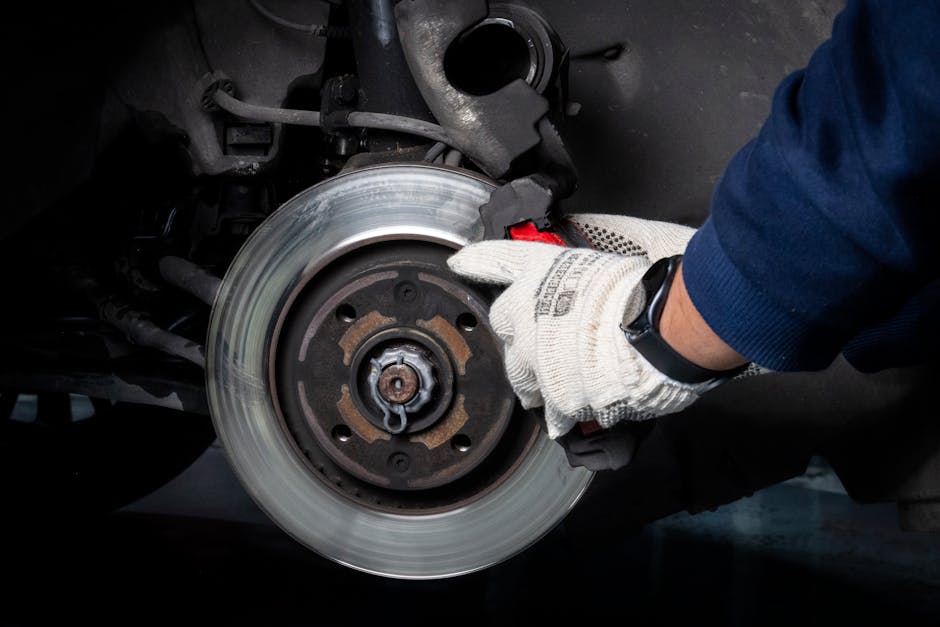
A thorough inspection is the backbone of any quality brake repair. We believe in looking at the whole picture, not just the pads. A professional assessment starts with a visual check of all visible components. We look for leaks around the master cylinder and along the lines. We also test the brake fluid for moisture content.
You can learn more about our brake repair category to see the various parts we examine. This includes checking the thickness of the rotors and the health of the calipers. A road test is often the final step. This allows a technician to feel how the car behaves under real-world conditions in Southwest Washington.
Evaluating Rotors and Drums
Rotors must meet specific thickness requirements to dissipate heat effectively. If they are slightly uneven but still thick enough, we may suggest resurfacing. This process, also called machining, smooths out the surface. However, if they are warped or have deep heat spots, replacement is the only safe option. Using rotors that are too thin can lead to cracking under stress.
Checking Brake Fluid and Hydraulic Lines
Brake fluid is hygroscopic, meaning it absorbs moisture from the air over time. This moisture lowers the boiling point of the fluid. During heavy braking, the fluid could actually boil, leading to a total loss of braking pressure. Moisture also causes internal corrosion in the steel lines and calipers. We recommend a fluid exchange to keep the system clean and responsive.
Maintenance Schedules: When to Service Your Brakes
Staying on a schedule prevents “surprise” repairs. Most experts suggest a full inspection every 12,000 miles or once a year. Your driving habits play a huge role in how long parts last. If you do a lot of stop-and-go driving in downtown Kelso, your pads will wear faster than someone driving highway miles to Rainier.
For luxury vehicle owners, specific guides like the Mercedes GLC pad replacement guide offer tailored advice. Generally, pads last between 25,000 and 65,000 miles. Brake fluid should be exchanged every two years to prevent the corrosion we mentioned earlier.
Understanding Disc vs. Drum Brake Repair
Most modern vehicles use disc brakes on the front wheels. These consist of a rotor, a caliper, and pads. They are excellent at dissipating heat. Some cars still use drum brakes on the rear. Drum brakes use shoes that push outward against a rotating drum. While drums are durable, they can be more complex to service. Both systems require regular lubrication of moving hardware to prevent sticking.
The Importance of Timely Brake Repair
Delaying a repair can lead to a “cascading” failure. Worn pads eventually ruin the rotors. A sticking caliper can overheat the entire wheel assembly, damaging the wheel bearings. Even installing a new pedal assembly won’t help if your hydraulic lines are compromised. Taking care of small issues now keeps your vehicle safe and preserves the life of critical components like the master cylinder and ABS module.
Frequently Asked Questions about Brake Maintenance
How long do brake pads typically last?
Most brake pads last between 30,000 and 70,000 miles. However, this range is wide because of several factors. Heavy vehicle loads and towing put more strain on the friction material. Ceramic pads usually last longer than organic ones. If you live in a hilly area like Coal Creek, expect to service your brakes more often.
Why is my brake pedal feeling soft or spongy?
This is almost always a sign of air in the hydraulic system. Because air compresses and fluid does not, the energy from your foot is wasted compressing the air instead of moving the pads. It can also be caused by a failing master cylinder or a significant fluid leak. A system flush and “bleeding” the lines is the standard fix.
Should I resurface or replace my rotors?
We decide this based on the “minimum discard” thickness marked on the rotor itself. If there is enough metal left to safely machine it, resurfacing is a standard procedure. If the rotor is too thin, warped beyond repair, or has deep cracks, replacement is mandatory for safety. We always recommend installing new pads whenever you get new or resurfaced rotors.
Conclusion
At Bob’s Lil Car Hospital, we take brake repair seriously because we care about our neighbors in Lexington, Longview, and beyond. Our team focuses on professionalism and genuine care. We want to turn a stressful car problem into a pleasant, transparent experience. Whether you need a simple fluid exchange or a full system overhaul, we are here to help.
Routine inspections protect more than your brake pads. They help preserve rotors, calipers, hydraulic lines, and the confident pedal feel you rely on every day. When you address small warning signs early, you reduce the chance of larger safety issues later. That peace of mind matters on every trip through Southwest Washington.
Your safety is our priority. If you have noticed any of the signs mentioned in this guide, do not wait. You can visit our services page for more details or return to our homepage to see our full range of automotive care.
Give us a call today to ask a question about your vehicle’s safety or to schedule your next inspection. We are ready to help you stay safely on the road.