

Is Your Car Actually Ready? A Quick Pre Road Trip Inspection Guide
A pre road trip inspection is a safety check of your vehicle’s key systems before a long drive. Here’s what to cover:
| What to Check | Why It Matters |
|---|---|
| Tire pressure and tread | Prevents blowouts and improves fuel economy |
| Engine oil and fluids | Keeps the engine cool and running smoothly |
| Brakes | Ensures safe stopping on highways |
| Battery | Avoids getting stranded mid-journey |
| Lights and wipers | Keeps you visible and visible to others |
| Belts and hoses | Prevents sudden breakdowns |
| Spare tire and emergency kit | Prepares you for the unexpected |
Planning a road trip with the kids is exciting. But here’s the thing nobody wants to think about: on any given day, around 125 million cars are on U.S. roads. That’s a lot of vehicles — and a lot of things that can go wrong.
A breakdown on a busy highway with a minivan full of tired, hungry kids is nobody’s idea of adventure. The good news? Most roadside emergencies are preventable. A simple check of your vehicle before you leave can be the difference between a smooth trip and a very long day on the shoulder of the road.
As one industry source puts it, a proper pre-trip inspection can prevent up to 90% of roadside emergencies. That’s not a small number.
I’m William Dickinson, the webmaster behind Bob’s Lil Car Hospital, and with over 20 years of experience helping drivers understand vehicle readiness — including what a solid pre road trip inspection actually looks like — I’ll walk you through everything you need to know. Let’s make sure your family trip starts and ends the right way.
Pre road trip inspection helpful reading:
Why a pre road trip inspection is Your Best Travel Insurance
Think of a pre road trip inspection as a physical for your car. You wouldn’t run a marathon without checking your health. Your car shouldn’t face a 500-mile trek without a checkup either. Reliability is the name of the game when you are miles from Kelso or Longview.
Highway driving puts unique stress on a vehicle. High speeds generate more heat. Heavy cargo loads strain the suspension. Constant braking in holiday traffic wears down pads faster than a trip to the local grocery store. By keeping your car running strong, you ensure it has the endurance for the long haul.
Safety is our primary concern at Bob’s Lil Car Hospital. A well-maintained car reacts better in emergencies. Proper tire pressure improves handling. Fresh wiper blades ensure you can see through a sudden Pacific Northwest downpour.
Spotting a frayed belt in your driveway is a minor fix compared to dealing with a snapped belt on a lonely highway. It gives you the peace of mind to focus on the scenery, not the temperature gauge.
The Essential 8-Point Checklist for Every Driver
You don’t need to be a master mechanic to spot trouble. A systematic approach helps you cover the basics. Most drivers can perform these checks in about 20 minutes. We recommend doing this at least a week before you leave. This gives you time to visit us if something looks off.

Performing a DIY pre road trip inspection
- Tires and Tread: Your tires are the only part of the car touching the road. Check the pressure when they are cold. Use the sticker on your driver’s side door jamb for the correct PSI. Don’t forget the penny test for tread depth. Insert a penny head-first into the groove. If you can see all of Lincoln’s head, your tread is below 2/32 of an inch. It is time for new tires.
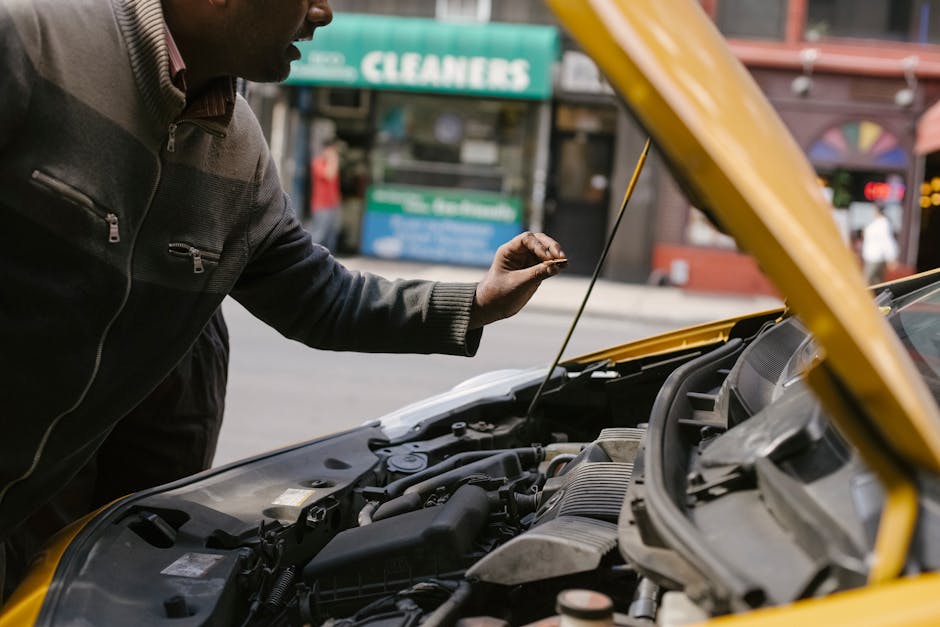
- Oil and Fluids: Pull the oil dipstick, wipe it clean, and reinsert it. The level should be between the “min” and “max” marks. Look at the color. Fresh oil is translucent and amber. Dark, gritty oil needs a change. Check your coolant, brake fluid, and windshield washer levels too.
- Battery Health: Most car batteries last 3 to 5 years. Look for white, ashy corrosion on the terminals. If your car cranks slowly when starting, the battery is likely weak. We can perform a professional load test to see if it will survive the trip.
- Wiper Blades: Run your finger along the rubber. If it feels brittle or shows cracks, replace them. You don’t want to discover bad wipers during a storm in Woodland or Kalama.
- Lights: Have a family member stand outside while you test the headlights, high beams, turn signals, and brake lights.
- Air Filter: A clogged filter starves the engine of air. This reduces fuel efficiency. If it looks like a dusty basement, swap it out.
- Belts and Hoses: Look for cracks in the serpentine belt. Squeeze the radiator hoses. They should feel firm but flexible. If they feel “mushy” or brittle, they are at risk of bursting.
- Basic Tools: Ensure you have a working jack and lug wrench. Check the air pressure in your spare tire. A flat spare is just as useless as a flat main tire.
Red Flags and Warning Signs You Can’t Ignore
Your car often tries to tell you when it’s hurting. Listen to it. If your brake pedal feels “spongy” or sinks to the floor, you have air in the lines or a leak. This is a major safety risk. Grinding or squealing noises usually mean your brake pads are worn down to the metal.
Watch your dashboard. A “Check Engine” light is not a suggestion. Use the definitive guide to diagnosing car problems to understand what those symbols mean.
Smell is another indicator. A sweet, syrup-like scent often points to a coolant leak. A thick, acrid smell could be burning oil. If you hear popping or hissing, you might need a professional exhaust system inspection. Older vehicles (5+ years) should have the exhaust checked annually to prevent poisonous gases from entering the cabin. Finally, if the steering wheel vibrates at high speeds, your alignment or wheel balance is likely off.
Choosing Between Driveway Checks and Expert Evaluation
A DIY check is a fantastic start. It catches the obvious stuff. However, professional technicians use specialized tools that the average garage lacks. We can see things you might miss, like a tiny leak in a brake line or a suspension bushing that is starting to tear.
| Feature | DIY Visual Check | Professional Diagnostic |
|---|---|---|
| Fluid Levels | Easy to see | Can test fluid chemistry |
| Tire Tread | Penny test works | Checks for alignment patterns |
| Brake Pads | Hard to see through wheels | Measurements with calipers |
| Battery | Visual corrosion check | Digital load and voltage test |
| Belts/Hoses | Visual cracks only | Tension and internal wear check |
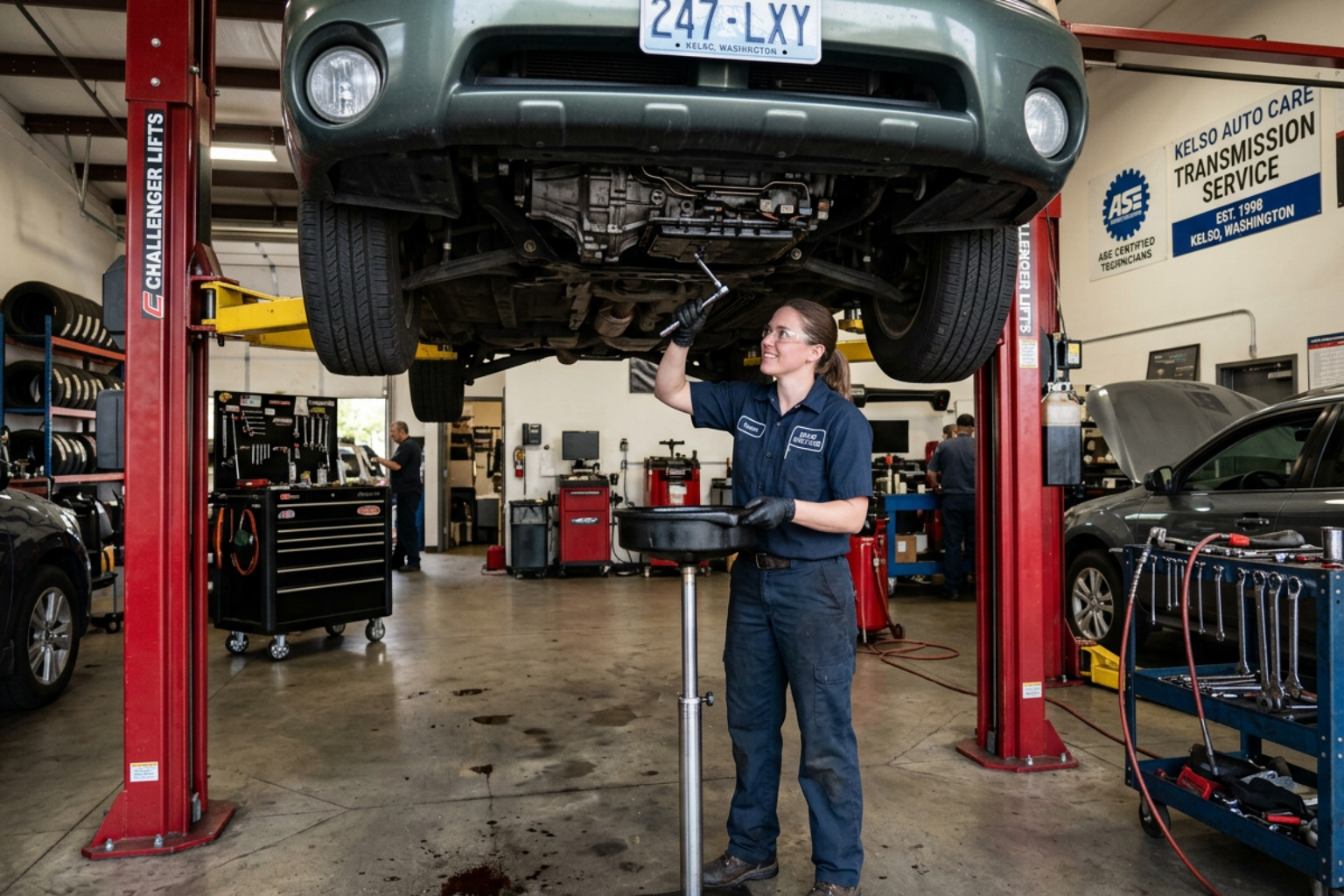
A professional pre road trip inspection at Bob’s Lil Car Hospital is like a deep-dive wellness check. We look at the steering linkage and the cooling system pressure. We ensure your suspension is aligned so you don’t scrub the life off your tires on the highway. You can find more details on our services page.
When to Schedule a Professional pre road trip inspection
If your car is more than five years old, an expert eye is vital. Older parts fail more frequently under the heat of long-distance travel. If you are towing a trailer or boat, your brakes and transmission face double the stress.
We provide top auto repair services in Kelso and the surrounding Southwest Washington areas. Our technicians perform a comprehensive wellness check. We cover every critical system from the alternator to the zinc coating on your rotors. This level of detail provides true peace of mind. You can relax knowing a certified pro signed off on your vehicle’s safety.
Packing Your Roadside Emergency Kit and Documents
Even with the best preparation, the road can be unpredictable. A “survival kit” should live in your car year-round. It is even more important during a road trip.
Your kit should include:
- Jumper cables or a portable jump starter.
- A portable tire inflator.
- A high-quality flashlight with extra batteries.
- A first aid kit and a basic tool kit (screwdrivers, pliers, wrench).
- Reflective triangles or flares to stay visible if you stop.
- Non-perishable snacks and plenty of water.
- A blanket and warm clothing (even in summer).
Don’t forget your paperwork. Use a written checklist to ensure you have your driver’s license, registration, and proof of insurance. Keep these in the glove box, not buried in a suitcase. Having your owner’s manual handy is also helpful for looking up fuse locations or light bulb types.
Frequently Asked Questions About Trip Prep
How often should I rotate my tires before a long drive?
Tire rotation is recommended every 6,000 miles or every six months. Front tires wear faster because they handle the weight of the engine and the friction of cornering. Rotating them ensures even wear across all four tires. This extends their life and keeps your handling predictable. If you haven’t had a rotation in the last few months, get it done before your trip. It is a simple step that prevents you from needing to install new parts prematurely.
How long does a typical vehicle battery last?
Most car batteries last between 3 and 5 years. However, extreme temperatures can shorten that lifespan. High heat causes battery fluid to evaporate. Cold weather reduces the battery’s ability to provide a strong start. If your battery is over three years old, have it tested. We check the voltage and the cold-cranking amps to ensure it won’t fail when you stop for gas in the middle of nowhere.
When should I replace my car’s belts and hoses?
The general “four-year rule” is a good standard. Rubber components degrade over time due to heat and vibration. Belts over four years old should be replaced by a technician. Look for “glazing” (a shiny, burnt look) on the underside of the belt. For hoses, look for cracks near the clamps. A serpentine belt failure is a “show-stopper.” It powers your alternator, power steering, and water pump. If it snaps, your car stops immediately.
Conclusion
At Bob’s Lil Car Hospital, we believe every family deserves a safe journey. Our goal is to turn the stress of vehicle maintenance into a pleasant experience. Whether you are traveling through Castle Rock, Woodland, or across state lines to Rainier, we want you to feel confident.
A pre road trip inspection is a small investment of time that pays huge dividends in safety. From checking your tire pressure to verifying your brake health, these steps keep your kids off the shoulder and in their seats. Visit our services page to see how we can help you prepare.
If you have any questions about your vehicle’s readiness, please call us and ask a technician today! We are here to keep Southwest Washington rolling safely.