

Transmission Fluid Flush Cost: Expert 2026 Guide
Why Transmission Fluid Matters for Your Vehicle’s Health
Understanding the right transmission fluid service for your vehicle helps you make informed decisions about its care. The proper approach depends on several key factors:
- Service type: A drain-and-fill replaces partial fluid, while a flush exchanges nearly all of it.
- Vehicle type: Automatic, manual, CVT, and luxury vehicles require different fluids and procedures.
- Fluid specification: The manufacturer’s recommended fluid is essential for optimal performance.
- Labor complexity: Sealed transmissions and specialized equipment can affect the service process.
- Additional parts: Filters, gaskets, and pans may need to be serviced.
Your transmission works hard every mile you drive. It depends on clean fluid to lubricate moving parts, manage heat, and remove contaminants that build up over time. When that fluid breaks down—turning dark, smelling burnt, or losing its protective properties—your transmission struggles. Gears grind. Shifts delay. Heat climbs.
Most drivers forget about transmission fluid until something feels wrong. A shudder between gears. A whine under acceleration. By then, the damage may already be spreading. Regular transmission service isn’t just about following a maintenance schedule—it’s about protecting one of your vehicle’s most critical components before a small problem becomes a significant one.
Whether you’re noticing shifting issues or approaching a service interval, knowing what this maintenance involves helps you ask the right questions. This guide breaks down what goes into a professional transmission service so you can make confident maintenance decisions.
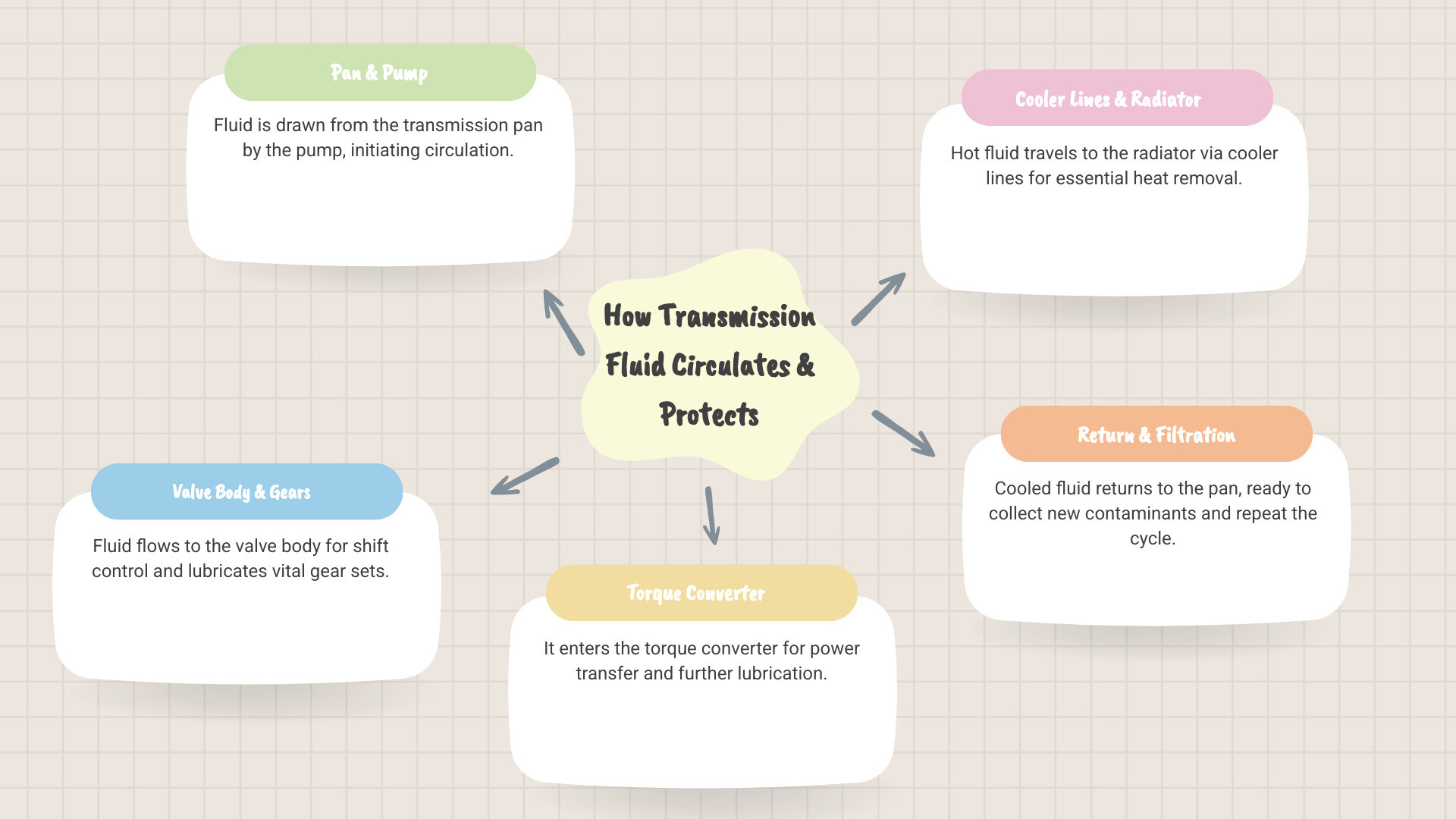
Transmission Fluid Service: Flush vs. Change
When it comes to maintaining your transmission, you’ll often hear about two primary services: a fluid change and a fluid flush. While both aim to refresh your transmission fluid, they achieve this in distinctly different ways, which impacts the thoroughness and outcome of the service.
A transmission fluid change, often referred to as a “drain and fill,” is the simpler of the two procedures. It involves draining the old transmission fluid from the transmission pan and then refilling it with new fluid. During this service, we typically remove the transmission pan, allowing us to replace the transmission filter and inspect the pan’s magnet for any metal shavings, which can indicate internal wear. This method usually replaces about 70% of the old fluid, as a significant amount remains within components like the torque converter and cooler lines. This partial fluid replacement is a common and effective routine maintenance step.
On the other hand, a transmission fluid flush is a more comprehensive process. This service uses specialized equipment to exchange nearly all of the transmission fluid. A machine connects to your transmission’s cooler lines, actively pumping new fluid in while simultaneously extracting the old fluid. This ensures that the fluid in the torque converter, cooler lines, and other parts of the system is completely replaced, not just the fluid in the pan. A flush can be nearly 100% effective at replacing fluid, often requiring a larger volume of new fluid (typically 12 to 22 quarts compared to 5 to 7 quarts for a change). This process is generally quicker than a fluid change, often taking under an hour, but it requires professional-grade equipment and expertise.

Benefits and Considerations of Each Method
Choosing between a transmission fluid flush and a fluid change depends on several factors, including your vehicle’s mileage, service history, and manufacturer recommendations. Both methods offer distinct benefits and considerations.
For a transmission fluid change (drain and fill), the primary benefits include:
- Pan Inspection and Debris Check: Removing the transmission pan allows us to visually inspect for sludge, metal shavings, and other debris that could indicate internal transmission issues. This provides valuable diagnostic insights.
- Filter Replacement: The transmission filter, located within the pan, is replaced during a fluid change. A clean filter is crucial for preventing contaminants from circulating through the system.
- Gasket Inspection: We also inspect and typically replace the pan gasket, which helps prevent leaks.
- Gentler Approach: For older vehicles or those with high mileage, a drain and fill can be a less aggressive option, as it avoids the higher pressure associated with a flush that some worry could dislodge sediment.
A transmission fluid flush, while more thorough in fluid replacement, offers its own set of advantages:
- More Thorough Fluid Removal: A flush removes almost all of the old, degraded fluid, including what’s in hard-to-reach areas like the torque converter and cooler lines. This ensures your transmission is operating with nearly 100% fresh, clean fluid.
- Cleans Entire System: By circulating new fluid throughout the entire system, a flush can help remove contaminants and sludge that might be clinging to internal components.
However, there are potential considerations with a flush, especially for high-mileage vehicles that haven’t had regular transmission service:
- Dislodging Debris: Some experts express concern that the higher pressure of a flush could dislodge accumulated sediment in older, potentially worn transmissions. This dislodged debris could then clog critical passages, leading to new problems.
- Fluid Type Sensitivity: Using the wrong type of fluid during a flush can also cause issues.
- Professional Assessment is Key: The decision to perform a flush or a change should always involve a professional assessment of your transmission’s condition and a review of your vehicle’s service history. We always prioritize following manufacturer recommendations to ensure the best care for your vehicle. For many vehicles, particularly those with a history of consistent maintenance, a flush can be an excellent way to ensure peak transmission health. If there’s concern about an older, neglected transmission, a series of drain-and-fills might be a safer approach to gradually introduce new fluid.
Key Factors That Influence Transmission Fluid Service
Understanding the factors that influence your transmission service is crucial for informed vehicle maintenance. It’s not just about the fluid itself; it’s about the complexity of the service, the vehicle’s design, and the specialized materials required.
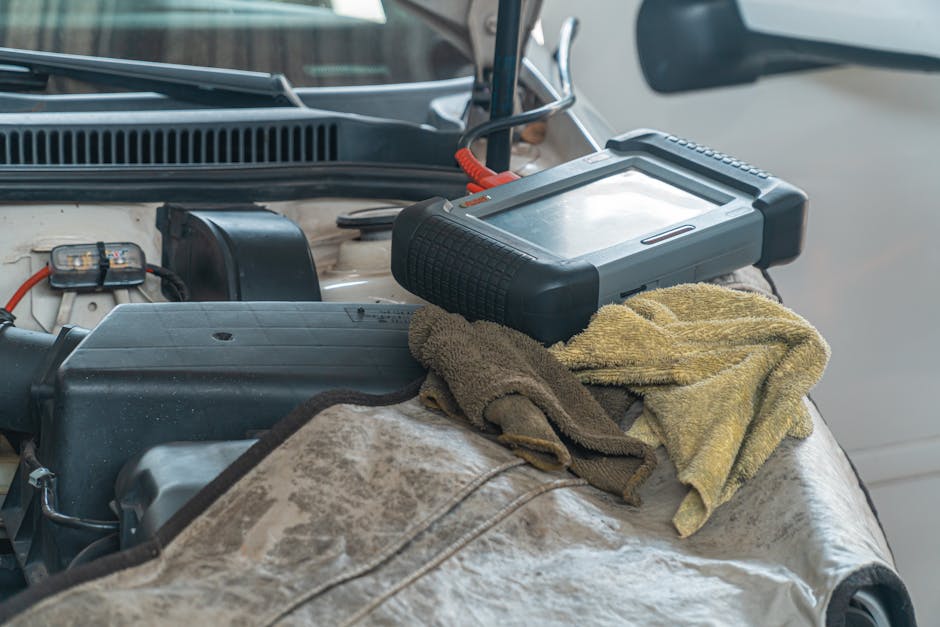
The service complexity plays a significant role. Modern transmissions, especially automatic and CVT systems, are intricate pieces of engineering. This often translates to increased labor time for our skilled technicians. For instance, some transmissions are “sealed,” meaning they lack a traditional dipstick for checking fluid levels. These require specific procedures, often involving a scan tool to monitor fluid temperature for accurate filling, which adds to the labor involved. Furthermore, performing a proper flush requires specialized equipment that can safely and effectively exchange the fluid throughout the entire system. This machinery and the training to operate it are essential for a proper service.
Beyond the service itself, the need for additional parts can affect the overall service. While a drain and fill typically involves replacing the pan gasket and filter, a flush might not always include these, depending on the shop’s procedure and your transmission’s design. We believe in transparency and will always discuss what’s included in your service.
At Bob’s Lil Car Hospital, we pride ourselves on providing comprehensive auto repair services custom to your vehicle’s specific needs. More info about our auto repair services
Vehicle Type and Its Impact on Transmission Fluid Service
The type of vehicle you drive is a major determinant in the complexity and associated factors of transmission fluid service. Different transmissions have unique requirements that influence the overall approach.
- Vehicle Make and Model: Each manufacturer designs its transmissions differently, leading to varying service procedures. Some vehicles are simply more challenging to service due to accessibility or specific design elements.
- Automatic vs. Manual vs. CVT:
- Automatic transmissions are generally more complex to service than manual transmissions. They hold more fluid and have intricate internal components that require precise fluid types and exchange methods.
- Manual transmissions typically use gear oil, which has different specifications and service intervals than automatic transmission fluid. They are often simpler to service, making them potentially more straightforward.
- Continuously Variable Transmissions (CVTs) are a unique beast. They require very specific CVT fluid, which is often more sensitive to heat and degradation than traditional ATF. Servicing a CVT demands specialized fluid and adherence to strict manufacturer guidelines.
- Sealed Transmissions: Many newer vehicles feature “sealed” transmissions, meaning they don’t have a traditional dipstick. Checking and changing fluid in these systems requires specialized tools and diagnostic equipment to ensure the correct temperature and fluid level, adding to the service complexity.
- Drivetrain (FWD, RWD, AWD): While less impactful than transmission type, the drivetrain configuration can sometimes influence accessibility and, therefore, labor time.
- Luxury and Performance Vehicles: These vehicles often come with highly engineered transmissions (like Dual-Clutch Transmissions or DSGs) that demand highly specialized fluids and precise service procedures. Their advanced nature often means more intricate service requirements.
Fluid Choice: A Major Factor in Your Transmission Fluid Service
The type and quantity of transmission fluid your vehicle requires are among the most significant factors influencing your service. It’s not just about pouring in any red liquid; it’s about using the right fluid.
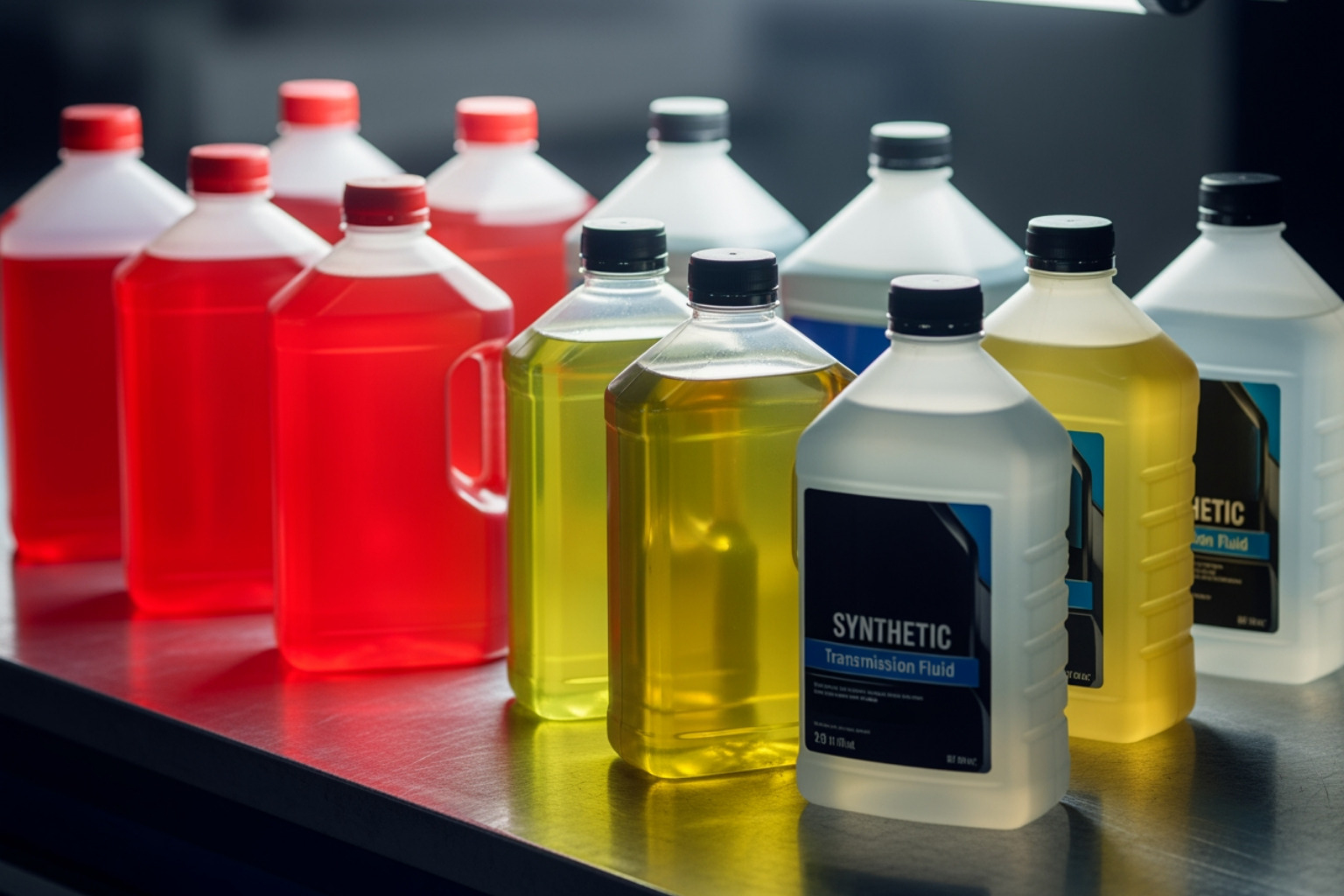
- Fluid Specification: Automakers engineer their transmissions to work optimally with very specific fluid formulations. Using an incorrect fluid type can lead to poor shift quality, accelerated wear, and even transmission failure. This is why we always adhere to OEM-approved fluid specifications for your vehicle. These proprietary blends and formulations ensure compatibility and peak performance.
- Conventional vs. Synthetic ATF: Transmission fluids come in various types, including conventional and synthetic automatic transmission fluid (ATF). Synthetic fluids are engineered for superior performance, offering better lubrication, improved heat resistance, and a longer lifespan. Their protective benefits often make them an excellent choice for long-term performance.
- Fluid Capacity: The total volume of fluid your transmission holds directly impacts the service. As noted earlier, a full transmission flush can require significantly more fluid (12 to 22 quarts) compared to a typical drain and fill (5 to 7 quarts).
We ensure that the correct fluid is always used for your specific make and model. This attention to detail safeguards your transmission’s longevity and performance, ensuring you get the most out of your service.
When Does Your Transmission Need Service?
Recognizing the signs that your transmission fluid needs attention can save you from more extensive repairs down the road. Your vehicle often gives subtle clues before a major problem arises. Knowing what to look for and listening to your car are key to proactive maintenance.
One of the most common indicators is changes in shifting performance. If you notice delayed or rough shifts, where the transmission hesitates before engaging a gear or shifts with a noticeable jolt, it’s a strong sign. Similarly, slipping gears, where the engine revs up but the car doesn’t accelerate as it should, or the transmission feels like it’s “missing” a gear, can be a symptom of fluid breakdown or low fluid levels. You might also hear unusual grinding or whining noises coming from the transmission, which can indicate a lack of proper lubrication or internal wear.
Now Inspect Your Transmission Fluid
Another critical sign is the fluid appearance itself. Ideally, healthy transmission fluid should be bright red and somewhat translucent. If you check your fluid (if your vehicle has a dipstick) and find it’s dark or burnt, or if it has a distinct burnt smell, it’s a clear indication that the fluid has degraded and is no longer providing adequate protection. This burnt smell is often due to overheating, which can severely damage internal components. Finally, any visible leaks under your vehicle, particularly reddish fluid, should prompt an immediate inspection. Leaks mean low fluid levels, which can quickly lead to catastrophic transmission failure.
If you’re experiencing any of these symptoms in Lexington, WA, Rocky Point, WA, or any of our other locations in Southwest Washington, it’s wise to have your transmission inspected promptly. Sometimes, issues that seem like transmission problems can stem from other systems, like electrical components. For assistance with diagnosing complex issues, we can help. Car Electrical Diagnostic Near Me: Expert Tips for Choosing a Reliable Mechanic
Following Manufacturer Service Intervals
Beyond recognizing warning signs, adhering to your vehicle’s recommended service schedule is the cornerstone of preventative maintenance. Your owner’s manual is your most reliable guide for how often your transmission fluid should be serviced.
Most manufacturers recommend a transmission fluid change or flush every 30,000 to 60,000 miles for automatic transmissions, though this can vary significantly by make and model. For manual transmissions, intervals typically fall within a similar range, often every 30,000-60,000 miles. However, it’s crucial to consider your driving conditions. If you frequently engage in severe driving (e.g., heavy towing, stop-and-go city traffic, extreme temperatures, or off-roading), you may need more frequent service than if you primarily do normal driving (e.g., highway commuting).
The concept of “lifetime” fluid has also caused some confusion. While some manufacturers claim their transmission fluid never needs changing, our experience and industry best practices suggest that even these fluids benefit from periodic replacement, often around 60,000 miles or every 5 years, due to additive breakdown over time. The “lifetime” often refers to the expected lifespan of the first owner or a shorter period than the vehicle’s full potential lifespan.
Always consult your specific owner’s manual for precise recommendations. For example, a quick glance at an Example Toyota Maintenance Schedule can show how detailed these schedules can be. By diligently following these guidelines, you’re not just performing maintenance; you’re actively Keeping Your Car Running Strong and preventing premature wear.
Frequently Asked Questions about Transmission Service
We often hear several common questions from our clients regarding transmission fluid service. Let’s address some of these to help you make the best decisions for your vehicle.
Can a transmission flush damage an older, high-mileage vehicle?
This is a frequently debated topic, and it’s important to understand the nuances. The concern stems from the idea that a transmission flush, with its more thorough cleaning action, might dislodge accumulated sludge and debris in an older, high-mileage transmission that hasn’t been regularly serviced. If these particles are dislodged, they could potentially clog narrow passages, screens, or valves, leading to new problems or exacerbating existing ones.
The detergent properties of new fluid, when introduced rapidly, could also stir up these deposits. Additionally, if the old fluid was acting as a sealant for minor leaks, the new fluid’s different viscosity might reveal these leaks. In some cases, improper procedures, like introducing air pockets into the system or failing to set correct fluid levels, can also lead to issues post-flush.
However, it’s crucial to note that if performed properly by a qualified technician using the correct equipment and fluid, a transmission flush will not damage a healthy transmission. The key lies in the “health” of the transmission beforehand. For a very old transmission with a questionable service history, a professional assessment is paramount. In such cases, we might recommend a more conservative approach, such as a series of drain-and-fills, to gradually introduce new fluid without shocking the system or dislodging large amounts of sediment. This allows the new fluid to slowly clean the system over time. The decision should always be made after a thorough inspection and discussion of your vehicle’s history.
Is a DIY transmission fluid change a good idea?
The appeal of performing a hands-on DIY transmission fluid change is understandable. For some vehicles, particularly older models with manual transmissions, a drain and fill can be a relatively straightforward task for an experienced DIYer with the right tools and knowledge.
However, for modern vehicles, especially those with automatic, CVT, or “sealed” transmissions, the process becomes significantly more complex and carries notable risks:
- Required Tools: Beyond basic wrenches, many modern transmissions require specialized tools for accessing drain/fill plugs, specific pumps for refilling, and diagnostic scan tools to monitor fluid temperature for accurate leveling.
- Risks of Error: Incorrectly performing the service can lead to serious problems. Using the incorrect fluid type is a major risk and can cause severe damage. Improper fluid level (too much or too little) can lead to overheating, poor shifting, or component wear.
- Warranty Concerns: Performing DIY maintenance, especially if done incorrectly, could potentially void your vehicle’s warranty.
- Environmental Disposal: Used transmission fluid is a hazardous waste and must be disposed of properly. This often requires taking it to a specialized recycling center, which adds another step to the DIY process.
Given the complexity of modern transmissions and the potential for significant mistakes, professional service is often the most reliable and safest option. We recommend professional service for modern or complex transmissions to ensure the job is done right, protecting your vehicle and your investment.
Your Next Step for a Healthier Transmission
Understanding the nuances of transmission fluid service, from the difference between a flush and a change to the factors that determine the right procedure, empowers you to make informed decisions for your vehicle. We’ve seen how proactive care and timely maintenance can prevent minor issues from escalating into major repairs, ensuring you enjoy a smooth and reliable ride for years to come.
At Bob’s Lil Car Hospital, serving our communities in Lexington, WA, Rocky Point, WA, Ostrander, WA, Kelso, WA, Longview, WA, Coal Creek, WA, Rainer, OR, Eufaula, WA, Kalama, WA, Castle Rock, WA, Toutle, WA, Woodland, WA, Winlock, WA, and across Southwest Washington, we are committed to exceptional customer service, genuine care, and professionalism. We understand that car issues can be stressful, and our goal is to turn those experiences into pleasant ones.
If you’re noticing any warning signs, approaching a service interval, or just have questions about what type of transmission service is best for your vehicle, don’t hesitate to call. Our expert team is here to provide a professional consultation and answer any questions you may have.
Have a question about your transmission? Call our expert team today for advice! Contact us for expert advice