

Why Your Car Battery Deserves Attention Before It Fails
Battery testing and replacement is the key to avoiding unexpected breakdowns and keeping your vehicle reliable. Here’s what you need to know:
Quick Answer: Battery Testing and Replacement Essentials
- Testing frequency: Every 3-4 years (or every 2 years in hot climates)
- Replacement timing: When voltage drops below 12 volts or battery is 3-5 years old
- Testing duration: 15-30 minutes for professional testing
- Replacement time: 20-30 minutes for most vehicles
- Where to get service: Mobile services (come to you) or in-shop appointments
- Cost: Varies by battery type and vehicle, but an affordable investment in reliability
You turn the key. Nothing. Just a clicking sound. Maybe you’re running late for work, or worse—you’ve got the kids in the backseat and you’re miles from home. This is the moment every driver dreads.
The frustrating truth is that car batteries often fail without warning, turning a normal day into a stressful, inconvenient ordeal. But it doesn’t have to be this way.
A sturdy battery typically lasts 3-5 years, depending on your climate and driving habits. The problem is that most of us don’t think about our battery until it’s too late. Regular testing takes just 15 minutes and can tell you exactly how much life your battery has left—giving you the power to replace it on your schedule, not when you’re stranded.
Whether you’re experiencing slow starts, dimming lights, or your battery is simply getting older, understanding when and how to test and replace it can save you from stress, time, and unexpected expenses. Many services can even test and replace your battery right in your driveway or workplace.
Decoding the Signs: When to Get Your Car Battery Checked
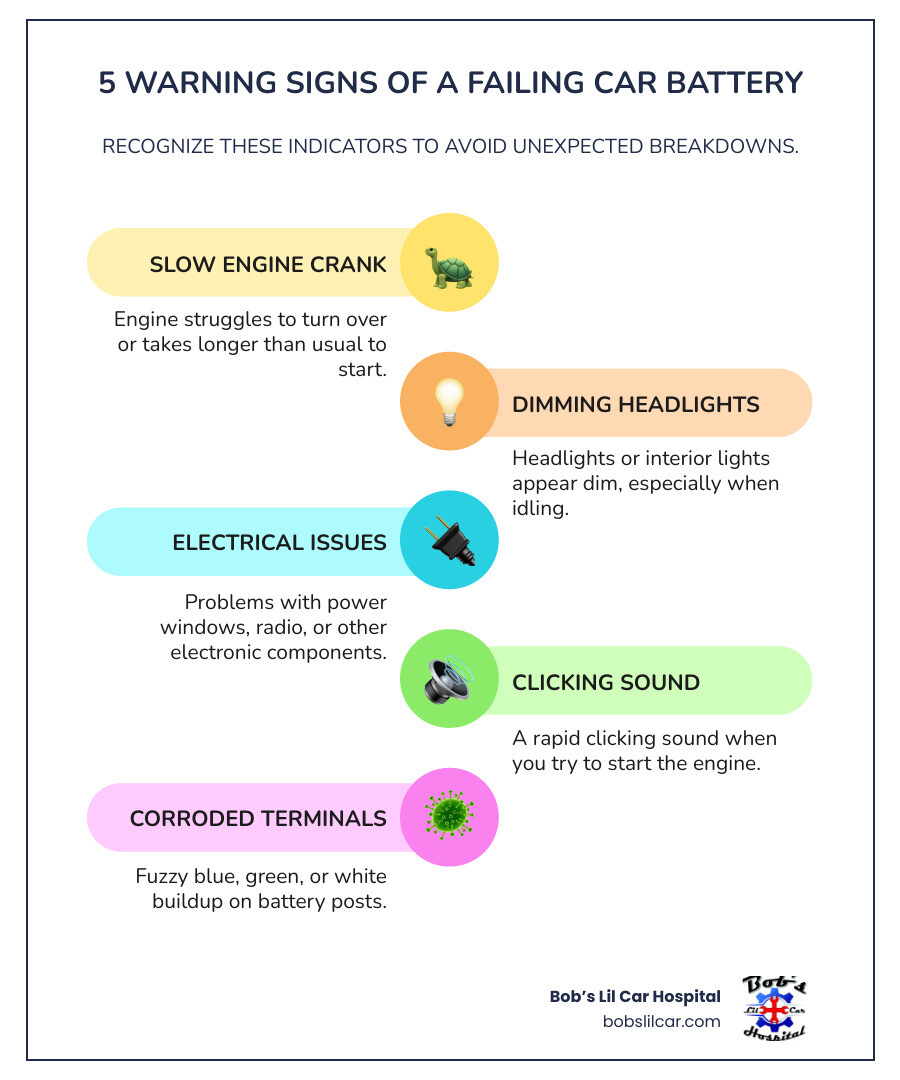
Sometimes, our cars send subtle hints that something isn’t right. When it comes to your battery, those hints can quickly escalate into a complete breakdown. It’s crucial to recognize the Warning Signs that your car battery needs testing and replacement.
Here’s what to look out for:
- Slow Engine Crank: If your engine turns over sluggishly when you start the car, it’s a classic sign the battery is struggling to power the starter.
- Dimming Headlights and Electrical Issues: A weak battery can’t power your car’s electronics effectively. Noticeably dim headlights, slow power windows, or a glitchy infotainment system are all red flags.
- Clicking Sound When Starting: The dreaded “click, click, click” means there isn’t enough power to engage the starter motor. Your battery is likely dead or extremely weak.
- Corroded Battery Terminals: A white or bluish powder on your battery terminals is corrosion. It hinders power flow and can signal an underlying battery problem, even if cleaning helps temporarily.
- Swollen Battery Case: A swollen or bloated battery case is a serious sign of internal damage from issues like overcharging. It requires immediate replacement.
If you’re experiencing any of these issues in Kelso, Longview, Kalama, Castle Rock, Toutle, or anywhere in Southwest Washington, it’s time to get your battery checked. Don’t wait until you’re stranded!
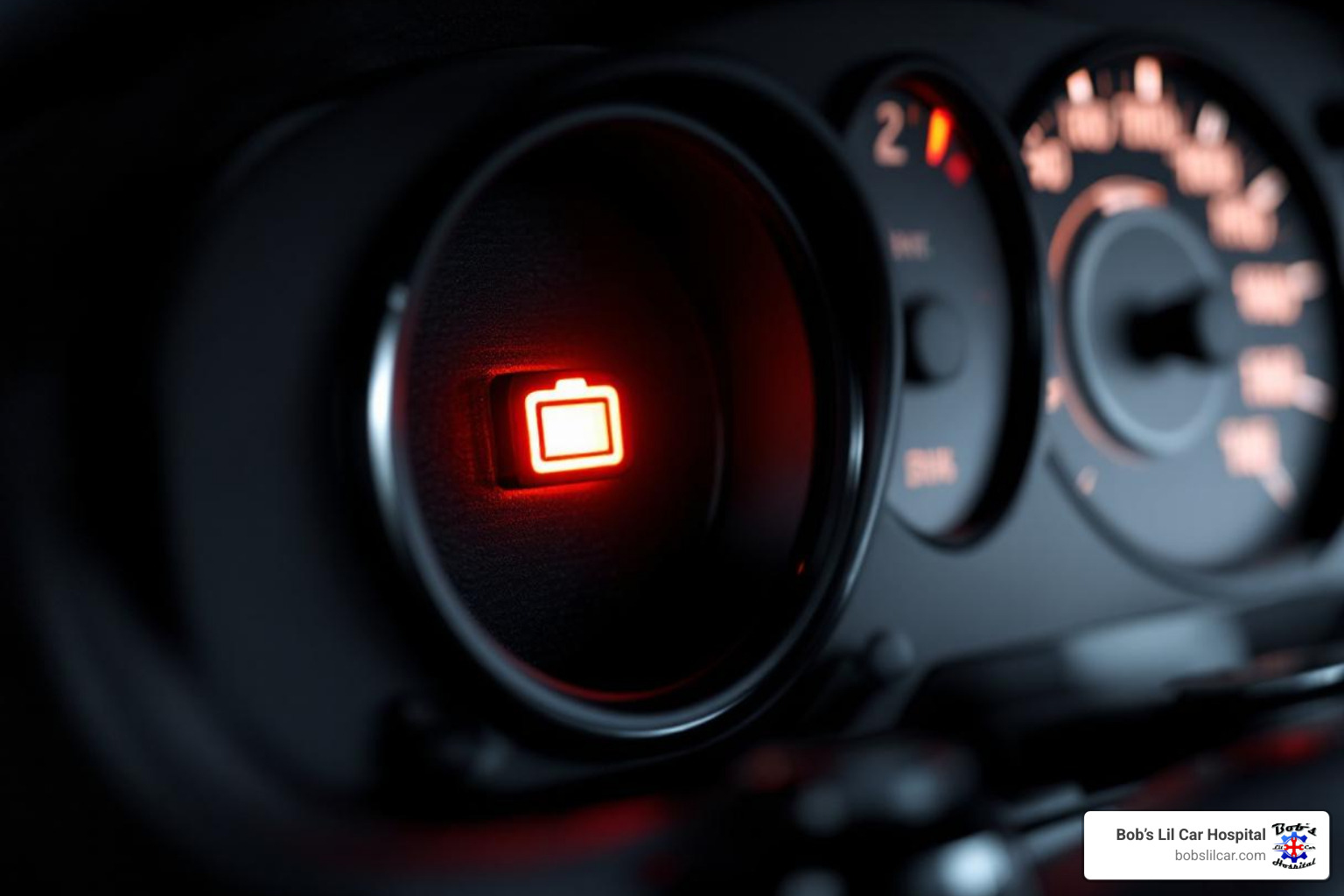
How Long Do Car Batteries Last?
A typical car battery lasts about 3-5 years, but its lifespan depends on several factors:
- Driving Habits: Short, frequent trips prevent the alternator from fully recharging the battery, shortening its life. Letting a car sit for long periods can also cause premature failure.
- Maintenance: Regular care, like cleaning terminals and securing connections, helps a battery last longer. Our Regular Maintenance services can help.
- Climate: Extreme temperatures, which we experience in Southwest Washington, are a battery’s worst enemy.
While a battery might last up to 5 years, we recommend testing it once it hits the 3-year mark. Regular testing can estimate how much longer your battery will last, allowing you to plan for a replacement.
The Impact of Extreme Temperatures
Extreme temperatures in Southwest Washington pose a major challenge to your car battery, affecting its performance and lifespan.
- Cold Weather Effects: Cold weather slows a battery’s chemical reactions, reducing its power. At the same time, thicker engine oil requires more power to start. This combination is tough on any battery, especially an older one, often leading to failure. For tips, see More on how to jumpstart a car in the cold.
- Hot Weather Damage: Surprisingly, heat is more damaging than cold long-term. It accelerates internal corrosion and fluid evaporation. This damage accumulates over the summer and can cause the battery to fail unexpectedly during the first cold snap.
Because of these effects, we strongly recommend testing your battery in the fall and spring. This proactive approach helps ensure you’re ready for whatever weather Southwest Washington throws at your vehicle.

The Professional Diagnosis: A Deep Dive into Battery Testing and Replacement
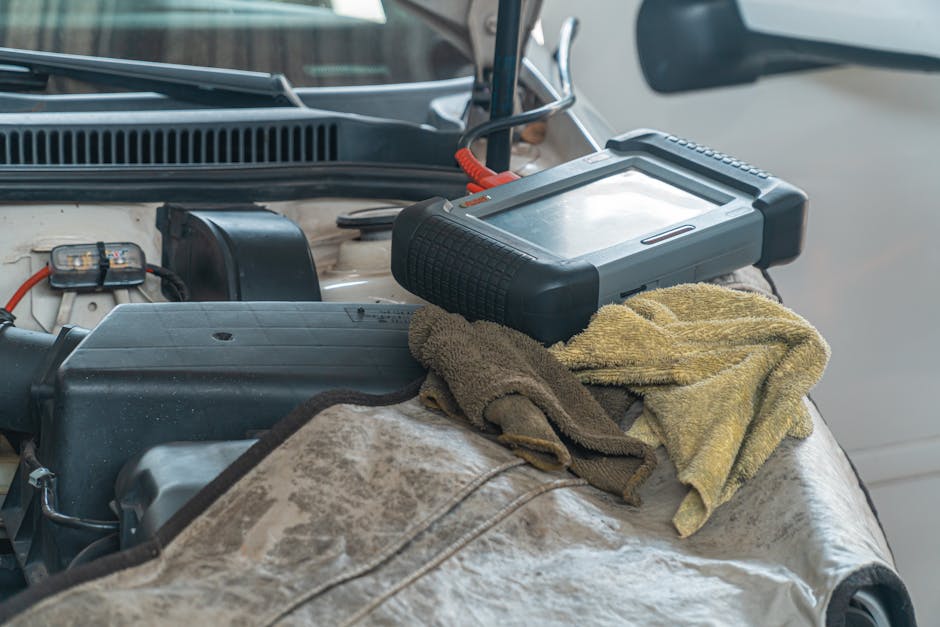
When your car shows signs of battery trouble, a professional diagnosis is the best way to understand the root cause. Our experts in Kelso and Longview perform comprehensive battery testing and replacement services, assessing the battery and the entire charging system.
- Visual Inspection: We visually inspect the case and terminals for corrosion, leaks, cracks, or swelling.
- Voltmeter Test: We use a voltmeter to measure resting voltage. A healthy battery reads around 12.6 volts; below 12 volts often means replacement is needed.
- Battery Load Test: A load test simulates starting the engine to measure the battery’s ability to perform under pressure. This reveals its true health, even if the resting voltage seems fine.
- Charging System Check: We check the alternator to ensure it’s properly recharging the battery while you drive. A failing alternator can ruin a new battery.
- Starter Function: If the car won’t start, we also check the starter. A faulty starter can mimic a dead battery, so we diagnose the entire starting system.
Our comprehensive approach pinpoints the exact problem, empowering you with clear information for your vehicle’s Auto Repair needs.
The Professional Battery Testing and Replacement Process
When you bring your vehicle to Bob’s Lil Car Hospital, we make the process efficient and stress-free. A battery check takes about 15 minutes, and a replacement usually takes 20-30 minutes.
- Initial Assessment: We perform a comprehensive test (visual, voltage, load) to diagnose the battery’s health.
- Results and Recommendation: We explain the results and recommend a replacement if the battery is failing.
- Battery Selection: We help you select the correct battery for your vehicle and our local climate.
- Safe Replacement: Our technicians safely disconnect and remove the old battery, following proper procedures to prevent electrical shorts.
- Cleaning and Preparation: We clean the battery tray and terminals to ensure a solid connection and prevent future corrosion.
- New Battery Installation: We install the new battery, secure it, and reconnect the terminals correctly.
- System Check: Finally, we check that the new battery is charging properly and all systems are working.
We strive to provide Quality Automotive Repairs efficiently, getting you back on the road with confidence.
Battery Repair vs. Replacement: What’s the Difference?
Can a car battery be repaired? While minor issues can be addressed, true “repair” is limited, and replacement is often the only solution.
- Minor “Repairs” (Maintenance): We can sometimes resolve issues by cleaning corroded terminals, tightening loose cables, or diagnosing and fixing a “parasitic drain” that depletes the battery when the car is off.
- When Replacement is Necessary: Replacement is the only option when a battery can no longer hold a charge, has internal damage (like a swollen case), or is simply old. After 3-5 years, a battery’s reliability drops significantly. If jump-starts are becoming a regular occurrence, it’s a clear sign you need a new battery to avoid a Dead Battery situation.
Selecting the Perfect Match: How to Choose Your Next Car Battery
Choosing the right replacement battery is about matching it to your car’s needs and our Southwest Washington climate. Our team can help you steer the options for Batteries, but here are the key considerations:
- Group Size: This refers to the battery’s physical dimensions and terminal location. Using the wrong size, specified in your owner’s manual, can cause damage.
- Cold Cranking Amps (CCA): Crucial for our cold winters, CCA measures starting power at 0°F (-18°C). A higher CCA provides more power for cold starts.
- Reserve Capacity (RC): This measures how long the battery can run essential electronics if the alternator fails, giving you time to get to safety.
- Battery Type:
- Flooded Lead-Acid: The most common and affordable option, these require occasional maintenance.
- Absorbed Glass Mat (AGM): Spill-proof and vibration-resistant, AGM batteries are required for vehicles with start-stop technology or high electrical demands. They perform better in extreme temperatures and last longer but cost more.
We’ll consult your owner’s manual and our expertise to ensure you select the correct battery for optimal performance, as highlighted in any Car Battery Buying Guide.
Key Factors in Battery Testing and Replacement
Beyond technical specs, consider these practical factors during battery testing and replacement:
- Warranty Options: A good warranty offers value. It typically includes a free-replacement period (e.g., 2-3 years) and a prorated period for a discount on a new battery. Neglect can void warranties, so Maintaining Your Car is important.
- Typical Costs: Costs vary by battery type (flooded vs. AGM), brand, and vehicle. However, a new battery is an affordable investment in reliability that prevents costlier breakdowns. We provide transparent estimates.
- In-Shop Service: Bringing your vehicle to our shop in Kelso or Longview allows for a more thorough inspection of the entire charging system with our advanced diagnostic tools, ensuring we catch any related issues.
Ask us these key questions about your new battery:
- What is the CCA rating, and is it appropriate for my driving conditions?
- What is the full warranty period?
- Are there any specific maintenance requirements?
- What is the manufacturing date of the battery? (A battery less than 6 months old is ideal.)
Special Considerations for Your Vehicle
Not all cars are created equal, and neither are their battery requirements. Understanding your vehicle’s specific needs is crucial.
- Consequences of Using the Wrong Battery: Using the wrong battery size or type can lead to poor fitment, electrical damage, and premature failure. Physical dimensions, terminal orientation, and power ratings must all be correct.
- Start-Stop Systems and Battery Management Systems (BMS): Vehicles with start-stop technology require special AGM or EFB batteries. They also have a Battery Management System (BMS) that must be reset when a new battery is installed. This “pairs” the battery to the car’s computer, ensuring proper charging and preventing premature failure.
- Hybrid and EV Batteries (12V Auxiliary): Hybrids and EVs use a standard 12-volt auxiliary battery for lights, computers, and starting the internal systems. This 12V battery needs regular battery testing and replacement just like in a conventional car, and our technicians are trained to service them.
The Bigger Picture: Battery Recycling and Long-Term Care
At Bob’s Lil Car Hospital, we believe in responsible automotive care, which includes environmental stewardship. We ensure proper battery recycling and offer tips to help you get the most out of your battery.
Recycling Importance
Car batteries contain hazardous materials like lead and sulfuric acid, so proper recycling is crucial and often legally required. Up to 90% of car batteries are recycled, making them one of the most recycled consumer products. When you get a replacement with us, we ensure your old battery is sent to a certified facility where its components are safely recovered and reused, protecting our environment.
Maintenance Tips for Extending Battery Life
You can extend your battery’s life with these simple Car Maintenance tips:
- Keep Terminals Clean: Check for and clean off any corrosion on terminals with a wire brush and a baking soda/water mix to ensure a good connection.
- Secure Connections: Ensure battery cables are tight. Loose connections can prevent your car from starting.
- Minimize Power Use When Engine is Off: Don’t run the radio or lights for long periods with the engine off, as this drains the battery.
- Regular Driving: Drive your car for at least 30 minutes weekly to let the alternator recharge the battery. For cars that sit longer, use a battery tender.
- Seasonal Testing: Get your battery tested in the spring and fall to catch problems before you’re stranded.
By following these tips, you’re not just taking care of your battery; you’re ensuring your peace of mind on the roads of Southwest Washington.
Frequently Asked Questions about Battery Services
We know you have questions, and we’re here to provide clear, straightforward answers about battery testing and replacement.
How much does a car battery replacement cost?
The cost varies based on battery type (standard vs. AGM), vehicle model, and brand. While we can’t give a single price, it’s an affordable investment in reliability compared to the cost of a tow and an unexpected breakdown. We always provide transparent estimates.
Can I use a battery from a different brand or with higher CCA?
Yes, as long as the new battery matches your vehicle’s required group size, terminal orientation, and type (e.g., you must replace an AGM with an AGM). Using a battery with a slightly higher CCA (Cold Cranking Amps) is often fine and can be beneficial in cold climates. Consult your owner’s manual or our technicians to ensure compatibility and optimal performance.
What happens to my car’s settings when the battery is replaced?
When the battery is disconnected, your car may lose power to its computer, resetting your radio presets, clock, and sometimes window and idle settings. To prevent this, our technicians can use a “memory saver” device that provides temporary power during the swap. If settings are lost, we can help you re-initialize them.
Your Partner in Proactive Car Care
At Bob’s Lil Car Hospital, we understand that your car is more than just transportation; it’s a vital part of your daily life in Kelso, Longview, Kalama, Castle Rock, Toutle, and across Southwest Washington. That’s why we’re committed to providing expert battery testing and replacement services designed to give you peace of mind.
By embracing proactive maintenance and addressing battery issues before they become emergencies, you gain numerous benefits:
- Avoiding Inconvenience: No more missed appointments, frustrating delays, or being stranded with a car that won’t start.
- Ensuring Reliability: A healthy battery means a dependable vehicle, ready to go when you are, regardless of the weather.
- Peace of Mind: Knowing your battery is in top condition allows you to drive with confidence, especially on longer trips.
Our team at Bob’s Lil Car Hospital prides itself on exceptional customer service, genuine care, and professionalism. We turn stressful car issues into pleasant experiences, ensuring you leave our shop with a vehicle you can trust.
For expert advice and professional battery services you can trust, call us today to schedule an appointment. Let us help you keep your car starting strong, every time. You can also Find all our services here to learn more about how we can keep your vehicle running smoothly.