

Why Emergency Auto Repair Matters More Than You Think
Emergency auto repair is the help you need when your car breaks down unexpectedly and you can’t drive it safely. Here’s what you need to know right now:
What Qualifies as an Emergency:
- Your car won’t start or suddenly dies
- Smoke coming from the hood or exhaust
- Complete brake failure or grinding sounds
- Major fluid leaks creating puddles
- Overheating engine
- Flat tire in an unsafe location
- Post-accident damage assessment
Immediate Steps to Take:
- Pull over to a safe location and turn on hazard lights
- Stay in your vehicle if on a busy highway
- Call for professional help (Bob’s Lil Car Hospital can assist)
- Have your location, vehicle details, and problem description ready
It was one of those days where everything seemed to be going wrong. You’re on your way somewhere important when suddenly your car starts making a strange noise, then begins to sputter and slow down. Your heart sinks as you realize you’re stranded.
This happens more often than you think. Approximately 1 in 5 drivers experience a vehicle breakdown each year. That’s millions of people finding themselves on the side of the road, feeling stressed, worried about their family’s safety, and unsure what to do next.
The good news? Being prepared transforms a crisis into a manageable inconvenience. When you know what to do before an emergency strikes, you can stay calm, protect your family, and get back on the road faster.
Whether you’re dealing with a dead battery at the grocery store, a flat tire on the highway, or warning lights flashing on your dashboard, understanding emergency auto repair gives you control over an unpredictable situation. The five practical steps in this guide will help you prepare today so you’re ready tomorrow.
1. Assemble Your Roadside Emergency Kit
When an unexpected car issue strikes, your first line of defense is often a well-stocked roadside emergency kit. We believe that a little preparation can go a long way in turning a potentially chaotic situation into a mere bump in the road. Having the right tools and supplies on hand not only boosts your self-sufficiency but also provides invaluable peace of mind for you and your passengers.
Think of your emergency kit as your personal superhero toolkit, ready to swoop in and save the day. It empowers you to handle minor hiccups yourself, like a flat tire, or at least stay comfortable and safe while waiting for professional help. We always encourage our customers in Kelso, Longview, and throughout Southwest Washington to take the time to assemble one. As the experts at AAA highlight, knowing How to Prepare Your Car for Roadside Emergencies is crucial.
Here’s a list of essential items we recommend for your car’s emergency kit:
Jumper Cables or Portable Jump Starter:
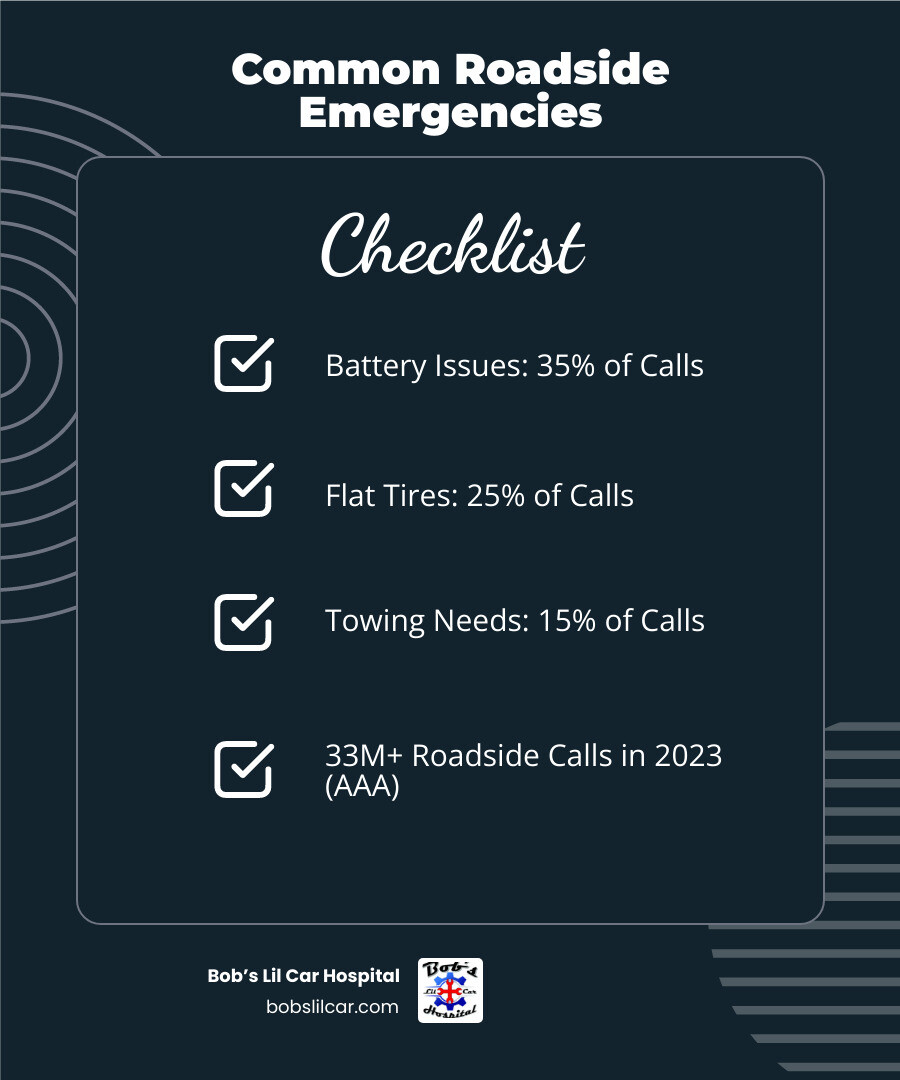
A dead battery is one of the most common reasons for roadside assistance calls (accounting for about 35% of them!). Jumper cables allow you to get a boost from another vehicle, while a portable jump starter means you don’t need a Good Samaritan.
Flashlight with Extra Batteries:
Breakdowns don’t always happen in broad daylight. A reliable light source is critical for assessing the situation, changing a tire, or simply staying visible.
First-Aid Kit:
Minor scrapes, cuts, or other injuries can occur, especially when working on a car. A basic first-aid kit is a must for any roadside emergency.
Reflective Triangles or Flares:
These are vital for making your vehicle visible to other drivers, especially at night or in poor weather conditions, significantly enhancing your safety.
Tire Inflator and Sealant:
For small punctures, a can of tire sealant can temporarily patch a flat, allowing you to drive to the nearest repair shop. A small air compressor can also be invaluable for slow leaks.
Basic Tool Kit:
A few essential tools, like a screwdriver set, pliers, an adjustable wrench, and a tire pressure gauge, can be surprisingly useful for minor adjustments or repairs.
Water and Non-Perishable Snacks:
If you’re stranded for a while, especially in hot or cold weather, staying hydrated and fed is important for comfort and maintaining focus.
Phone Charger/Power Bank:
Your phone is your lifeline to help. Ensure it stays charged with a car charger or a portable power bank.
Duct Tape: The ultimate fix-all! Duct tape can temporarily secure loose parts, patch hoses, or even hold a broken window.
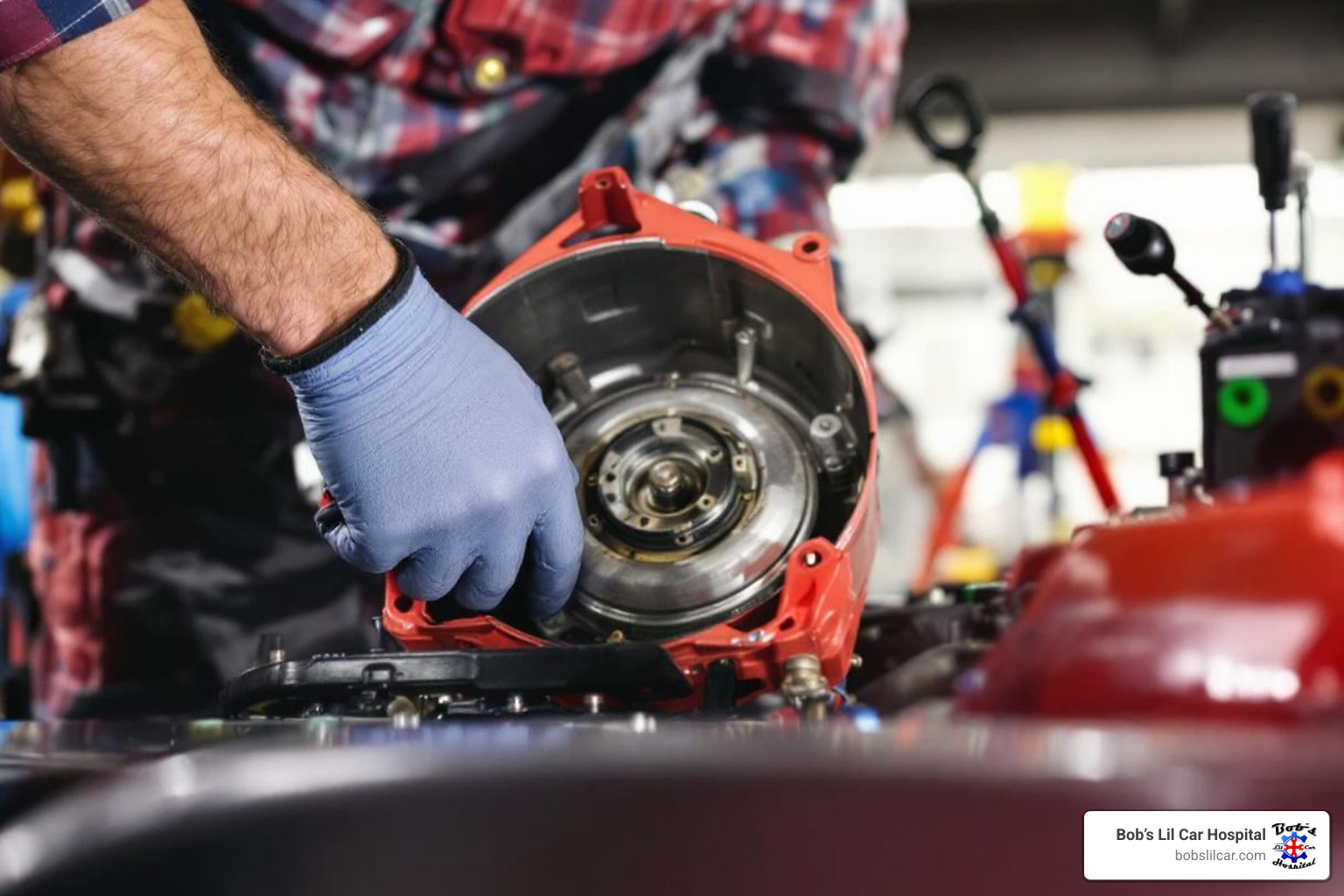
Having these items readily accessible in your vehicle means you’re prepared for many common roadside challenges.
2. Learn to Spot Trouble Before It Starts
At Bob’s Lil Car Hospital, we firmly believe that proactive prevention is the best defense against unexpected breakdowns and costly emergency auto repair. Regular maintenance isn’t just about keeping your car running; it’s about avoiding those stressful moments on the side of the road. By understanding your vehicle and listening to its subtle cues, you can often address minor issues before they escalate into major problems. For a deeper dive into general vehicle care, explore our resources on Car Maintenance.
Perform Regular Preventative Maintenance
One of the most effective ways to minimize the risk of an emergency auto repair is to stick to a consistent preventative maintenance schedule. This means more than just oil changes; it’s a holistic approach to your vehicle’s health.
- Fluid Checks (Oil, Coolant, Brake Fluid, Transmission Fluid): Regularly checking and topping off or replacing essential fluids keeps your engine and other critical systems lubricated and cool. Major fluid leaks are a clear sign of trouble and can quickly lead to overheating or system failure. Yellowish-green, pastel blue, or fluorescent orange fluids often indicate an antifreeze leak, while dark brown or black oily fluid points to an engine oil leak. Red oily fluid suggests a transmission or power-steering fluid leak.
- Tire Pressure and Tread Depth: Properly inflated tires wear evenly and are less prone to flats. Adequate tread depth ensures good traction and safety. Flat tires account for 25% of roadside assistance calls, making tire care a top priority.
- Battery Health and Terminal Cleaning: Your battery is the heart of your car’s electrical system. We can test your battery’s charge and health, and clean corroded terminals, which can often mimic a dead battery. A weak battery is the most common reason for a car not starting. Learn more about your car’s power source on our Batteries page.
- Brake Inspection: Healthy brakes are non-negotiable for safety. Regular inspection ensures pads, rotors, and fluid are in good condition, preventing brake failure or grinding sounds.
- Belts and Hoses Condition: These components are crucial for your engine’s operation. Cracks, fraying, or leaks in belts and hoses can lead to overheating or power steering issues.
By staying on top of these maintenance tasks, you’re not just prolonging your car’s life; you’re actively preventing the need for an unexpected emergency auto repair.
Recognize Your Car’s Warning Signs
Your car communicates with you, often through subtle sensory clues, long before a complete breakdown. Learning to interpret these signs can save you from a roadside emergency.
- Strange Noises:
- Squeals: Often indicate issues with belts.
- Clicks: Could be loose wheel covers or, more seriously, low oil.
- Screeches: A classic sign of worn brake pads.
- Rumbles: Frequently point to exhaust system problems.
- Pings/Knocks: Can suggest low-octane fuel or more severe engine issues like bearing problems.
- Clunks: Might signal problems with suspension components or exhaust hangers.
- Unusual Smells:
- Burned Toast: Often signals an electrical short.
- Rotten Eggs: Usually indicates a catalytic converter problem.
- Gasoline Vapors: Could mean a flooded engine or a fuel system leak.
- Burning Resin/Acrid Chemical Odor: May signal overheated brakes or clutch.
- Sweet, Steamy Odor: A tell-tale sign of a coolant leak.
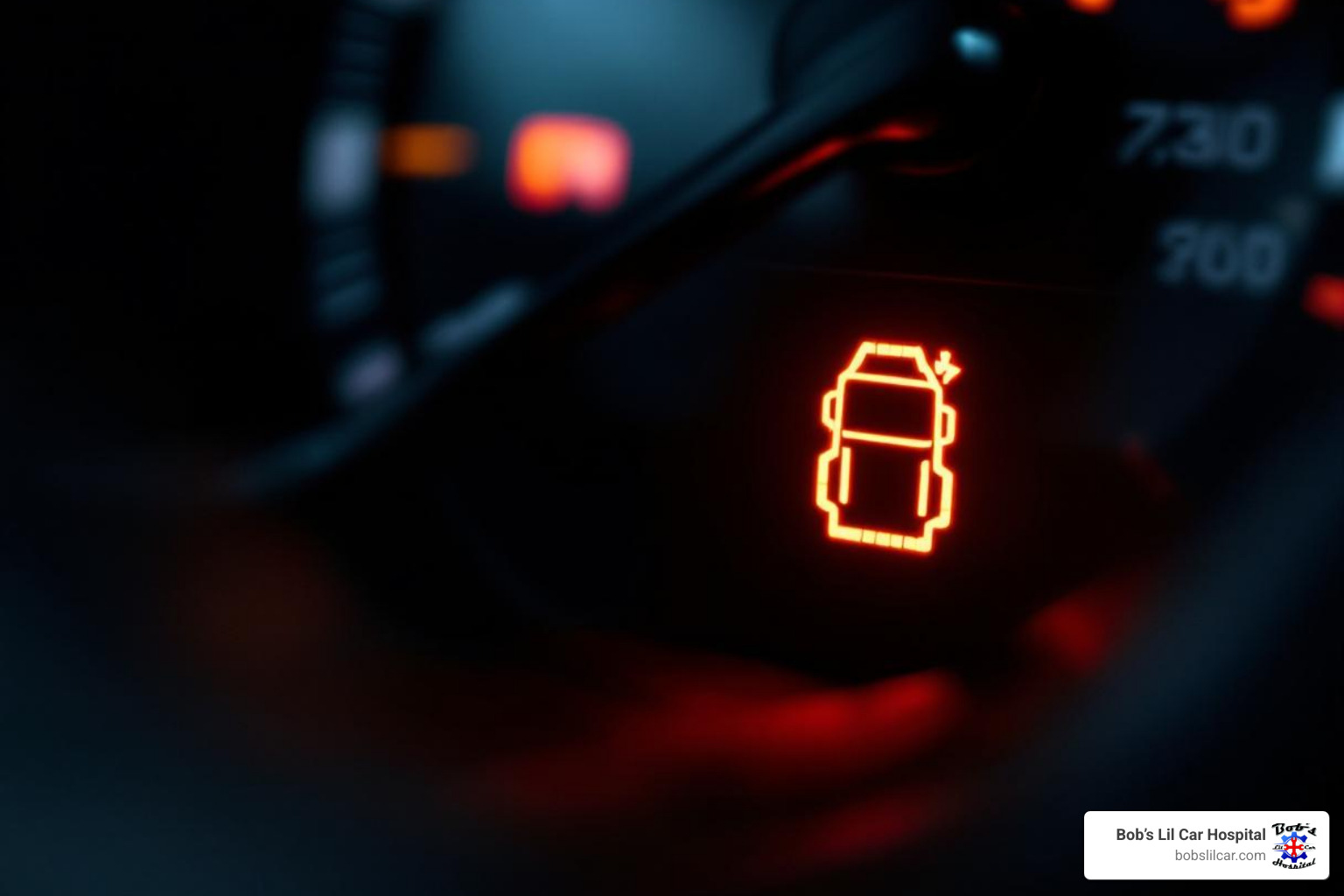
- Dashboard Warning Lights: Don’t ignore these! Lights like the “Check Engine” light, oil pressure warning, or battery light are your car’s way of telling you something is wrong. A flashing check engine light, in particular, indicates a serious problem that needs immediate attention. Our Warning Signs page offers more insights into these critical indicators.
- Changes in Vehicle Handling or Performance: If your car starts to wander, pull to one side, ride roughly, vibrate excessively, or experiences poor acceleration or rough idling, these are all indicators that something is amiss. Pay attention to how your car feels when you drive it normally, and any deviation should prompt an inspection.
Paying attention to these sensory cues and warning lights allows us to catch potential problems early, often preventing a costly and inconvenient emergency auto repair.
3. Master the Breakdown: Your Step-by-Step Action Plan
Even with the best preventative maintenance, unexpected breakdowns can still happen. When they do, the key is to stay calm, prioritize safety, and make smart decisions. We understand how unnerving these moments can be, which is why we’ve outlined a clear action plan to help you steer through it.
Step 1: Get to Safety
Your safety, and the safety of your passengers, is always the top priority.
- Pull Over to a Safe Location: As soon as you notice a problem, if your car is still operational, try to steer it to the side of the road, a parking lot, or an emergency lane. The further off the main thoroughfare, the better.
- Turn On Hazard Lights: This immediately alerts other drivers to your situation, especially crucial at night or in low visibility conditions.
- Engage Parking Brake: Once stopped, apply your parking brake to prevent any accidental rolling.
- Assess Your Surroundings: Before exiting your vehicle, check for oncoming traffic. If you’re on a busy highway, it’s often safest to remain inside your vehicle with your seatbelt on until help arrives. If you must exit, do so on the side furthest from traffic.
- Call 911 if Necessary: If you notice smoke, flames, or if you’re in a dangerous situation (e.g., stranded in a high-traffic area with no safe place to pull over), call emergency services immediately.
Step 2: Assess the Situation
Once you’re safe, take a moment to assess what might be wrong. You don’t need to be a mechanic, but understanding the basics can help you describe the problem to us.
- Identify the Problem (if possible): Is it a flat tire? Is your engine overheating (temperature gauge high, steam from under the hood)? Is your car simply not starting because of a Dead Battery?
- Decide if it’s a DIY Fix: For very simple issues, you might be able to handle it yourself. For instance, if it’s a dead battery, you might be able to jumpstart it with cables or a portable starter. We even have a guide on How to Jumpstart Your Car. However, for anything more complex or if you’re unsure, it’s always best to call a professional.
Step 3: Call for Professional Help
This is where we come in! Having the right information ready will make the process much smoother and faster.
- Information to Have Ready:
- Your Precise Location: Be as specific as possible (street address, nearest intersection, highway mile marker, or even landmarks). This is crucial for our team or a tow truck to reach you quickly.
- Vehicle Make/Model/Year: This helps us understand your car’s specific needs.
- Description of the Problem: What happened? What noises did you hear? What lights are on? Even a brief description is helpful.
- Who to Call: For trusted emergency auto repair and roadside assistance services in Kelso, Longview, Kalama, and throughout Southwest Washington, we encourage you to Call Bob’s Lil Car Hospital. We are here to provide exceptional customer service and genuine care, turning stressful car issues into pleasant experiences.
4. Find Trustworthy Emergency Auto Repair Services Now
Finding a reliable mechanic before you’re stranded on the side of the road is one of the smartest moves you can make. When you’re in an emergency, you’re vulnerable and under pressure, which can lead to rushed decisions or, worse, falling victim to unscrupulous repair shops. Building a relationship with a trusted shop like Bob’s Lil Car Hospital ensures you have a go-to team when an emergency auto repair situation arises. For general information on vehicle care and repair, check out our Auto Repair section.
How to Find a Reliable Mechanic
We know that trust is earned, and we strive to earn yours every day. Here’s how you can find a mechanic you can depend on:
- Ask for Recommendations: Word-of-mouth is powerful. Ask friends, family, and colleagues in Kelso, Longview, and the surrounding Southwest Washington areas who they trust with their vehicles. Personal experiences often provide the best insights.
- Check Online Reviews: Websites like Google Reviews can offer a broad perspective on a shop’s reputation. Look for consistent positive feedback regarding professionalism, honesty, and quality of work.
- Look for Certifications: Reputable shops often display certifications from organizations like ASE (Automotive Service Excellence). When you Look for shops with Automotive Service Excellence (ASE) certified technicians, you’re choosing a team whose members have met rigorous standards of knowledge and competence in specific technical areas. This indicates a commitment to expertise and ongoing training.
- Check for Complaints: Before committing to a new shop, you can check with your local consumer protection agency for any records of complaints. While Bob’s Lil Car Hospital prides itself on our clean record and satisfied customers, this is a good general practice.
When choosing a shop, also consider if they have experience with your specific vehicle make and model. Our ASE-certified technicians at Bob’s Lil Car Hospital are trained on a wide range of domestic and import vehicles, ensuring we have the expertise to handle your specific needs.
Know Your Consumer Rights
As a consumer, you have certain rights when dealing with auto repair shops. Understanding these rights can protect you from misunderstandings or unfair practices, especially during a stressful emergency auto repair.
- Right to a Written Estimate: Always request a detailed written estimate before any work begins. This estimate should clearly outline the condition to be repaired, the parts needed, and the anticipated labor charges. This protects you from unexpected costs.
- Right to Approve Work that Exceeds the Estimate: State laws often require repair shops to contact you for approval if the repair costs are expected to exceed a specified amount (e.g., 10-25% over the original estimate). Ensure the shop agrees to this before you authorize any work.
- Right to Have Your Old Parts Returned: Unless parts are needed for a warranty claim or are too hazardous to return, you have the right to inspect or keep your old parts. This provides transparency about what was replaced.
- Warranty on Repairs: Inquire about the warranty on parts and labor for the repairs performed. While there’s no standard warranty, reputable shops like ours will stand behind their work. Get any warranty information in writing.
Being informed is your best defense. For a comprehensive overview of your rights, you can Learn more about your rights from the FTC.
5. Understand the Services, Costs, and Coverages
Navigating emergency auto repair can seem daunting, especially when you’re caught off guard. However, understanding the types of services available, what they typically cost, and how your warranties apply can significantly ease the burden. At Bob’s Lil Car Hospital, we prioritize transparency and strive to ensure you’re fully informed every step of the way.
Types of Emergency Auto Repair Services
When your vehicle breaks down, different services might be needed depending on the situation:
- Roadside Assistance: This typically covers immediate, on-the-spot services for common issues that can get you back on the road quickly. This can include battery boosts, flat tire changes, fuel delivery, or lockout services. For more complex issues, roadside assistance often includes towing.
- In-Shop Emergency Repairs: For problems that can’t be fixed at the roadside, your vehicle will need to be brought to a full-service repair facility like Bob’s Lil Car Hospital. Here, our certified technicians can perform diagnostics and more extensive repairs for issues like engine problems, transmission failures, or major brake system overhauls.
- Towing Services: If your vehicle is unsafe to drive or cannot be repaired on the spot, towing is essential. We can coordinate trusted local towing services to ensure your vehicle is transported safely to our facility in Southwest Washington. The average cost of a tow truck service can range from $100 to $250, depending on distance and time of day, so it’s good to be prepared.
Typical Costs and Getting Estimates for Emergency Auto Repair
The costs associated with emergency auto repair can vary widely based on the service needed, the time of day, and the complexity of the repair.
- Call-Out Fees: Some roadside assistance providers or 24/7 emergency services may charge a higher call-out fee for immediate or after-hours assistance. This contributes to the average cost of a roadside assistance call, which can range from $75 to $150, not including the actual repair cost.
- Towing Costs: As mentioned, towing can add significantly to the overall expense, especially for longer distances.
- Diagnostic Charges: Before any repair, especially for complex issues, diagnostic testing is often required to accurately identify the problem. These are typically separate charges.
- Labor Rates: These vary by shop and location. Our labor rates are competitive and transparent.
Always request a written estimate before any work begins. This is crucial for understanding the full scope and cost of the repair. We believe in honest, transparent pricing at Bob’s Lil Car Hospital. While emergency auto repair can sometimes be more expensive due to urgency, addressing issues promptly can help you avoid even more costly breakdowns down the line. A small repair now can prevent a catastrophic failure later.
How Warranties and Service Contracts Apply to Emergency Auto Repair
Understanding your coverage can save you money and headaches during an emergency.
- Manufacturer Warranties: New vehicles typically come with a manufacturer’s warranty that covers certain parts and labor for a specified period or mileage. If an emergency repair falls under this warranty, the cost may be covered. Always check your vehicle’s warranty details.
- Extended Service Contracts: These are optional contracts purchased from the dealer or a third-party provider that extend coverage beyond the manufacturer’s warranty. They can be invaluable for unexpected repairs, but it’s important to understand their specific terms, deductibles, and claim procedures.
- Repair Shop Guarantees on Parts and Labor: Reputable repair shops, like Bob’s Lil Car Hospital, stand behind their work. We offer guarantees on the parts we install and the labor we perform. Always get this information in writing.
- Keeping Repair Records: Maintaining detailed records of all your vehicle’s maintenance and repairs is essential. These records can prove compliance with warranty requirements, support insurance claims, and provide a history of your vehicle’s health.
Knowing your rights and coverages provides a crucial layer of financial preparedness for any emergency auto repair you might encounter.
Frequently Asked Questions about Emergency Auto Repair
What is the most common reason for a roadside emergency?
Battery issues are the #1 cause, accounting for about 35% of all roadside assistance calls according to industry data. This is why regular battery checks and having a Jumpstart plan are so important.
Can all emergency repairs be handled on the spot?
Many common issues like battery replacement, flat tires, and minor repairs can be handled roadside. For more complex problems, your vehicle may need to be towed to Bob’s Lil Car Hospital for full-service repairs.
Is emergency auto repair always more expensive?
It can be, especially if it involves after-hours call-out fees or long-distance towing. However, Bob’s Lil Car Hospital maintains fair pricing and transparent estimates. Always ask for a written estimate before authorizing any work to avoid surprise charges.
Conclusion: Turn a Crisis into a Manageable Inconvenience
Facing a car breakdown can be a stressful and frustrating experience, but it doesn’t have to derail your entire day. By taking these five proactive steps—assembling an emergency kit, staying on top of preventative maintenance, recognizing warning signs, mastering your breakdown action plan, and understanding service options and costs—you empower yourself to handle almost anything the road throws your way. Preparation is power, and it truly transforms a potential crisis into a manageable inconvenience.
At Bob’s Lil Car Hospital, we understand how stressful breakdowns can be. That’s why our mission is to provide exceptional customer service, genuine care, and professionalism, turning stressful car issues into pleasant experiences for our community in Kelso, Longview, Kalama, and throughout Southwest Washington. We’re here to help you stay safe and get back on the road with confidence.
If you’re facing a car issue, have questions about your vehicle’s health, or simply want to establish a relationship with a trusted mechanic before you need one, don’t hesitate. Call us today to schedule an appointment. We’re ready to be your partner in preventative care and your dependable ally in emergency auto repair.