

When Your Transmission Acts Up, Here’s Where to Start
If you’re searching for local transmission shops near me, here are the key things to know right away:
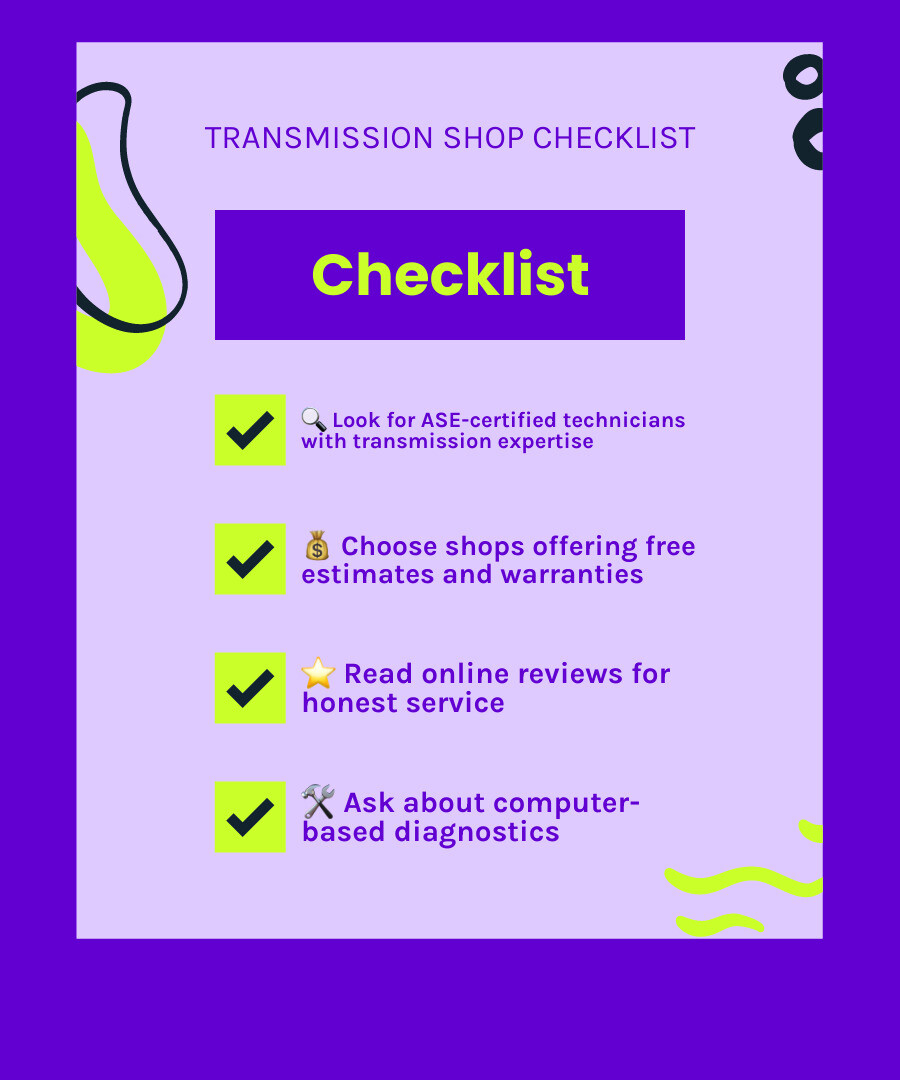
- Look for ASE-certified technicians with specialized transmission experience
- Choose a shop that offers free estimates and written warranties
- Read online reviews to confirm honest, transparent service
- Ask about diagnostics — modern transmissions need computer-based tools to diagnose correctly
- Act fast — small transmission problems escalate quickly and become far more serious
Transmission trouble hits at the worst times. You’re driving to work, dropping the kids off, or heading out on a family trip — and suddenly something feels wrong. Maybe the gears are slipping. Maybe there’s a burning smell you can’t shake. Maybe the car just hesitates when you hit the gas. These moments create instant stress for any driver. You need answers quickly.
Why Your Transmission Matters
Here’s the hard truth: your transmission is one of the most complex and critical systems in your vehicle. It controls how power moves from your engine to your wheels. When it starts to fail, everything suffers — acceleration, fuel efficiency, and your peace of mind. It acts as the bridge between the engine and the wheels. Without it, your car is just a heavy metal box. It manages torque and speed to keep you moving safely.
The good news? Technicians can fix most transmission problems without a full replacement. This is especially true when you catch them early and get to the right shop. Manufacturers build transmissions to last well over 100,000 miles — but only with proper care and timely repairs.
This guide walks you through exactly what to look for, what to avoid, and how to find a shop you can actually trust. I’m William Dickinson, the webmaster behind Bob’s Lil Car Hospital. I’ve spent more than 20 years helping people connect with reliable auto services online. This includes helping drivers find dependable local transmission shops near me before a small problem turns into a major mechanical failure. Let’s make sure you know exactly what to look for.
Local transmission shops near me glossary:
Recognizing Warning Signs of Transmission Failure
Identifying transmission troubles early can save your vehicle from a total breakdown. Most systems give off subtle hints before they quit entirely. You might notice a slight hesitation when you shift from “Park” to “Drive.” This delayed engagement is a classic red flag.
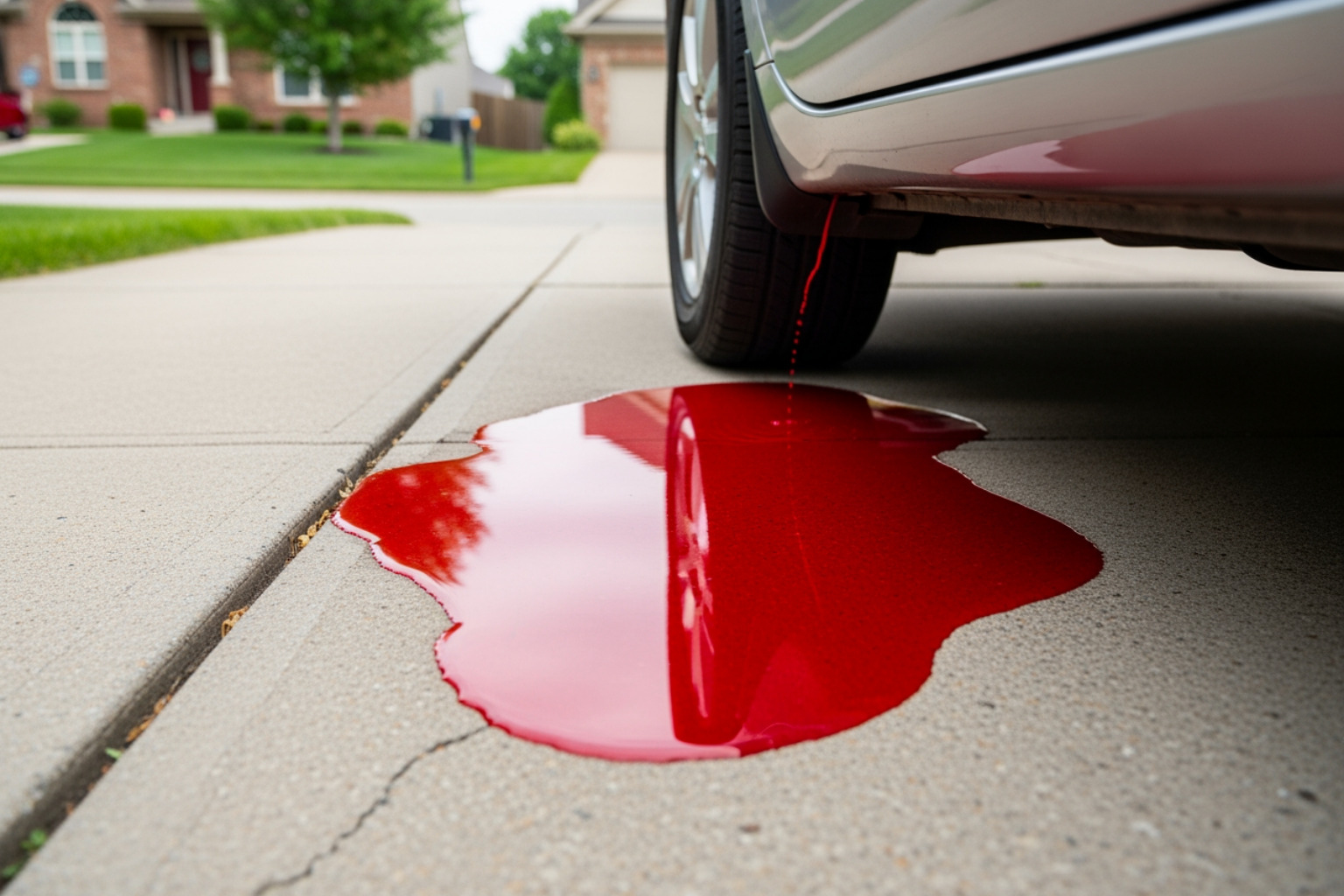
Fluid leaks are perhaps the most visible sign of trouble. Transmission fluid is typically bright red or dark brown. If you see a puddle under your car in your Longview or Kelso driveway, do not ignore it. Low fluid levels lead to overheating and friction, which destroy internal gears quickly.
You should also listen to your car. Strange noises like grinding, whining, or clunking during gear shifts indicate mechanical wear. If your engine revs high but the car doesn’t speed up, your gears are likely slipping. This is a dangerous situation that requires immediate professional attention.
Finally, watch for the “Check Engine” light. Modern vehicles use sensors to monitor transmission performance. A burning smell is another urgent warning. It often means your fluid is scorched or a component is overheating. When these signs appear, searching for local transmission shops near me becomes a top priority.
Why Specialized Local Transmission Shops Near Me Are Essential
Many people take their cars to a general mechanic for every issue. While general shops are great for oil changes, the tag gear-box is a different beast entirely. It is the most complex part of your powertrain. It contains hydraulic lines, computer sensors, and intricate planetary gearsets.
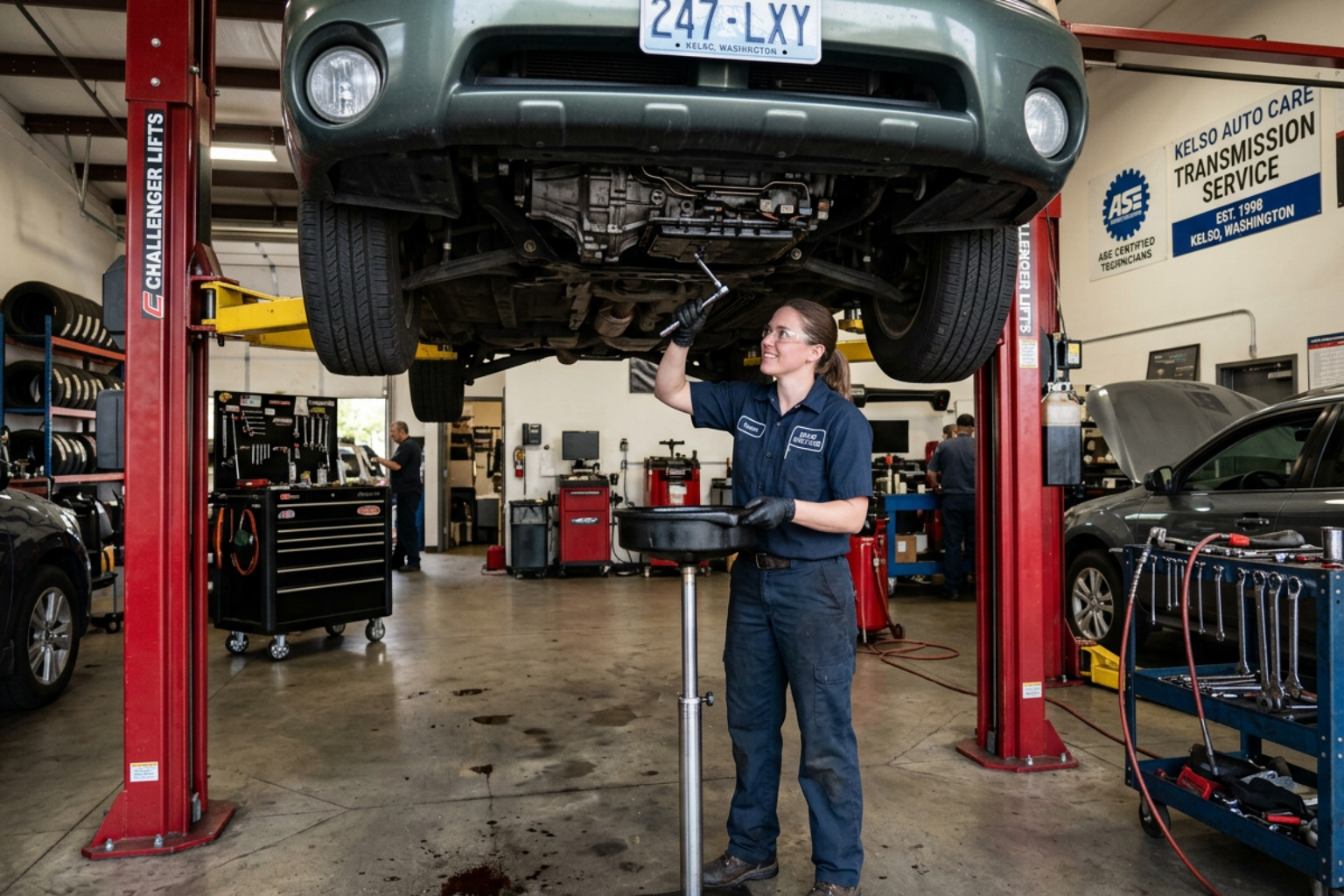
A specialized shop focuses specifically on these complexities. We understand the difference between “soft” parts like seals and gaskets and “hard” parts like drums and gears. Specialized technicians have seen thousands of transmissions. They can often identify a problem by sound alone before even opening the hood. Look for ASE-certified technicians who undergo rigorous testing to prove their knowledge. This certification ensures the person working on your car understands modern automotive technology.
General shops might suggest a full replacement because they lack the tools to perform a deep repair. However, many issues are actually fixable. A specialist can often save you time by pinpointing a specific sensor or solenoid failure. This expertise ensures your vehicle returns to the road safely and efficiently.
Advanced Diagnostics at Local Transmission Shops Near Me
Modern transmissions are essentially rolling computers. They rely on electronic controls to decide exactly when to shift. Because of this, a physical inspection isn’t enough anymore. You need a shop that uses high-end diagnostic scanners to talk to your car’s computer. These tools provide a window into the “brain” of your vehicle.
These tools read error codes that tell us if a sensor is misreading RPMs or if a pressure switch is failing. Accurate troubleshooting prevents “parts cannon” repairs where mechanics just swap parts until something works. Certified technicians use these data points to calibrate your system perfectly.
Finding Convenience at Local Transmission Shops Near Me
We know that being without a car is a massive headache. When looking for local transmission shops near me, convenience is a major factor. You want a shop that respects your schedule. This is why we prioritize clear communication and flexible drop-off times for our neighbors in Woodland and Kalama.
Quality shops often provide courtesy services to keep your life moving. Whether it is a shuttle ride to work or a loaner car, these extras matter. Proximity is also key. Having a reliable shop nearby means you won’t have to pay for a long-distance tow if your transmission finally gives out.
Qualities of a Trustworthy Repair Facility
Trust is the most important component of any repair. A reliable shop will always provide a transparent, upfront estimate before any work begins. They should explain the “why” behind every recommendation. If a mechanic can’t explain the problem in simple terms, they might not understand it themselves.
| Feature | Transmission Repair | Transmission Rebuild |
|---|---|---|
| Scope | Fixes specific broken parts | Replaces all wear items |
| Time | Usually faster | Takes several days |
| Parts | Only what is broken | New seals, gaskets, bands |
| Best For | Minor leaks or sensor issues | High mileage or major failure |
Honesty is paramount in our industry. Some shops might recommend a full rebuild when a simple category transmissionservice or fluid flush is all you need. Look for a facility that values long-term relationships over a quick sale. A clean, professional shop floor is usually a good sign of a well-run business.
Frequently Asked Questions about Transmission Repair
How long do vehicle transmissions usually last?
Transmissions are incredibly durable. Most are designed to last well over 100,000 miles. Some even reach 200,000 miles with perfect maintenance. The secret to longevity is regular fluid checks. We recommend checking your fluid every time you get an oil change. If the fluid stays clean and full, the transmission stays happy.
Why are warranties essential for transmission services?
A warranty is a sign of confidence. If a shop stands behind their work, they will offer a guarantee on both parts and labor. Transmission repairs are significant undertakings. A nationwide warranty gives you peace of mind, especially if you travel outside of Southwest Washington. It ensures that if a part fails prematurely, you aren’t stuck dealing with the same job twice.
Should I repair or replace my failing transmission?
This depends on the age of your vehicle and the extent of the damage. If your car is relatively new, a repair or rebuild is almost always the better choice. It preserves the value of the vehicle. However, if the “hard parts” are destroyed, a remanufactured unit might be more practical. We always provide expert advice to help you make the best decision for your vehicle.
How often should I check my transmission fluid?
We recommend checking the fluid level at every oil change. Most manufacturers suggest a full fluid service every 30,000 to 60,000 miles. However, if you tow heavy loads or drive in stop-and-go traffic in Longview, you might need more frequent checks. Fresh fluid prevents heat buildup. Heat is the number one enemy of internal transmission components.
Conclusion
Finding the right local transmission shops near me doesn’t have to be a nightmare. By watching for warning signs and choosing a specialized, honest facility, you can get back on the road with confidence. At Bob’s Lil Car Hospital, we pride ourselves on exceptional service and genuine care for our community.
We serve drivers across Lexington, Castle Rock, and the surrounding areas with professionalism and technical expertise. We turn stressful car problems into pleasant experiences. Don’t let a small shiver in your gearshift turn into a major breakdown.
Visit our services page to see how we can help. Call us today to ask a question about your vehicle or schedule a diagnostic check!