

Auto Transmission Specialist: 7 Best Experts
Is Your Car Speaking a Different Language? Signs You Need a Specialist
Finding the right auto transmission specialist can feel overwhelming when your car starts acting up. Here’s what to look for immediately:
Key Signs You Need a Transmission Specialist:
- Gears slipping or delayed shifting
- Whining, clunking, or humming noises
- Burning smell or leaking red fluid
- Check engine light illuminated
- Rough or jerky gear changes
What a Specialist Should Offer:
- Free diagnostic road test and inspection
- Clear explanation of the problem
- Transparent pricing before work begins
- Nationwide warranty on repairs
- Experience with your vehicle type
Your transmission is one of the most complex parts of your car. It uses hydraulics, electronics, sensors, and computer systems all working together. That’s why specialized expertise matters—what looks like a major transmission failure might actually be a faulty sensor or computer chip.
Modern automatic transmissions are incredibly sophisticated. Traditional automatics use planetary gear sets, while CVTs use belt and pulley systems for smoother acceleration. Dual-clutch transmissions shift faster for better performance. Each type requires different diagnostic approaches and repair techniques.
According to industry data, catching problems early can save you thousands on transmission repair. Regular maintenance—like fluid changes every 12,000 to 25,000 miles (approximately 20,000 to 40,000 kilometres)—can significantly extend your transmission’s life.
The research shows that specialized transmission shops often have higher customer satisfaction rates than general repair shops. Why? They have the focused expertise, specialized diagnostic equipment, and experience to accurately identify problems without unnecessary work.
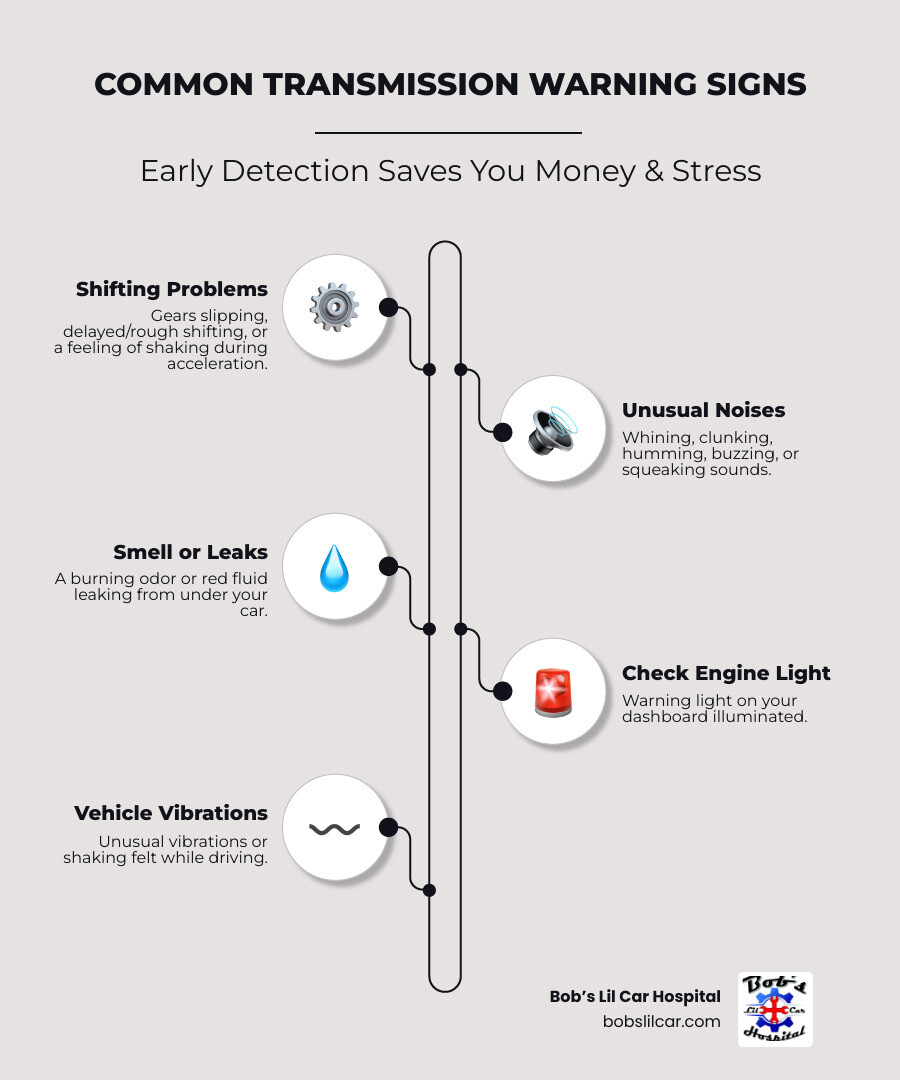
When your car starts giving you subtle hints or even shouting loud warnings, paying attention can make all the difference. Many vehicle owners tend to ignore unusual car behavior, hoping it will just go away. But when it comes to your transmission, that’s rarely the case. We’ve seen it time and again here at Bob’s Lil Car Hospital in Southwest Washington, from Kelso to Longview, Kalama, Castle Rock, and Toutle – early detection is key to preventing minor issues from becoming major headaches.
Common signs that your vehicle’s transmission needs attention include a warning light on your dashboard, delayed or rough shifting between gears, a feeling of shaking or slipping during acceleration, a burning odor, and any humming, buzzing, or squeaking noises. You might also notice vibrating while driving or fluid leaks under your car. A healthy automatic transmission should shift seamlessly, transferring power from the engine to the wheels without you even noticing. When it doesn’t, it’s time to call in the experts.
For more information about general auto repair, visit our Auto Repair section.
When to Stop Driving Immediately
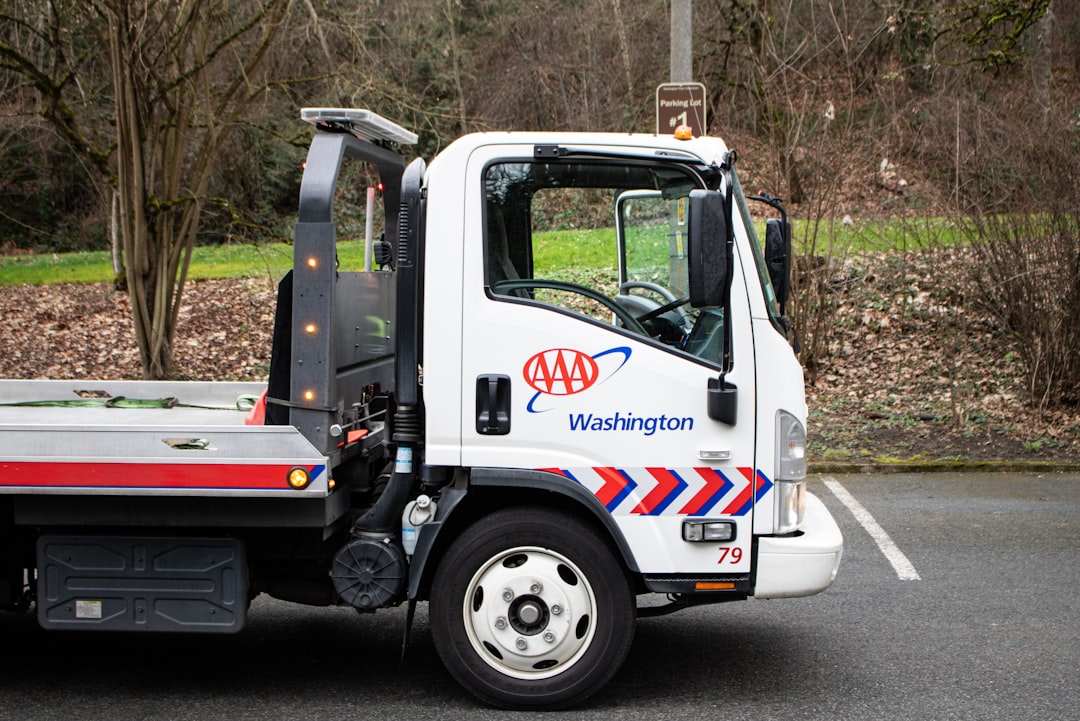
While many transmission issues can be addressed if caught early, some warning signs demand immediate action. If you experience any of the following, it’s best to pull over safely and call for a tow:
- Grinding noises during shifts: This often indicates metal-on-metal contact within the transmission, suggesting severe internal damage. Continuing to drive could lead to catastrophic failure.
- Car won’t move: If your vehicle is in gear but won’t move forward or backward, the transmission has likely failed completely.
- Major fluid leak: A large puddle of reddish fluid under your car, especially if it’s rapidly expanding, means your transmission is losing its vital fluid. Without proper lubrication and hydraulic pressure, the transmission will quickly overheat and seize.
- Flashing check engine light: While a solid check engine light can indicate various issues, a flashing light often signals a severe problem that could cause significant damage if ignored. In the case of transmissions, this might mean a critical sensor failure or an overheating condition that needs immediate attention.
Ignoring these critical signs is like ignoring a fire alarm – it’s just asking for trouble.
The Dangers of Ignoring the Signs
“Oh, it’s just a little hesitation,” you might think. But those “little” hesitations can quickly escalate. The most significant danger of ignoring transmission problems is catastrophic failure. What might have been a relatively minor repair, like replacing a solenoid or topping off fluid, could turn into a complete transmission rebuild or replacement.
This leads directly to increased repair costs. As one of our sources highlighted, the key to minimizing repair costs is to get problems checked as soon as you notice them. A small service or repair in the early stages could save you thousands compared to waiting until the transmission completely gives out. Imagine a $500 fix turning into a $7,100 replacement just because you delayed!
Beyond the financial strain, there are serious safety risks. Driving with a failing transmission can be incredibly nerve-wracking. Your car could suddenly slip, flare, or lose power while you’re on the road, creating a dangerous situation for you and other drivers. This can be very worrying, distracting, and stressful. Finally, ignoring the signs almost guarantees getting stranded at the most inconvenient time, potentially far from home or a repair shop. We want to help you avoid that.
Decoding Modern Drivetrains: Why Specialization Matters
Transmission technology has come a long way from the simple gearboxes of yesteryear. The global automotive transmission market was valued at USD 125.6 billion in 2022 and is projected to reach USD 178.9 billion by 2030, showing just how vital and evolving this component is. Today, automatic transmissions account for over 80% of the market share, and the demand for advanced technologies like Continuously Variable Transmissions (CVTs) and Dual-Clutch Transmissions (DCTs) is rapidly increasing due to their fuel efficiency and performance benefits.
Modern automatic transmissions are incredibly complex, combining hydraulics, electronics, and sophisticated computer systems. What might seem like a transmission problem could actually be an issue with a faulty computer chip, an intermittent switch, or even a leaking vacuum line. That’s why specialized expertise is crucial. An auto transmission specialist doesn’t just fix parts; they understand the intricate dance between all these components.
Traditional Automatic vs. CVT: What’s the Difference?
Let’s explain some of these modern marvels:
- Traditional Automatic Transmissions: These are what most people picture. They use a complex series of planetary gear sets and a torque converter to transfer engine power to the wheels. They have a set number of gears (e.g., 4-speed, 6-speed, 8-speed) that the transmission shifts through, providing a familiar “kick” as it changes. They’re known for their robust design and smooth, comfortable driving experience, suitable for everyday use.
- Continuously Variable Transmissions (CVTs): A CVT is a type of automatic transmission, but it’s fundamentally different because it has no gears at all. Instead, it uses a belt and pulley system to provide an unlimited range of gear ratios. This allows the engine to always operate at its most efficient RPM, leading to incredibly seamless shifting feel (often described as a single, continuous acceleration) and significant fuel economy benefits. While they have fewer moving parts, CVTs can be complex and difficult to diagnose and repair because they’re a newer technology that requires specialized training and diagnostic equipment.
- Dual-Clutch Transmissions (DCTs): Also known as Direct-Shift Gearboxes (DSGs), these transmissions are a hybrid of manual and automatic. They use two clutches—one for odd gears and one for even—to allow for faster and smoother gear changes. DCTs are often found in performance cars because they improve both performance and efficiency, offering quicker, more precise shifts.
Here’s a quick comparison:
| Feature | Traditional Automatic | CVT |
|---|---|---|
| Driving Feel | Distinct shifts | Seamless, continuous |
| Fuel Efficiency | Good | Excellent |
| Complexity | High | High (different components) |
For a deeper dive into how these technologies work, you can explore A guide to transmission technology.
The Rise of Computer-Controlled Transmissions
Gone are the days when transmissions were purely mechanical marvels. Today, they are deeply integrated into your vehicle’s overall computer system. This means that an array of sensors constantly monitor everything from fluid temperature and pressure to wheel speed and throttle position. These sensors feed data to the Transmission Control Module (TCM), which is essentially the transmission’s brain. The TCM then uses this information to activate solenoids, which are electronic valves that control the flow of hydraulic fluid, engaging and disengaging clutches and bands to facilitate gear changes.
This intricate network of electronics means that even a small fault in a sensor or solenoid can mimic a complete transmission failure. A less experienced mechanic might misdiagnose the issue as a full transmission replacement, leading to unnecessary and costly repairs. This complexity is why complex diagnostics are essential, requiring specialized scanning tools and a deep understanding of automotive computer systems.
Keeping your car running strong means understanding these complexities. You can learn more at Keeping Your Car Running Strong.
What to Expect from a Professional Auto Transmission Specialist
When your transmission needs attention, you want to know you’re in capable hands. At Bob’s Lil Car Hospital, we believe in transparency and expertise. Here’s what you should expect from a top-notch auto transmission specialist in Kelso, Longview, Kalama, Castle Rock, Toutle, and throughout Southwest Washington:
How a Top Auto Transmission Specialist Diagnoses Problems
Accurate diagnosis is the cornerstone of effective and affordable transmission repair. As experts, we don’t just guess; we investigate. Here’s our comprehensive approach:
- Road Test: The first step is always a thorough road test. This allows us to experience the symptoms – feeling how the transmission shifts, listening for unusual noises, and observing how the vehicle responds under various driving conditions.
- Computer Diagnostics: Modern vehicles are equipped with sophisticated onboard computers. We connect specialized diagnostic scanning tools to your vehicle’s onboard computer to check for any Diagnostic Trouble Codes (DTCs) stored in the Transmission Control Module (TCM) or Engine Control Unit (ECU). These codes provide crucial clues about potential electronic or sensor-related issues.
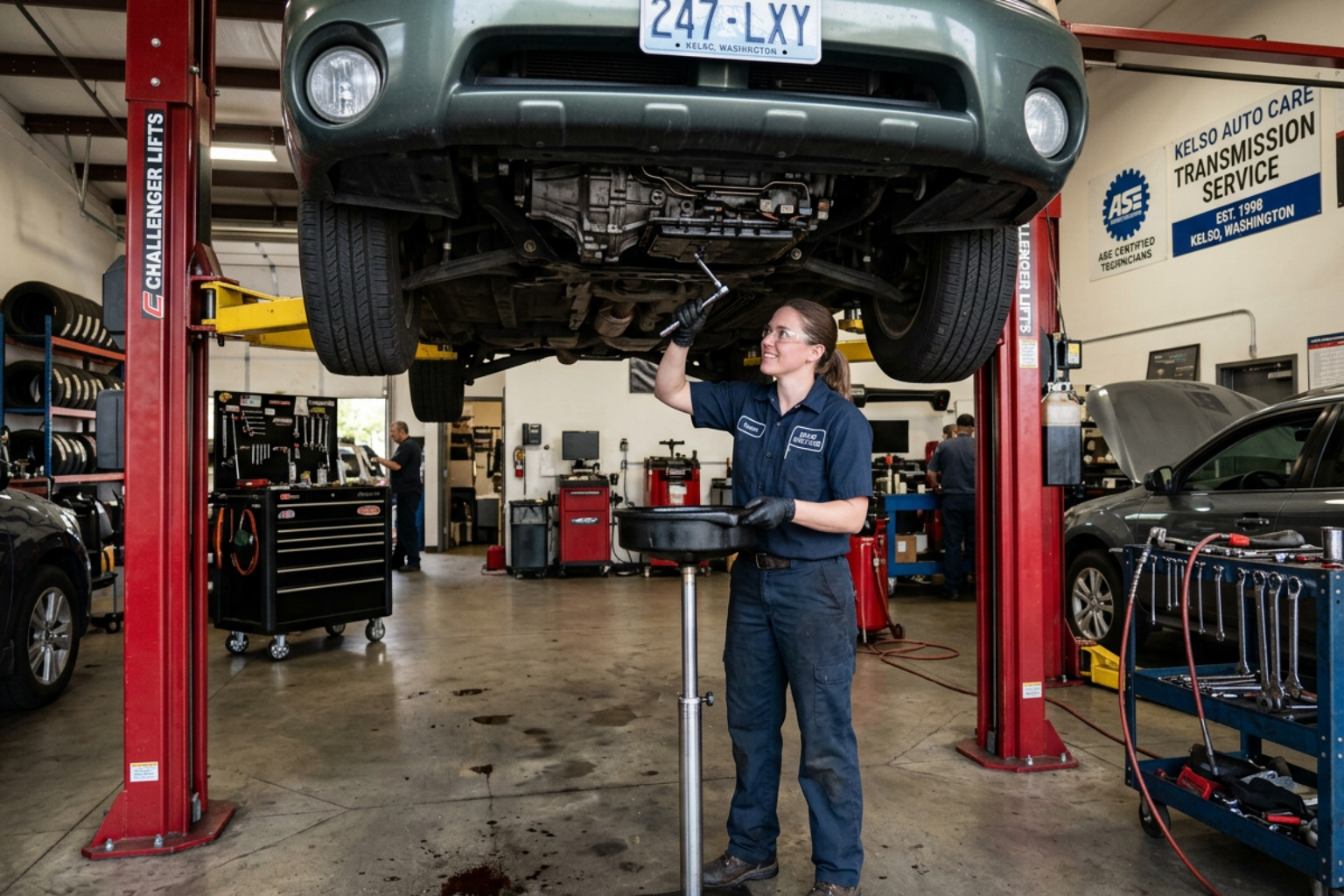
- Visual Inspection: We put your vehicle on a lift for a meticulous visual inspection. We check for fluid leaks, inspect the transmission pan for metal shavings (a sign of internal wear), examine external components like linkages, cables, and electrical connections, and look for any physical damage.
- Fluid Analysis: The condition and level of your transmission fluid tell us a lot. We check for proper fluid level, color (burnt fluid indicates overheating), odor, and the presence of any contaminants.
- Hydraulic Pressure Tests: For some automatic transmissions, a hydraulic pressure test can help identify issues with the internal pump or valve body, which are critical for proper shifting.
Our goal is to accurately differentiate between an actual transmission problem and issues caused by other vehicle systems, such as a faulty computer chip, an intermittent switch, or a leaking vacuum line. This expert diagnosis saves you money by ensuring we only fix what truly needs fixing.

You can find more information about our services on our Services Page.
What Factors Influence Transmission Repair Costs?
The cost of transmission repair can vary significantly, ranging from $1,500 to $3,500 on average, though complex rebuilds can exceed $3,000. Several factors contribute to this range:
- Vehicle Make and Model: Luxury, foreign, or high-performance vehicles often have more complex and expensive transmissions, leading to higher repair costs. Parts for these vehicles can be harder to source and pricier.
- Severity of Damage: A minor issue, like a faulty sensor or a simple fluid flush, will naturally be far less expensive than a full transmission rebuild or replacement. Catching problems early is crucial for minimizing costs.
- Repair vs. Rebuild vs. Replacement:
- Repair: This involves fixing a specific component, like a solenoid or a gasket. This is usually the least expensive option.
- Rebuild: This means removing the transmission, disassembling it, replacing worn or damaged parts (like clutches, bands, and seals), and reassembling it to factory specifications. This is a labor-intensive process.
- Replacement: This involves installing a completely new or remanufactured transmission. Remanufactured transmissions are often a good value, as they are rebuilt to OEM or better standards and typically come with excellent warranties.
- Parts and Labor Rates: The cost of parts and the hourly labor rate of the shop will also play a role. Specialized transmission work requires highly skilled technicians, which is reflected in labor costs.
- Warranty Options: A comprehensive warranty, while offering peace of mind, might sometimes be factored into the overall cost. However, we believe it’s an essential investment in your repair.
At Bob’s Lil Car Hospital, we always provide a detailed estimate and explain your options clearly before any work begins, ensuring you understand the costs involved.
7 Qualities of the Best Auto Transmission Specialist
Choosing the right auto transmission specialist is crucial. In Southwest Washington, from Kelso to Longview, Kalama, Castle Rock, and Toutle, we believe these qualities set the best apart:
- Certifications (ATRA or equivalent): Look for shops affiliated with reputable organizations like the Automatic Transmission Rebuilders Association (ATRA). ATRA is the world’s largest trade organization of transmission rebuilders and specialists, signifying a commitment to industry standards and ongoing training.
- Years of Experience: Transmission work is not for novices. Look for technicians with decades of hands-on experience in diagnosing and repairing various transmission types. Our owner, for example, has personally rebuilt thousands of transmissions over his career, bringing unparalleled expertise to every job.
- Positive Customer Reviews: What do others say? Online reviews and word-of-mouth referrals are gold. Look for consistent praise regarding honesty, professionalism, quality of work, and customer service.
- Transparent Pricing: You should receive a clear, detailed estimate before any work begins. A reputable shop will explain the problem, the proposed solution, and all associated costs without pressure.
- Comprehensive Warranties: A good specialist stands behind their work. Look for warranties that cover both parts and labor, with a reasonable duration (e.g., 18 months/18,000 miles or more). A nationwide warranty can offer extra peace of mind, especially if you travel.
- Specialized Equipment: Modern transmissions require specialized diagnostic tools and equipment that general repair shops often don’t possess. A dedicated auto transmission specialist will have the cutting-edge technology needed for accurate diagnosis and repair.
- Exceptional Customer Service: Beyond the technical skills, how are you treated? A top shop turns stressful car issues into pleasant experiences with honest, courteous, and prompt service. They should take the time to explain things clearly and ensure you feel confident in their service.

When considering a shop, don’t hesitate to ask these key questions:
- Are your technicians ATRA certified?
- How long have you been specializing in transmission repair?
- Can you provide a written estimate before starting work?
- What kind of warranty do you offer on transmission repairs?
- Do you offer a free diagnostic road test and visual inspection?
Why Choose a Reputable, Family-Owned Shop?
At Bob’s Lil Car Hospital, we’re proud to be a local, family-owned business deeply rooted in the Southwest Washington community. Choosing a shop like ours offers distinct advantages:
- Personalized Service: You’re not just a number. We get to know you and your vehicle, providing a level of personalized care that often gets lost in larger chains. We treat your car like it’s our own, and you like family.
- Accountability: As a family-owned business, our reputation is everything. We are directly accountable to our community and our customers. This drives us to maintain the highest standards of quality and integrity.
- Community Trust: Much of our business comes from word-of-mouth referrals, a testament to the trust we’ve built over the years. We’re part of your community, and we care about keeping our neighbors safely on the road.
- Honest Advice: We pride ourselves on giving honest, expert diagnoses. Our pledge is not to remove a transmission unless absolutely necessary. We aim to identify the root cause of the problem, even if it’s not the transmission itself, to save you money and unnecessary work.
You can learn more about our dedicated team and our commitment to the community on our About Us page.
Understanding Warranties on Transmission Work
A warranty on transmission repair is more than just a piece of paper; it’s a promise of quality and peace of mind. When discussing repairs, always clarify the warranty details:
- Coverage Details: What exactly does the warranty cover? Typically, it should cover the specific parts replaced and the labor associated with that repair.
- Warranty Duration: Pay close attention to the length of the warranty, usually expressed in both years and miles. Common warranties range from 1 year/12,000 miles to 3 years/100,000 miles. For example, some specialists offer an 18-month/18,000-mile warranty, while others might offer a robust 3-year/100,000-mile parts and labor warranty on rebuilt or remanufactured units.
- Parts and Labor Inclusion: Ensure the warranty clearly states that both the parts used and the labor to install them are covered.
- Nationwide Coverage: Some warranties, especially those offered by ATRA member shops, are nationwide. This means if you have a problem while traveling, you can get it addressed at another participating shop. This assurance makes an ATRA-backed warranty particularly valuable.
Always ask for the warranty in writing and understand its terms before proceeding with any significant repair. You can always check a shop’s reputation and warranty offerings through resources like the Better Business Bureau.
The Power of Prevention: Maintaining Your Transmission’s Health
An ounce of prevention is worth a pound of cure, especially when it comes to your transmission. Regular maintenance is the single most effective way to extend your transmission’s life and prevent those costly, stressful breakdowns.
- Extending Transmission Life: Preventative maintenance, particularly regular transmission fluid changes, can significantly extend the life of your transmission. Fluid is the lifeblood of your transmission; it lubricates, cools, and transmits hydraulic pressure. Over time, it breaks down, gets contaminated, and loses its effectiveness.
- Preventing Costly Repairs: Getting ahead of problems can save you thousands. As we’ve mentioned, catching issues early through regular checks can lead to minor repairs instead of major overhauls.
- Importance of Fluid Changes: How often should you service your automatic transmission? While it varies by vehicle and driving conditions, many manufacturers recommend fluid and filter changes every 20,000 to 40,000 miles. However, it’s always best to follow your specific vehicle manufacturer’s recommendations. For vehicles with higher mileage (e.g., over 90,000 miles) that haven’t had regular transmission services, a full fluid change might sometimes be risky if the fluid is heavily degraded, as new fluid can dislodge deposits and cause new issues. In such cases, we proceed with caution and expert advice.
- Following Manufacturer’s Schedule: Your car’s owner’s manual is your best friend for maintenance schedules. Adhering to it helps ensure your transmission receives the care it needs.
- Impact of Driving Habits: Your driving habits also play a huge role. Frequent heavy towing, stop-and-go traffic, aggressive driving, or driving in extreme temperatures can put extra stress on your transmission, potentially requiring more frequent maintenance.
A typical transmission service involves a road test, scanning for diagnostic trouble codes, draining transmission fluid, changing the filter, changing the pan gasket, refilling with new transmission fluid, performing basic settings through the scanner, and another road test. This routine care, performed by an auto transmission specialist, is your best defense against unexpected transmission troubles.
For more helpful tips on keeping your car in top shape, check out our Car Maintenance section.
Your Trusted Partner for Transmission Health
Don’t let transmission troubles ruin your day. Recognizing the warning signs and understanding the complexity of modern vehicles are the first steps. The most crucial step, however, is choosing a specialist who combines technical expertise with genuine care. At Bob’s Lil Car Hospital, we pride ourselves on turning stressful car issues into pleasant experiences with professional, honest service. If you’re experiencing any issues or want to schedule preventative maintenance, give us a call.
Ready to get your vehicle running smoothly again? Call us today to schedule your appointment!