
Introduction: That Unsettling Amber Glow
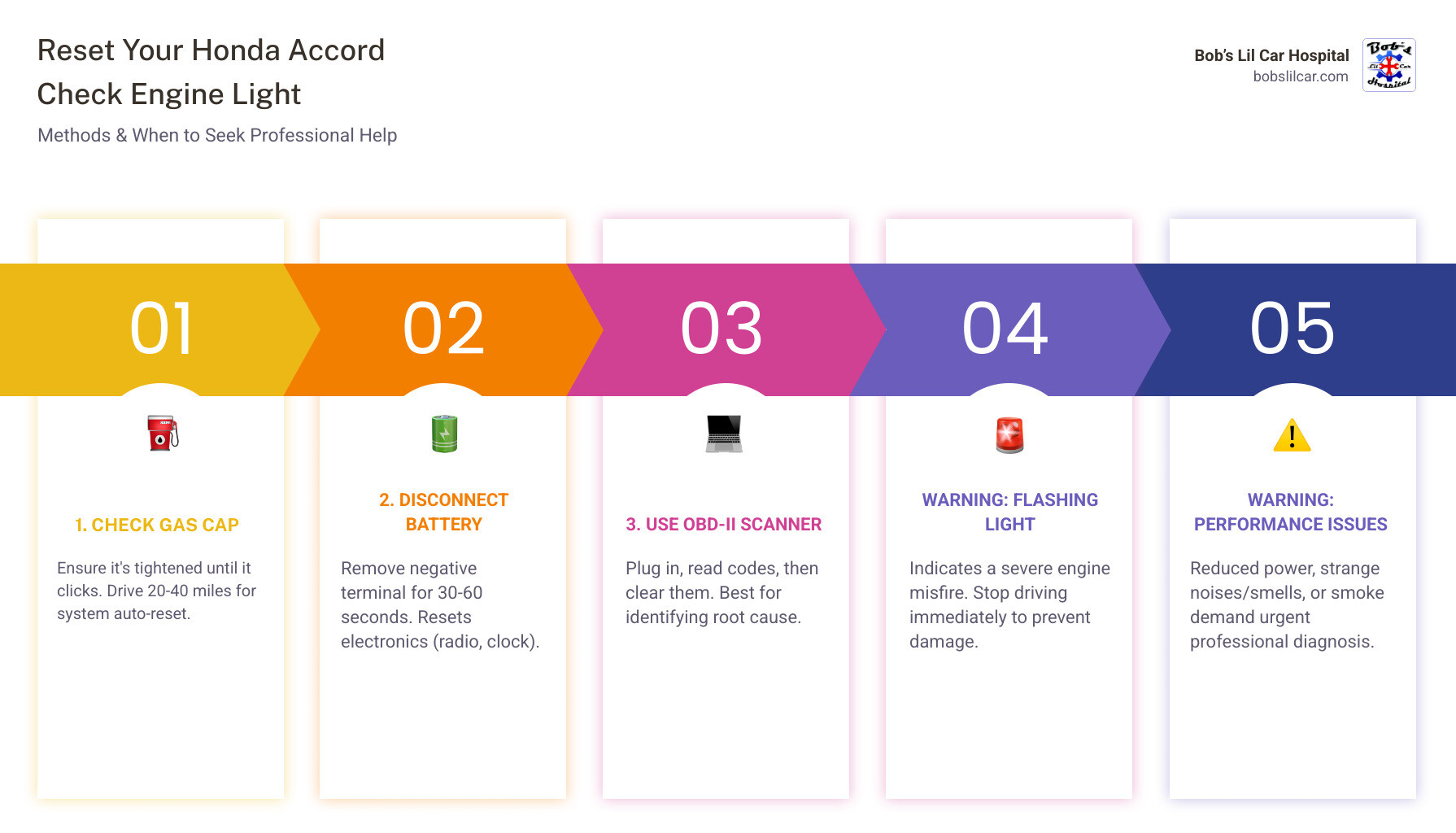
Honda Accord check engine light reset can be done in three main ways, but understanding why the light is on should come first:
Quick Reset Methods:
- OBD-II Scanner Method – Plug scanner into port under steering wheel, read codes, clear them (recommended)
- Battery Disconnect Method – Remove negative battery cable for 30-60 seconds, reconnect (resets radio/clock)
- Gas Cap Check – Tighten until it clicks, drive 20-40 miles for automatic reset
Important: If the light returns after resetting, you need professional diagnosis to avoid long-term damage.
We’ve all been there. You’re driving along, maybe with the kids in the back seat, and suddenly that amber engine light glows on your dashboard. Your heart sinks a little. Is it serious? Can you keep driving? Will this be expensive?
The check engine light on your Honda Accord can turn on for hundreds of reasons – from something as simple as not tightening your fuel cap enough to more serious engine problems. Most of the time, it’s actually the gas cap. But you can’t know for sure without checking.
Here’s the thing: you can reset the light yourself, but that doesn’t mean you should – at least not without understanding what caused it. Think of the check engine light as your car’s way of asking for help. Ignoring it or just turning it off is like putting a piece of tape over a smoke detector.
This guide will walk you through exactly how to reset your Honda Accord’s check engine light, when it’s safe to do it yourself, and when you need to stop and call a professional. We’ll keep it simple, straightforward, and help you make the right call for your situation.
Why Is Your Honda Accord’s Check Engine Light On?
When that little engine symbol illuminates on your Honda Accord’s dashboard, it’s your car’s On-Board Diagnostics (OBD-II) system, standard in all vehicles manufactured since 1996, telling you something’s amiss. This system continuously monitors various engine and emissions-related components. When it detects an issue that falls outside its normal operating parameters, it stores a Diagnostic Trouble Code (DTC), or “p-code,” and turns on the check engine light.
There are literally hundreds of these diagnostic trouble codes in Honda vehicles, meaning there are potentially hundreds of issues that could trigger the light. These codes are crucial because they act as a “starting point” for diagnosis, telling us which part or sensor in which system has a fault. Without reading these codes, even the most experienced mechanic can’t tell you what’s wrong just by looking at the light.
The check engine light can indicate anything from minor sensor issues to more serious engine problems affecting engine performance or the emissions system. It’s a broad warning, so understanding the common culprits is key to knowing whether a Honda accord check engine light reset is appropriate or if a deeper look is needed. For general car health, remember the importance of Car Maintenance.
The Usual Suspects: From Simple to Serious
Let’s explore some of the most common reasons your Honda Accord’s check engine light might come on. Some are quick fixes, while others demand immediate attention.
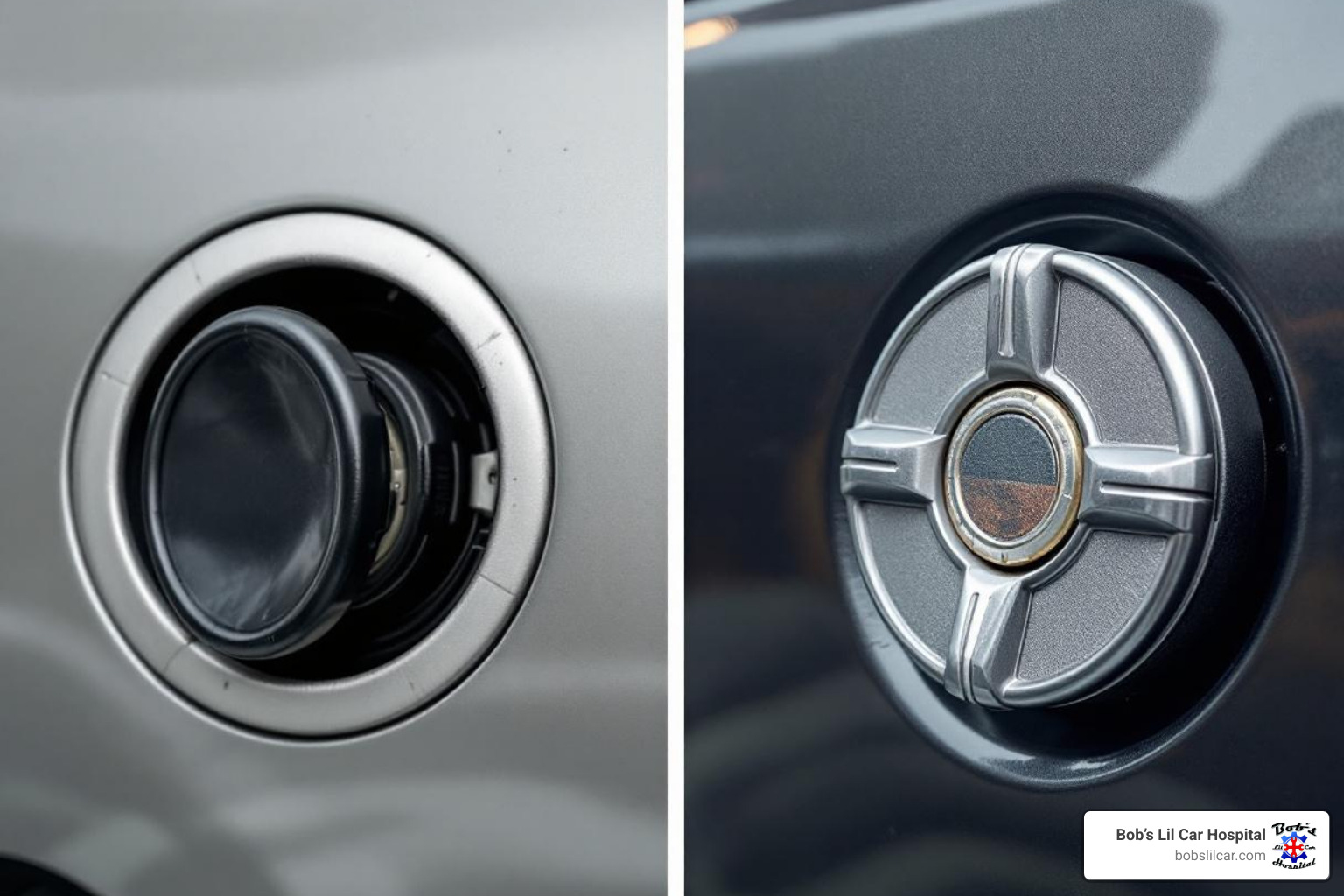
- Loose Gas Cap: This is by far one of the most frequent and easiest issues to resolve. A loose or faulty gas cap can allow fuel vapors to escape, triggering the check engine light because it affects the vehicle’s Evaporative Emission Control (EVAP) system. Most of the time, if the light is on and you’re not experiencing any drivability issues, a loose gas cap is the likely culprit.
- Faulty Oxygen Sensor: Oxygen sensors measure the unburned oxygen in your exhaust system. If one of these sensors fails, it can lead to decreased fuel efficiency and increased emissions, triggering the light.
- Bad Spark Plugs or Wires: Spark plugs ignite the air/fuel mixture in your engine. Worn-out plugs or damaged wires can cause misfires, leading to poor engine performance and a lit check engine light.
- Failing Catalytic Converter: The catalytic converter reduces harmful emissions. If it’s failing, you might notice reduced engine performance and a rotten egg smell. This is a more serious and costly repair.
- Mass Airflow Sensor (MAF) Failure: This sensor measures the amount of air entering the engine. A faulty MAF sensor can lead to a variety of drivability issues and trigger the check engine light.
- Vacuum Leaks: Your engine relies on a carefully controlled vacuum system. Leaks in vacuum hoses can cause the engine to run lean, affecting performance and illuminating the light.
The Special Case of the Loose Gas Cap
As we mentioned, the loose gas cap is the most common reason for that pesky check engine light. Why? It’s all about the EVAP system. This system is designed to capture fuel vapors from the fuel tank and prevent them from escaping into the atmosphere. If your gas cap isn’t sealing properly, these vapors can escape, and the car’s computer interprets this as an emissions system fault, turning on the check engine light.
How to check if your gas cap is the culprit:
- Inspect the Cap: Carefully remove your gas cap and examine the rubber gasket for any cracks, tears, or signs of wear. If it looks damaged, it might not be creating a proper seal.
- Check the Filler Neck: Look inside the fuel filler neck for any debris or damage that might prevent the cap from sealing correctly.
- Tighten Until It Clicks: The most important step! When you put the cap back on, make sure to tighten it until you hear several clicks. This ensures a secure seal. Be wary of “universal” or “locking” fuel caps from aftermarket stores, as they sometimes don’t meet original equipment (OE) specifications and might not seal correctly.
Once you’ve tightened the gas cap, the check engine light might not turn off immediately. It often takes a few “driving cycles” for the car’s computer to re-evaluate the EVAP system and confirm the issue is resolved. This typically means driving for 20 to 40 miles over a few trips. If the problem was indeed just a loose gas cap, the light should turn off on its own. If it stays on, then it’s time to investigate further.
Step-by-Step Guide to a Honda Accord Check Engine Light Reset
So, you’ve identified and fixed a minor issue like a loose gas cap, or perhaps a professional has made a repair, and you want to clear the light. Here are the common methods for a Honda accord check engine light reset. Always remember to prioritize safety!
Before attempting any reset, especially involving the battery, put on safety goggles and gloves. This protects you from potential battery acid splashes and electrical shocks. These methods clear the stored diagnostic codes from your car’s Engine Control Unit (ECU), effectively turning off the light. However, only reset the light if you are confident the underlying problem has been addressed. Resetting without resolving the fault means the light will just come back on, and you’ll be ignoring a potentially serious issue.
Method 1: The Professional Approach to a Honda Accord Check Engine Light Reset
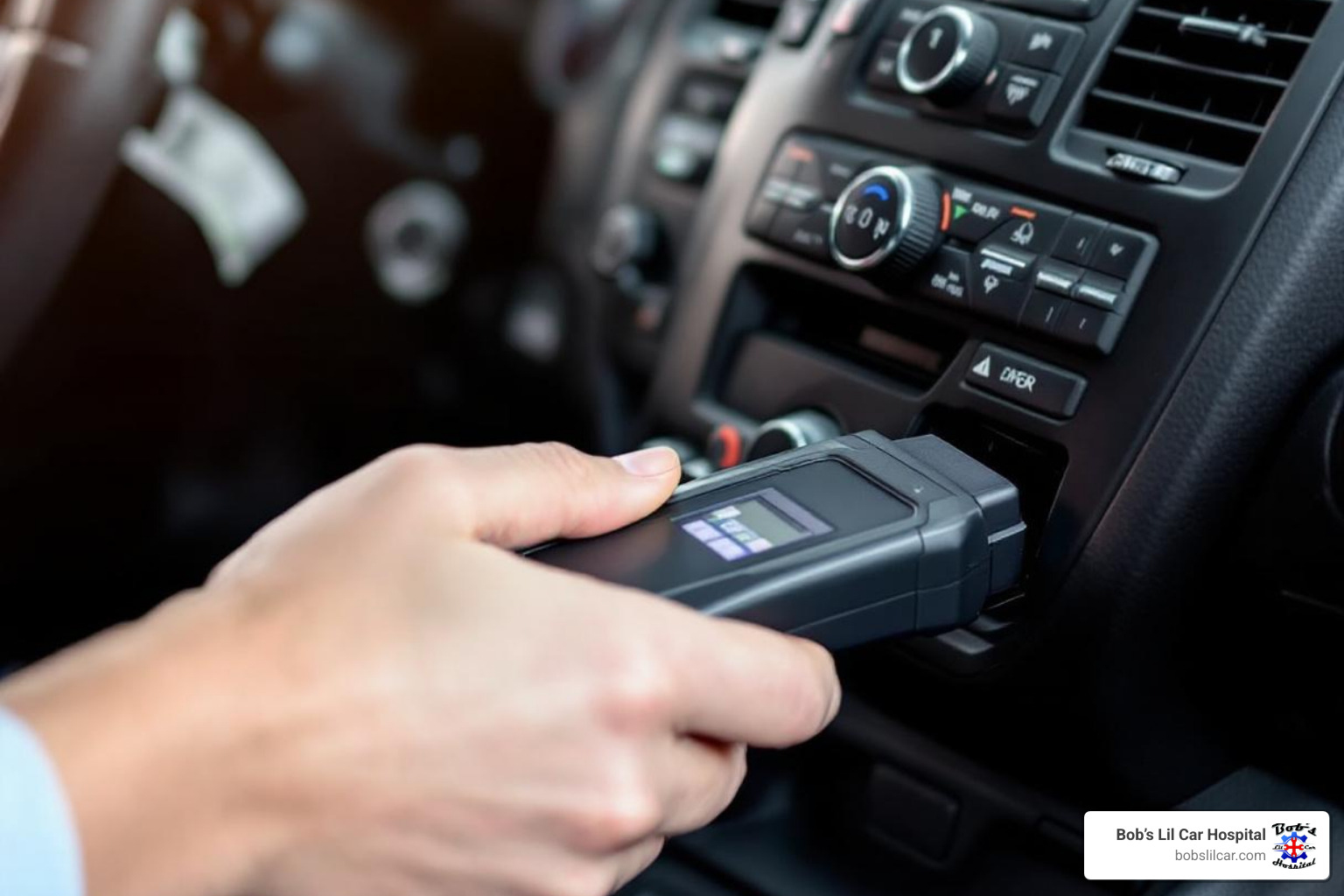
The most reliable and recommended way to perform a Honda accord check engine light reset is by using an OBD-II scanner. This tool not only allows you to clear codes but, more importantly, lets you read them first. Reading the codes is a critical diagnostic step, even if you suspect a simple fix like a gas cap, because it confirms the computer’s diagnosis.
Here’s how to use an OBD-II scanner:
- Acquire a Scanner: You can purchase an inexpensive OBD-II reader for around $20-$30 from most auto parts stores. Some stores, like those in Kelso or Longview, WA, will even read the codes for you for free. While they can’t clear the codes for you (due to liability), they might guide you on how to do it yourself.
- Locate the OBD-II Port: The port is usually located under the dashboard, on the driver’s side, near the steering column.
- Plug in the Scanner: Firmly connect the scanner cable to your car’s OBD-II port.
- Turn the Ignition to “ON”: Insert your key and turn the ignition to the “ON” position (Position II) without starting the engine. If your Accord has a push-button start, press the start button twice without your foot on the brake pedal.
- Read the Codes: Follow the scanner’s instructions to steer its menu and read the stored diagnostic trouble codes (DTCs). Write them down! These codes are invaluable for understanding the specific issue.
- Address the Issue: Once you have the codes, you can research what they mean. If it’s a minor issue you can fix (like tightening a gas cap after confirming the code), proceed. If it’s something more complex, this is where professional diagnosis comes in.
- Clear the Codes: After resolving the underlying problem, use the scanner’s “Erase Codes” or “Clear DTCs” function. Confirm the action when prompted.
- Turn Off Ignition: Disconnect the scanner and turn off your car.
- Verify: Start your car. If the problem is truly resolved, the check engine light should remain off.
Always check vehicle fault codes with an OBD-II scanner before attempting to reset the check engine light to ensure the underlying problem is addressed. Clearing codes without fixing the fault is a temporary solution at best, and the light will inevitably return.
Method 2: The DIY Honda Accord Check Engine Light Reset (With Cautions)
This method involves disconnecting your car’s battery and is a common DIY approach for a Honda accord check engine light reset. While it can work, it comes with side effects and should only be used when you are absolutely certain the issue is minor and resolved, such as a loose gas cap.
Here’s how to do it:
- Turn Off Your Car: Ensure your Honda Accord is completely turned off.
- Locate the Battery: Pop the hood and find your car battery.
- Identify the Negative Terminal: Look for the battery terminal marked with a minus sign (-) and usually covered by a black cap. This is the negative terminal. The positive terminal will have a plus sign (+) and often a red cap.
- Disconnect the Negative Cable: Using a wrench (typically 10mm or 13mm), loosen the nut on the negative terminal. Once loose, carefully pull the negative connector off the battery post. Do not let the disconnected cable touch any metal parts of the car. You can tuck it away or cover the terminal with a cloth to prevent accidental contact.
- Wait: Keep the negative cable disconnected for at least 30 to 60 seconds. Some sources suggest 15 minutes or even longer to ensure the car’s computer fully resets.
- Reconnect the Cable: Carefully reattach the negative cable to the battery post.
- Tighten the Nut: Use your wrench to tighten the nut firmly, ensuring a secure connection.
- Verify: Start your car. The check engine light should be off.
What are the side effects of this method?
Disconnecting the battery will reset more than just the check engine light. It essentially clears the vehicle’s entire electrical system, which means:
- Radio Presets: Your radio stations will likely be erased, and you’ll need to reprogram them.
- Clock Settings: The clock will need to be reset.
- Infotainment System Settings: Any personalized settings for your infotainment system might be lost.
- HondaLink System: This method may also reset your HondaLink system, requiring re-setup.
- Drive Cycle Reset: The car’s computer will lose its “learned” driving data, and it might take a few driving cycles for the engine to return to its optimal performance.
Because of these inconveniences and the risk of clearing important diagnostic data, using an OBD-II scanner is generally preferred.
Warning Signs: When to Stop and Call a Pro
A Honda Accord check engine light reset can be a simple fix for minor issues. However, there are crucial times when you should absolutely NOT attempt a reset and instead seek professional help. Ignoring these warning signs or repeatedly resetting the light without addressing the underlying problem can lead to more significant damage, costly repairs down the road, and even safety risks. For any Warning Signs with your vehicle, it’s always best to be cautious.
A Flashing vs. a Solid Check Engine Light
The way your check engine light behaves is a critical indicator of the severity of the problem:
- Solid Check Engine Light: If the light is on constantly but not flashing, it typically indicates a problem that needs attention soon, but it’s usually not an immediate emergency. You might still be able to drive your car, but you should get it checked out as soon as possible. Common causes for a solid light include a loose gas cap, a faulty oxygen sensor, or minor emissions system issues.
- Flashing Check Engine Light: This is a major red flag! If the check engine light is blinking while you’re driving, it indicates a severe, urgent issue, most commonly a severe engine misfire. This means unburned fuel is likely entering your catalytic converter, which can cause it to overheat and fail, leading to very expensive repairs. If you see a flashing check engine light, you should pull over immediately, turn off the engine, and have your car serviced or towed to a repair shop. Continuing to drive with a blinking light can cause permanent and serious engine damage.
Other Red Flags to Watch For
Beyond the flashing light, several other symptoms signal that your check engine light indicates a serious problem requiring immediate professional attention:
- Reduced Engine Power: If your car feels sluggish, loses acceleration, or struggles to maintain speed, especially uphill, the engine is likely in “limp mode” to prevent further damage.
- Strange Noises or Smells: Any unusual knocking, grinding, hissing, or burning smells coming from the engine or exhaust are clear indicators of a serious problem.
- Smoke from Exhaust: Excessive smoke of any color (blue, black, or white) from the exhaust pipe suggests significant engine trouble.
- Overheating Engine: If your temperature gauge is in the red or you see steam from under the hood, pull over immediately. An overheating engine can quickly lead to catastrophic failure.
- Poor Fuel Economy: A sudden and noticeable drop in your car’s mileage can indicate issues with fuel delivery, sensors, or even the catalytic converter.
If you experience any of these symptoms in conjunction with your check engine light, do not attempt to reset the light yourself. Drive carefully to a trusted service center, or have your vehicle towed. For specific information related to your model year, always consult Your official Honda owner’s manual.
Check Engine Light vs. Maintenance Required Light
It’s easy to confuse the check engine light with the “Maintenance Required” light. Your Honda Accord’s dashboard will signal very different things. Understanding the distinction is crucial for proper vehicle care.
The Check Engine Light (CEL)
This light, which typically looks like an engine outline, is a warning from your car’s On-Board Diagnostics (OBD-II) system.
- Purpose: It indicates a potential fault in the engine, emissions, fuel, ignition, or exhaust systems. It’s your car’s way of saying, “Something might be wrong.”
- Severity: The issue can range from minor (like a loose gas cap) to critical (like a severe engine misfire, indicated by a flashing light).
- Reset Method: To turn it off, the underlying problem must be fixed. The code is then cleared using an OBD-II scanner or by disconnecting the battery (which has side effects).
The Maintenance Required Light (MRL)
This light, often showing a wrench or text like “MAINT REQD,” is a simple reminder.
- Purpose: It’s a pre-programmed reminder based on mileage to let you know it’s time for routine service, primarily an oil change.
- Severity: There is no severity. It’s not an emergency, and driving with it on won’t harm your vehicle, though you shouldn’t delay the recommended service for too long.
- Reset Method: This light is reset manually, usually after the service is complete. It doesn’t require any special tools.
The maintenance light is just a helpful nudge to keep up with your car’s service schedule.
To reset the Maintenance Required Light on your Honda Accord:
- Turn the engine off.
- Press and hold the select/reset button (usually on your dashboard).
- While holding the button, turn the ignition switch to the “ON” position (Position II), but do not start the engine.
- Continue to hold the button for at least 10 seconds, or until the indicator light resets.
We recommend resetting this light after every oil change to keep it synchronized with your actual service schedule.
Don’t Just Reset, Resolve the Issue
It’s tempting, isn’t it? That glowing amber light on your dash, staring at you, making you wonder. A quick Honda Accord check engine light reset might make it disappear for a while, but if you haven’t addressed the root cause, it’s like sweeping dust under the rug. The problem is still there, lurking, and it will eventually resurface—often with more serious consequences.
Ignoring the underlying issues that trigger your check engine light can lead to a cascade of problems. A minor sensor issue, if left unaddressed, could impact other components, leading to decreased fuel efficiency, reduced engine performance, and even costly damage to your catalytic converter or other critical engine parts. These issues can quickly escalate from a simple, inexpensive fix to a major repair bill.
Beyond the mechanical implications, a persistent check engine light can also prevent you from passing emissions tests, which are required in many areas. If your vehicle can’t pass inspection, you won’t be able to renew your registration, causing further headaches.
That’s where we come in. At Bob’s Lil Car Hospital, serving Kelso, Longview, Kalama, Castle Rock, Toutle, and all of Southwest Washington, we pride ourselves on exceptional customer service and genuine care. We understand that a check engine light can be stressful, and our goal is to turn that stressful situation into a pleasant, straightforward experience. Our expert technicians use state-of-the-art diagnostic tools to accurately read those DTCs and pinpoint the exact problem your Honda Accord is experiencing. We won’t just reset the light; we’ll diagnose and resolve the issue, giving you lasting peace of mind.
Don’t let that amber glow turn into a major headache. If your check engine light is on after you’ve tried a simple reset, it’s time for a professional diagnosis.
Call us to schedule an appointment today! Let us provide you with the expert care your Honda Accord deserves. You can also learn more about our expert auto repair services.