

Benefits of synthetic oil: 2026’s Top Upgrade
Introduction: Understanding Your Engine’s Lifeblood
Benefits of synthetic oil include superior engine protection, extended oil change intervals, better performance in extreme temperatures, improved fuel economy, and improved engine cleanliness compared to conventional motor oil.
Quick Answer: Top Benefits of Synthetic Oil
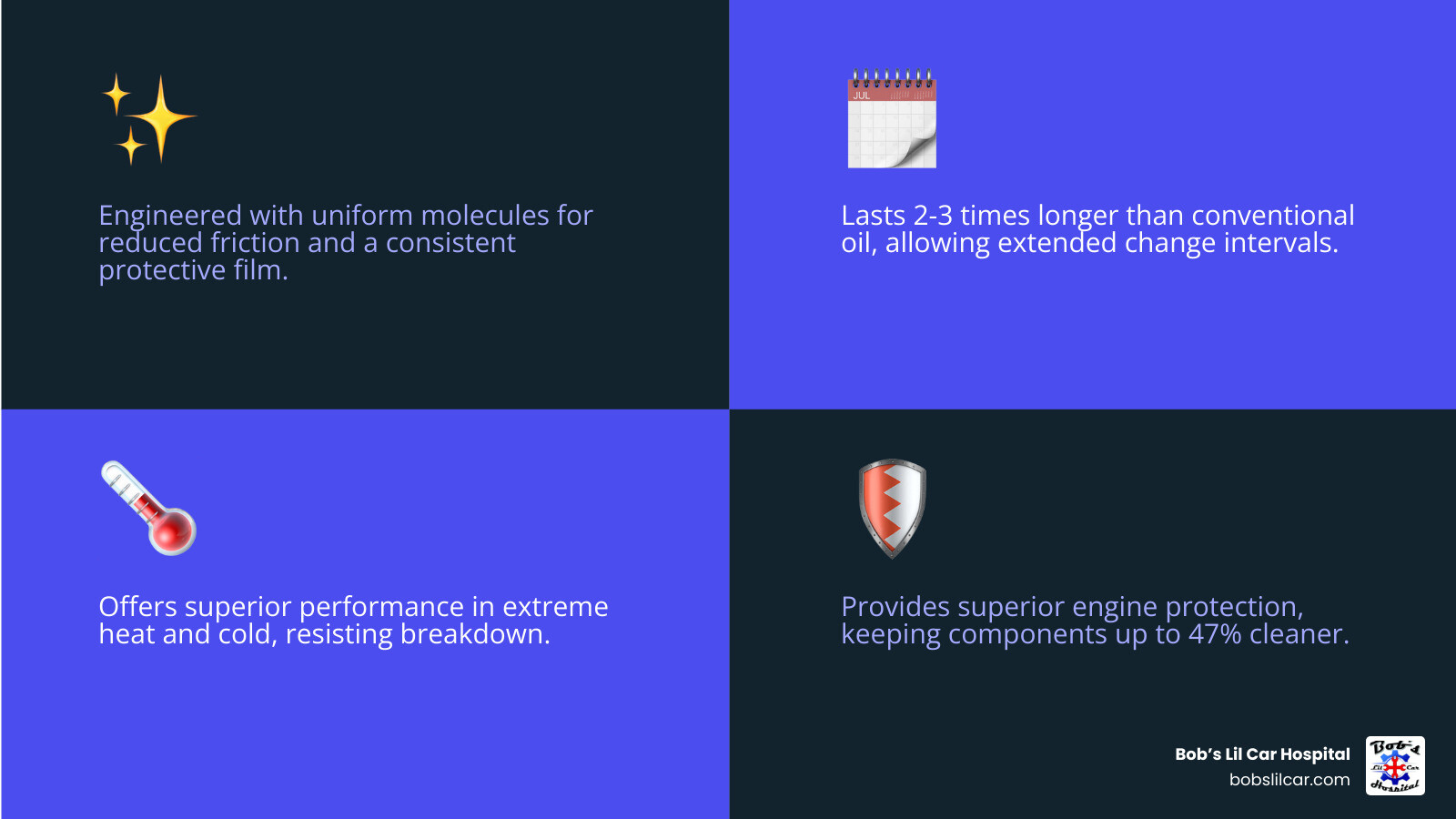
- Keeps engines up to 47% cleaner – Reduces deposits and sludge buildup
- Lasts 2-3x longer – Change intervals of 10,000-15,000 miles vs. 3,000-5,000 miles
- Better extreme temperature performance – Flows at -40°F and resists breakdown in extreme heat
- Improved fuel economy – Drivers save an average of 550 miles per year
- Superior engine protection – Reduces friction and wear significantly better than conventional oil
Your engine needs oil to survive. Without proper lubrication, metal parts grind together at high speeds, creating heat and friction that can destroy your engine in minutes.
But not all oils are created equal.
Synthetic oil is engineered from artificially created chemical compounds. Its molecules are broken down and rebuilt to be nearly uniform in size and structure. This matters because uniform molecules create a more consistent, protective film between engine parts.
Conventional oil comes from refined crude petroleum. Under a microscope, you’d see molecules of wildly different shapes and sizes. It contains natural impurities like waxes, oxygen, and sulfur that can break down under stress.
The difference isn’t just technical—it’s practical. According to AAA research, synthetic oils outperformed conventional oils by an average of 47 percent across multiple standardized tests. Nearly 70 percent of new cars in 2019 came from the factory with synthetic or synthetic blend oil.
Yes, synthetic oil costs about 30% more upfront. But you’ll replace it half as often, and your engine will thank you with better performance and longer life.
For families dealing with unexpected car trouble or planning long trips, choosing the right oil isn’t just maintenance—it’s peace of mind.
The Core Benefits of Synthetic Oil: A Deep Dive
When it comes to keeping your vehicle running smoothly through the winding roads of Southwest Washington or the daily commute in Longview, the oil you choose plays a crucial role. We understand that deciphering the array of motor oil options can feel overwhelming. That’s why we’re here to break down the primary benefits of synthetic oil and why it’s often the smartest choice for your engine.
At its heart, synthetic oil is designed for peak performance and protection. Its uniform molecular structure means less internal friction within the oil itself, leading to a more consistent and robust lubricating film. This translates directly into better engine protection, reduced wear on critical components, and a cleaner engine overall. It’s like giving your engine a premium shield against the daily grind.
Superior Engine Cleanliness and Protection
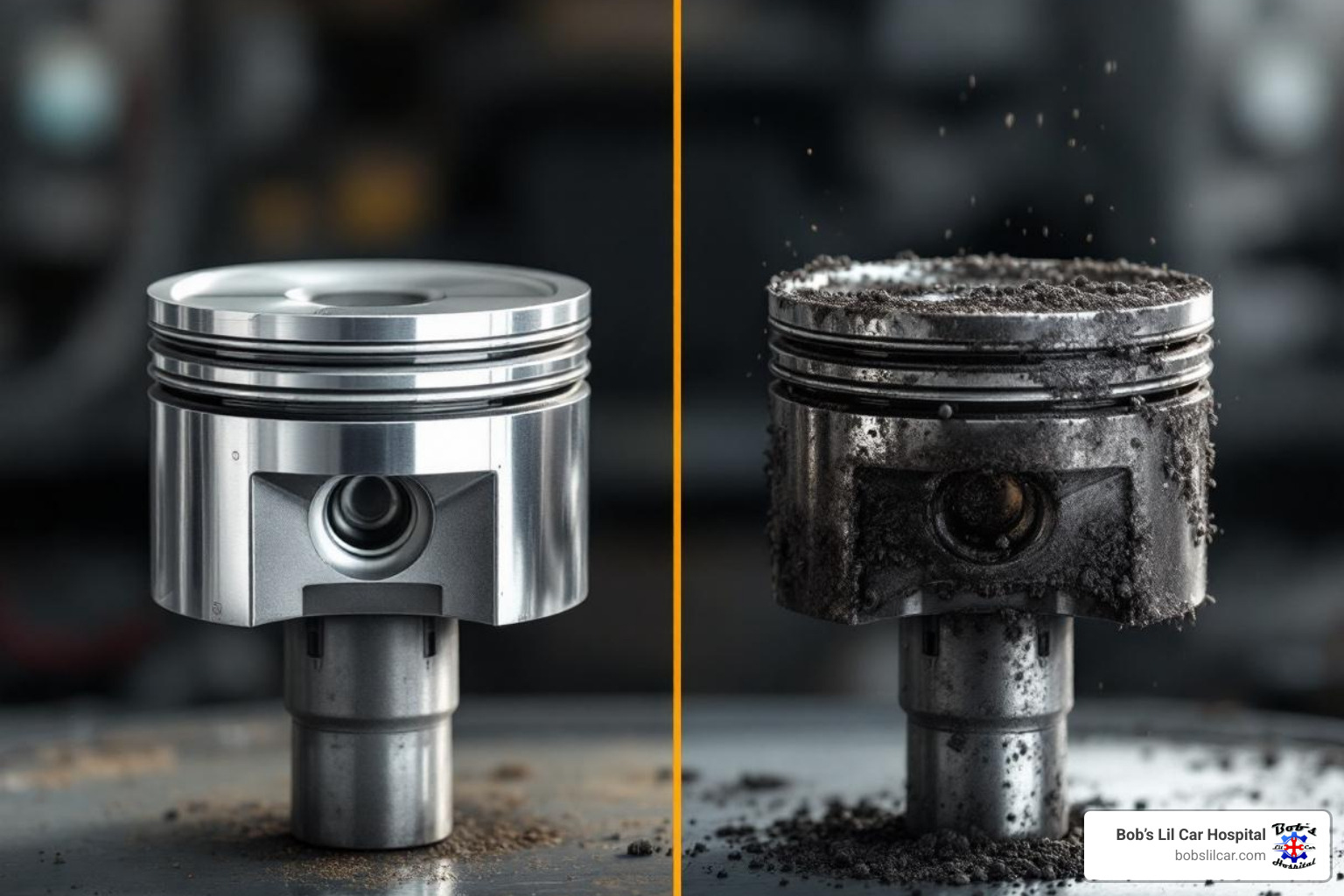
Imagine your engine’s internal components, especially those hardworking pistons. Over time, as conventional oil breaks down, it can leave behind harmful deposits and sludge. These contaminants can clog vital oil passages, reduce efficiency, and shorten your engine’s lifespan. Synthetic oil, however, is a champion of cleanliness.
Research shows that synthetic oil keeps pistons significantly cleaner than conventional alternatives. Some synthetics keep pistons up to 40% cleaner than even the toughest industry standards. This level of cleanliness is vital because a cleaner engine is a better protected and more responsive engine. Contaminants like soot, carbon, and acids are byproducts of combustion, and a high-quality synthetic oil is formulated to suspend these contaminants until your next oil change, preventing them from forming harmful deposits.
This superior cleanliness directly contributes to unsurpassed wear protection. When engine parts are free from sludge and deposits, they can move as designed, reducing friction and extending the life of your engine. The AAA study mentioned earlier highlighted this, finding that synthetic oils outperformed conventional oils by 47 percent in conducted tests, specifically evaluating aspects like deposit formation and shear stability. This isn’t just about avoiding catastrophic failure; it’s about maintaining your engine’s peak performance for years to come, whether you’re driving through Kelso or heading out from Castle Rock.
For more tips on keeping your vehicle in top condition, check out our Car Maintenance Tips. Ensuring your engine stays clean and well-lubricated is a cornerstone of Keeping Your Car Running Strong.
Improved Fuel Economy: An Overlooked Benefit of Synthetic Oil
When we talk about the benefits of synthetic oil, improved fuel economy might not be the first thing that comes to mind, but it’s a significant advantage that can add up over time. Because synthetic oil has a more uniform molecular structure and fewer impurities, it creates less internal friction and drag within the engine. This means your engine doesn’t have to work as hard to move its parts, leading to better overall efficiency.
This reduced engine drag translates directly into better fuel economy. While the immediate impact might seem small, it’s cumulative. Drivers using synthetic oil can, on average, drive an extra 550 miles per year compared to those with dirty engines. Think about what an extra 550 miles means for your wallet over a year, especially with fluctuating fuel prices. It’s not just about saving money at the pump; it’s about reducing your vehicle’s carbon footprint with fewer emissions.
Modern engines, designed with tighter tolerances and advanced technologies, particularly benefit from synthetic oil’s ability to maintain its viscosity and lubricating properties under diverse conditions. This allows the engine to operate closer to its intended design efficiency, optimizing fuel combustion and minimizing wasted energy. For us, helping you achieve better fuel economy is just another way we ensure your car serves you better.
Best Performance in Extreme Conditions
The weather in Southwest Washington can be quite varied, from chilly, damp winters to warm summers. These temperature fluctuations place significant demands on your engine oil. This is where the inherent qualities of synthetic oil truly shine, offering robust protection when conventional oils might falter.
Excelling in Extreme Heat and Cold
One of the most critical benefits of synthetic oil is its exceptional performance across a wide range of temperatures. This is due to its naturally higher viscosity index, meaning its viscosity (or thickness) changes less dramatically with temperature fluctuations.
- Faster oil flow on cold starts: In freezing temperatures, conventional oil can thicken significantly, leading to lubricant starvation during start-up. This is when most engine wear occurs. Synthetic oils, however, maintain high flowability at low temperatures, with some capable of handling cold starts at temperatures as low as -40°F (-40°C). This means faster lubrication to critical engine parts, drastically reducing wear during those brisk mornings in Kalama or Toutle.
- Resists thinning at high temperatures: Conversely, in extreme heat, conventional oils can thin out, losing their protective film strength and increasing the risk of metal-on-metal contact. Synthetic oils are far more resistant to thermal breakdown and maintain a thicker, more protective film, even when your engine is running hot. They also have a higher flash point, making them less flammable and more stable under high-heat conditions. This robust performance prevents oil breakdown and protects engine components from the stresses of high operating temperatures.
This all-weather protection ensures consistent lubrication and peace of mind, no matter what the forecast brings. Regular maintenance, including choosing the right oil, is key to this resilience. Learn more about it on our Regular Maintenance page.

Ideal for Demanding Driving Scenarios
Beyond temperature extremes, certain driving conditions can push your engine and its oil to the limit. In these demanding scenarios, the superior stability and protective qualities of synthetic oil become indispensable.
- Towing heavy loads: Whether you’re hauling a boat to the lake or a trailer for work, towing puts immense strain on your engine. The increased heat and pressure demand an oil that won’t break down. Synthetic oil’s resistance to thermal degradation ensures consistent lubrication, protecting your engine’s vital components under heavy loads.
- High-performance vehicles: If you drive a vehicle designed for speed and power, synthetic oil isn’t just a recommendation—it’s often a requirement. These engines operate at higher RPMs and temperatures, where the precision and stability of synthetic oil are crucial for maintaining performance and preventing wear.
- Turbocharged engines: Turbochargers spin at incredibly high speeds and generate intense heat, making them one of the most demanding environments for engine oil. Synthetic oil is particularly beneficial for turbocharged engines due to its superior lubrication properties and resistance to breakdown under these extreme conditions. Many modern cars with smaller, turbocharged engines rely on synthetic oil for their longevity.
- Stop-and-go traffic and short trips: Believe it or not, frequent short trips around Longview or constant stop-and-go traffic can be harder on your engine than long highway drives. The engine doesn’t always reach optimal operating temperature, leading to condensation and sludge buildup. Synthetic oil’s cleaning properties and resistance to sludge formation help mitigate these issues, keeping your engine healthier.
If your driving habits or vehicle type fall into any of these categories, upgrading to synthetic oil is not just an option but a proactive step to safeguard your engine’s health and performance. For any concerns or to get your vehicle ready for these demanding conditions, call us to schedule an appointment with one of our expert technicians.
Practical Considerations: Cost, Longevity, and Vehicle Compatibility
We often hear questions about the practical side of synthetic oil: “Is it really worth the extra cost?” or “Can I use it in my older car?” These are excellent questions, and we’re happy to shed some light on the long-term value and compatibility of synthetic oil for your vehicle.
Oil Change Intervals and Long-Term Value
One of the most compelling benefits of synthetic oil is its extended service life. While conventional oil typically requires changes every 3,000 to 5,000 miles, synthetic oil can often go much longer.
The typical oil change interval for synthetic oil ranges from 10,000 to 15,000 miles, or once a year, whichever comes first. This means you’ll be visiting us for oil changes far less frequently. While synthetic oil does have a higher upfront cost—about 30 percent more than conventional oil—this extended interval often offsets the difference. You’re replacing it half as often, which can lead to comparable or even lower annual maintenance costs.
Let’s look at a quick comparison:
| Oil Type | Average Cost per Change (DIY) | Recommended Change Interval (miles) | Estimated Annual Cost (assuming 15,000 miles/year) |
|---|---|---|---|
| Conventional | ~$28 (for 5 quarts) | 3,000 – 5,000 | ~$84 – $140 |
| Synthetic | ~$45 (for 5 quarts) | 10,000 – 15,000 | ~$45 – $67.50 |
Note: These are DIY costs for oil only. Professional service costs will be higher but the relative difference and savings remain.
As you can see, the long-term savings and convenience of fewer oil changes can make synthetic oil a very cost-effective choice. It’s an investment in your engine’s longevity and your peace of mind, reducing the frequency of maintenance tasks. This aspect of Car Maintenance is often a pleasant surprise for our customers.
Is Synthetic Oil Safe for Older Cars?
There’s a common myth that synthetic oil shouldn’t be used in older vehicles, perhaps because it might cause leaks or isn’t necessary. We’re here to tell you that this is largely untrue! Modern synthetic oils are perfectly safe and often beneficial for older vehicles.
In the past, some early synthetic formulations had issues with seal compatibility, but today’s synthetic oils are designed to be compatible with all engine seals. In fact, for high-mileage cars, synthetic oil offers improved engine protection, just as it does for new engines. Its superior cleaning properties can even help address existing sludge and deposit buildup, which is more common in older engines that have used conventional oil for years. This can lead to a cleaner engine and improved performance.
However, a word of caution: if your older engine already has minor leaks due to worn seals or gaskets, switching to a thinner, more free-flowing synthetic oil might make those existing leaks more noticeable. It’s not that the synthetic oil caused the leak, but rather that its superior flow properties highlight an underlying issue. If you’re concerned, we can inspect your engine’s seals before making the switch.
According to Consumer Reports, using synthetic oil in older cars can help prevent the formation of gunky residue or “sludge” that can block oil passages and lead to engine failure. For more expert advice on this topic, you can refer to this resource: Expert advice on using synthetic oil in older cars. We always recommend consulting your vehicle’s owner’s manual and discussing your specific situation with our ASE-certified technicians.
Frequently Asked Questions About Switching to Synthetic Oil
We get a lot of great questions from our customers in Southwest Washington about making the switch to synthetic oil. It’s natural to have concerns about something as vital as your car’s engine. Let’s tackle some of the most common myths and questions head-on.
Will using synthetic oil void my car’s warranty?
This is a very common concern, and thankfully, it’s largely a myth. Using synthetic oil will not void your car’s warranty, as long as you use the correct oil grade and specification recommended by your vehicle’s manufacturer and adhere to the recommended oil change intervals.
In fact, many new cars today come from the factory with synthetic oil already in the engine. Manufacturers like Mercedes, Porsche, Corvette, some Cadillacs, Volkswagen, and Hyundai often specify synthetic oil for their vehicles due to its superior protection and performance. The key is always to check your owner’s manual for the specific API (American Petroleum Institute) certification and SAE (Society of Automotive Engineers) viscosity grade your vehicle requires. As long as the synthetic oil you choose meets these specifications, your warranty will remain intact. We always ensure to use the correct oil type for your specific vehicle at Bob’s Lil Car Hospital.
Can I switch back to conventional oil after using synthetic?
Another persistent myth is that once you switch to synthetic oil, you’re locked in forever and can never go back to conventional. This is also untrue. You can switch back and forth between synthetic and conventional oil at any time without damaging your engine.
Synthetic blends, which are a mixture of synthetic and conventional oils, are a testament to this compatibility. While you can switch back, we generally don’t recommend it if you’ve been enjoying the improved benefits of synthetic oil. Why downgrade your engine’s protection and performance? If you’re topping off your oil between changes, it’s always best to use the same type of oil that’s already in your engine for optimal protection.
What are the different types of synthetic oil?
The world of synthetic oils can seem a bit complex, but we can simplify it for you. There are generally a few main categories you’ll encounter:
- Full Synthetic Oil: This is the purest form of synthetic oil. It’s engineered from artificially created chemical compounds, offering the highest level of performance, protection, and longevity. These oils are typically made from Group III, Group IV (Polyalphaolefins or PAOs), or Group V (Esters) base oils. Group IV and V are considered true synthetics, while Group III is a highly refined mineral oil that performs like a synthetic. Full synthetics provide the maximum benefits of synthetic oil, including superior resistance to breakdown, excellent temperature performance, and advanced cleaning properties.
- Synthetic Blend Oil: As the name suggests, this is a mixture of conventional oil and full synthetic oil. It offers some of the performance advantages of full synthetic oil, such as better protection against wear and thermal breakdown, but at a lower price point than pure synthetics. It’s a good “middle-ground” option if you’re looking for an upgrade from conventional oil without the full synthetic price tag.
- High-Mileage Synthetic Oil: These oils are specifically formulated for vehicles with over 75,000 miles. They combine the benefits of synthetic oil with special additives designed to condition seals, reduce oil consumption, and minimize leaks common in older engines. They provide excellent protection for seasoned engines.
Each type offers distinct advantages, and the best choice for your vehicle depends on its age, mileage, manufacturer recommendations, and your driving habits.
Conclusion: Give Your Car the Protection It Deserves
Choosing the right motor oil is one of the most impactful decisions you can make for your vehicle’s health and longevity. As we’ve explored, the benefits of synthetic oil are clear and compelling: superior engine cleanliness, unsurpassed wear protection, improved fuel economy, and exceptional performance in extreme temperatures. It’s a smart investment that pays dividends in engine life, reliability, and peace of mind.
At Bob’s Lil Car Hospital, we believe your car deserves nothing less than the best. We understand the unique driving conditions in SW Washington and Cowlitz County including Kelso, Longview, Castle Rock, Kalama, and Woodland, along with several unincorporated communities, including Ariel, Carrolls, Coal Creek, Lexington, Ryderwood, Silver Lake, and Toutle, and we’re committed to helping you keep your vehicle running strong for years to come with genuine care and professionalism. We are located in Lexington.
Don’t leave your engine’s health to chance. Ready to give your car the protection it deserves with a professional synthetic oil change? Call us today at (360) 577-1187 to schedule your appointment. Our team is ready to provide the expert service and peace of mind you expect.