

Why Transmission Health Matters
Transmission fluid leaking is one of those car problems that starts small but can quickly become a major headache. Here’s what you need to know right away:
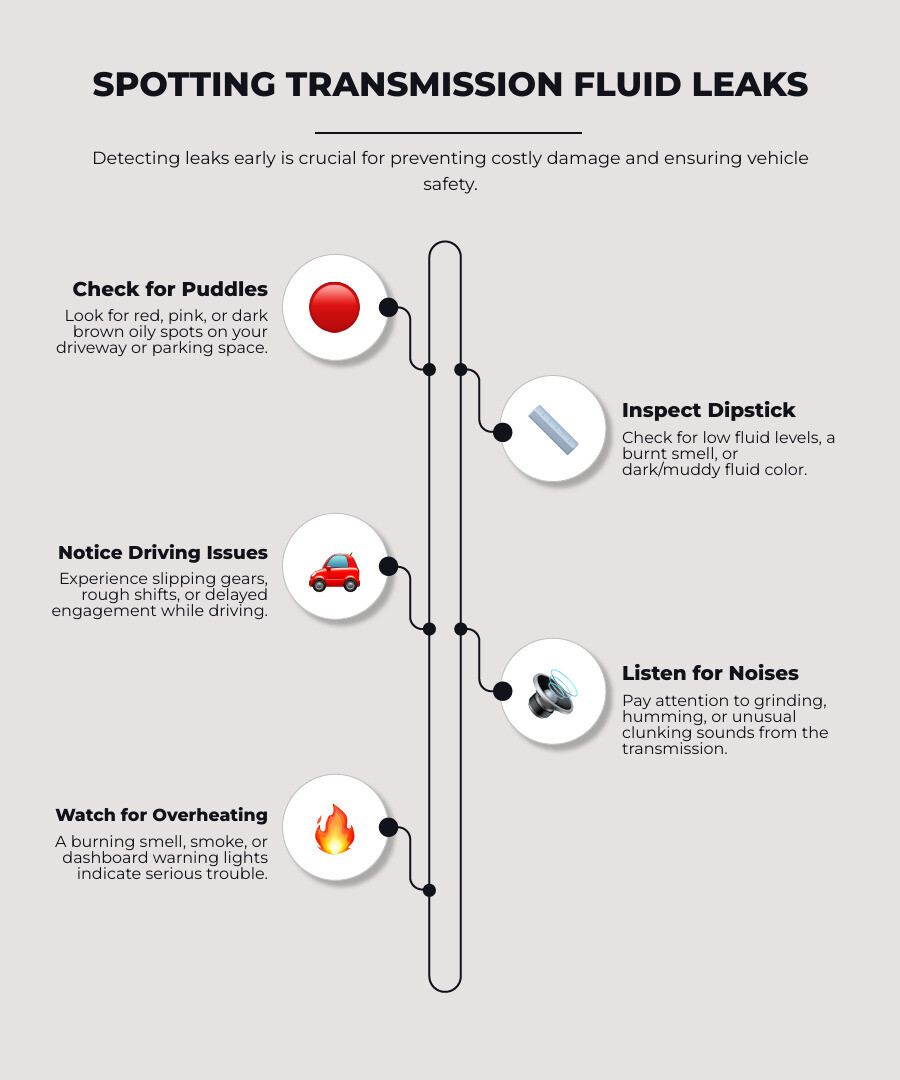
Quick Detection Guide:
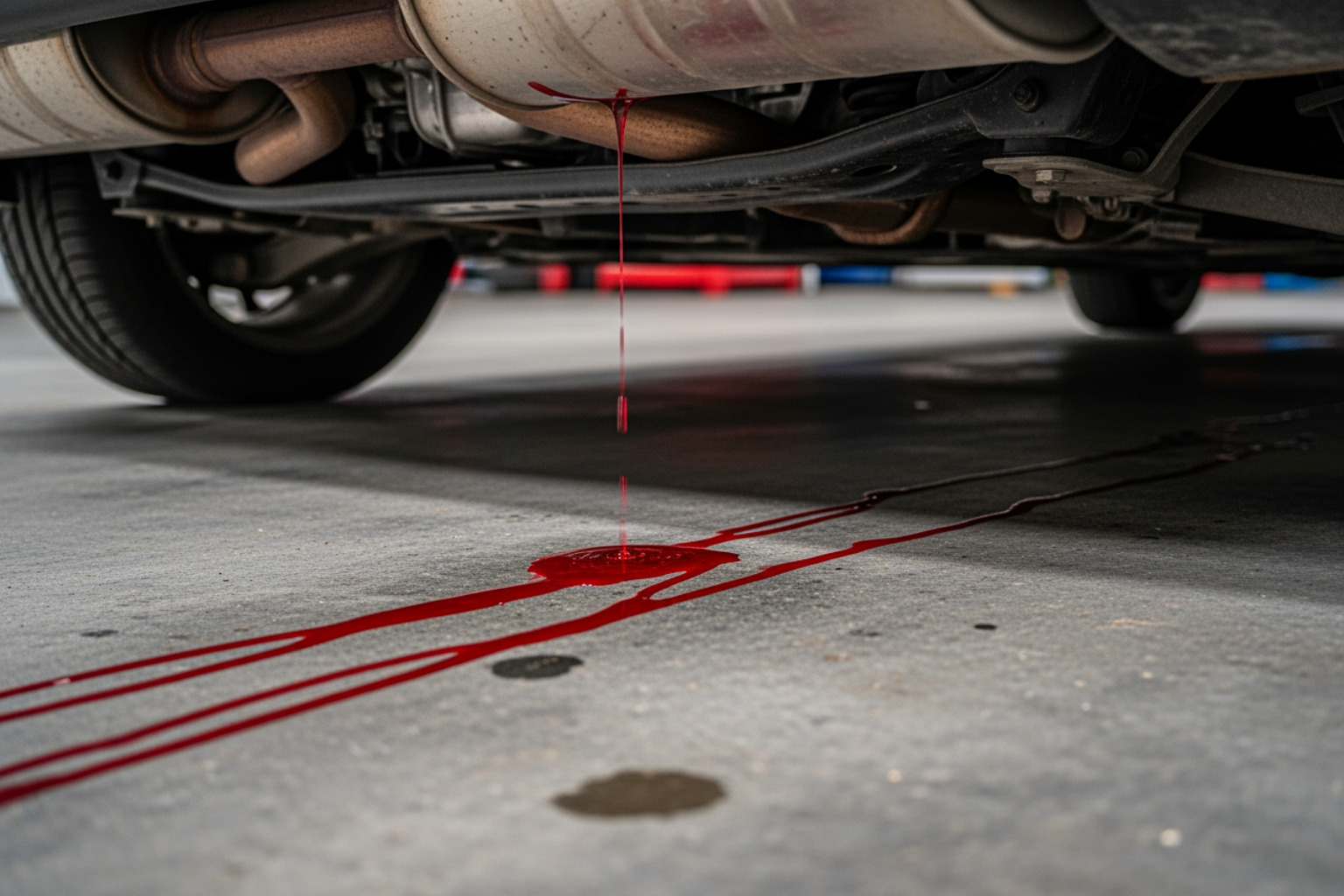
- Look underneath your car – Red, pink, or dark brown puddles indicate a transmission leak
- Check your dipstick – Low fluid levels or burnt-smelling fluid signal trouble
- Notice driving issues – Slipping gears, rough shifts, or delayed engagement point to low fluid
- Listen for sounds – Grinding or unusual noises from your transmission need attention
- Watch for overheating – A burning smell or smoke means serious problems
You just noticed a red spot under your car in the driveway. Your heart sinks a little. Is it serious? Should you still drive to work? Can it wait until the weekend?
These are the questions that run through your mind when you spot that telltale puddle. And they’re good questions to ask.
Transmission fluid does critical work inside your vehicle. It lubricates moving parts, maintains hydraulic pressure, and keeps everything cool. When that fluid starts leaking, even a small drip can lead to big problems. Your transmission needs proper fluid levels to function. Without enough fluid, components overheat and wear down fast.
A leak won’t fix itself. In fact, it will get worse. What starts as a few drops can turn into a secondary puddle. And the longer you wait, the more damage happens inside the transmission itself.
The good news? Most leaks are fixable if you catch them early. Worn gaskets, loose pan bolts, and damaged seals are common culprits. Getting them repaired quickly saves you from the stress and expense of major transmission work down the road.
I’m William Dickinson, webmaster at Bob’s Lil Car Hospital with over 20 years helping drivers understand their vehicles better. I’ve seen how catching transmission fluid leaking early makes all the difference between a simple repair and a transmission replacement.
Common Signs of Transmission Fluid Leaking
Identifying a leak early is the best way to protect your Gear Box. Most drivers in Longview or Kelso first notice a problem when they see a puddle on the garage floor. Unlike condensation from your air conditioner, which is clear water, transmission fluid has a distinct look and feel.
You should look for oily spots that are typically red or pink. However, if the fluid is old, it might look dark red or even brown. If you see a puddle that looks like cherry syrup, you likely have a leak. Another sign is the smell. Transmission fluid often has a slightly sweet or tart scent. If the leak is hitting a hot engine part, it might smell like burnt toast.
Checking your driveway is just the first step. You can also monitor your dashboard. While not all cars have a specific “transmission leak” light, many will trigger a “Check Engine” or “Transmission Temp” light if the fluid gets too low. Regularly checking your vehicle’s Car Fluids is a great habit to start.
If you suspect a leak, you can perform a simple “paper towel test.” Place a clean piece of white cardboard or several paper towels under your car overnight. In the morning, inspect the spots. This helps you confirm the color and the exact location of the drip. This information is incredibly helpful when you bring your car into our shop in Longview or Rainier.
Identifying the Color of Transmission Fluid Leaking
The color of the fluid tells a story about your transmission’s health. Fresh, healthy automatic transmission fluid (ATF) is a bright, translucent red. This bright color makes it easy for us to distinguish it from motor oil or coolant. If you see bright red spots, you have a fresh leak that needs a quick Transmission Service.
As the fluid ages and does its job, it darkens. It might turn a deep burgundy or dark brown. This happens because the fluid collects heat and tiny bits of debris over time. If the fluid you see is dark brown and smells “burnt,” it means the fluid is no longer protecting your gears. This is a sign that the leak has been happening for a while or the transmission is overheating.
Manual transmission fluid is a bit different. It is often semi-transparent or honey-colored, similar to motor oil. Identifying this can be trickier. Regardless of the color, any oily puddle under the center or front-middle of your car is a reason for concern. According to automotive experts, transmission fluid can even appear green or blue in some specific vehicle models, though red is the standard.
Mechanical Symptoms of Transmission Fluid Leaking
Sometimes you won’t see a puddle, but you will feel the leak while driving. This happens when the fluid level drops low enough to affect the hydraulic pressure. One of the most common symptoms is “slipping.” You might notice the engine revving higher than usual, but the car doesn’t speed up. This is a classic sign of Transmission Troubles.
You might also experience rough or “hard” shifting. Instead of a smooth transition between gears, the car might lurch or clunk. Delayed engagement is another red flag. This is when you shift from Park to Drive, and there is a noticeable pause before the car actually moves. These delays happen because there isn’t enough fluid to move the internal components instantly.
Unusual noises are your car’s way of crying for help. Listen for whining, buzzing, or humming sounds. In manual cars, you might hear a rhythmic grinding. These sounds usually mean that metal parts are rubbing together without enough lubrication. If you ignore these signs, you risk total transmission failure. We always recommend addressing these issues immediately to ensure Smooth Driving across Southwest Washington.
What Causes Transmission Fluid to Leak?
There are several common culprits behind transmission fluid leaking. One of the most frequent issues we see is a worn transmission pan gasket. The pan sits at the bottom of the transmission and holds the fluid. Over time, the gasket that seals the pan to the transmission body can crack or lose its flexibility. This leads to slow seeps or steady drips.
Another common source is the seals. Your transmission has several seals, including the front pump seal and the output shaft seal. These are designed to keep fluid inside while allowing shafts to rotate. Heat and mileage eventually cause these rubber components to harden and fail. If the front pump seal fails, you might see fluid leaking from the bell housing area between the engine and the transmission.
Transmission cooler lines are also prone to leaking. These metal or rubber tubes carry fluid to the radiator to keep it cool. They can rust, crack, or become loose at the connection points. According to CarParts.com, leaks often occur at the “crimp” where the rubber hose meets the metal line.
Finally, a cracked transmission housing or a loose drain plug can cause problems. While rare, hitting debris on the road can puncture the transmission pan. No matter the cause, identifying the source is the first step toward a fix. Our technicians in Kalama and Woodland are experts at pinpointing these exact locations.
The Risks of Driving with a Leak
Driving with a transmission leak is a gamble you don’t want to take. Transmission fluid isn’t just a lubricant; it’s a hydraulic fluid. It provides the power needed to shift gears. When the level gets low, the transmission can’t create the pressure it needs. This leads to friction, and friction creates intense heat.
Overheating is the number one enemy of your transmission. Excessive heat can warp metal parts and fry internal clutches. If the fluid gets too low, the transmission will eventually stop functioning entirely. You could find yourself stranded on the side of the road in Castle Rock or Toutle. A transmission failure is one of the most expensive repairs a vehicle owner can face.
There is also a safety risk. If your transmission slips while you are trying to merge onto a highway or turn across traffic, it can lead to an accident. Furthermore, leaking fluid is flammable. If it drips onto a hot exhaust pipe, it could potentially start a fire.
The statistics are clear: a transmission leak will not get better on its own. Poor lubrication in major components causes damage that is both costly and complex to repair. Taking action now prevents a small drip from turning into a multi-thousand-dollar replacement. We want to keep you safe and your car running smoothly for years to come.
How to Check and Fix Your Transmission Fluid
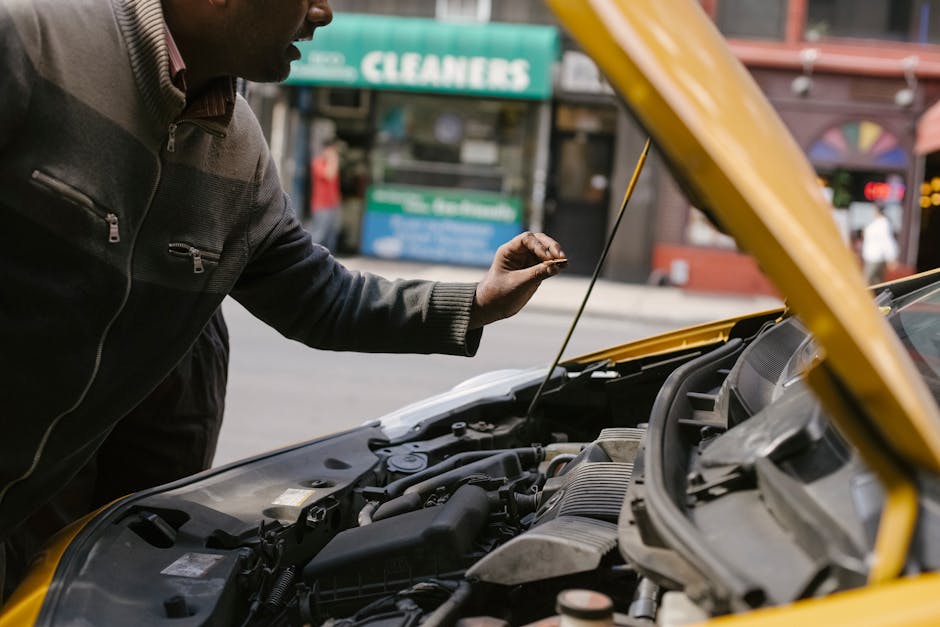
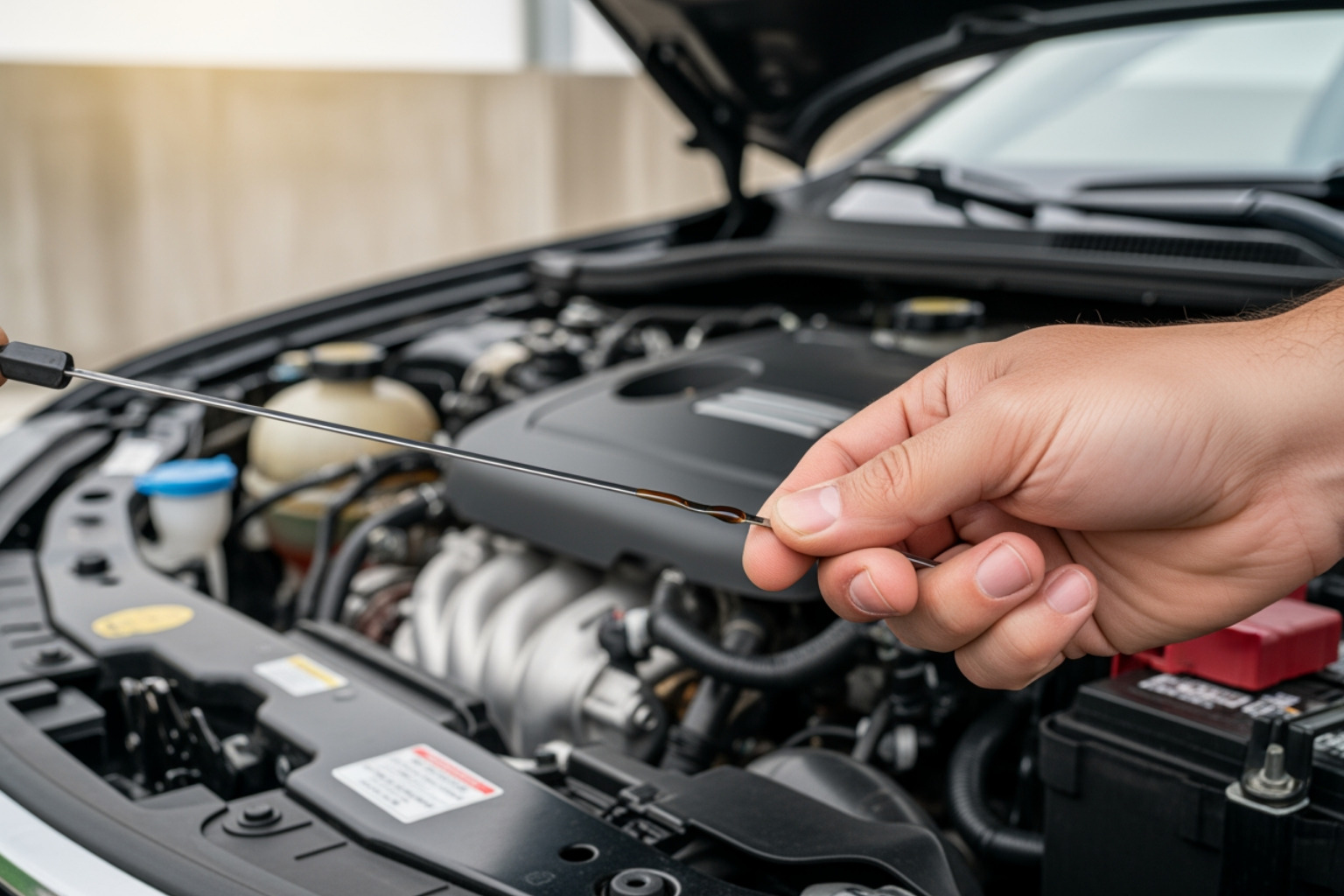
Checking your fluid is a simple task that every driver should know. Most vehicles have a transmission dipstick near the back of the engine bay. For an accurate reading, warm up the engine and let it idle. Park on level ground. Pull the dipstick, wipe it clean, reinsert it, then check the level.
If the level is low, you likely have a leak. Also check the fluid condition. Healthy fluid is usually clear red and smells normal. Dark fluid or a burnt odor signals overheating or wear. In that case, topping off alone will not solve the problem. You should have the system inspected by a professional.
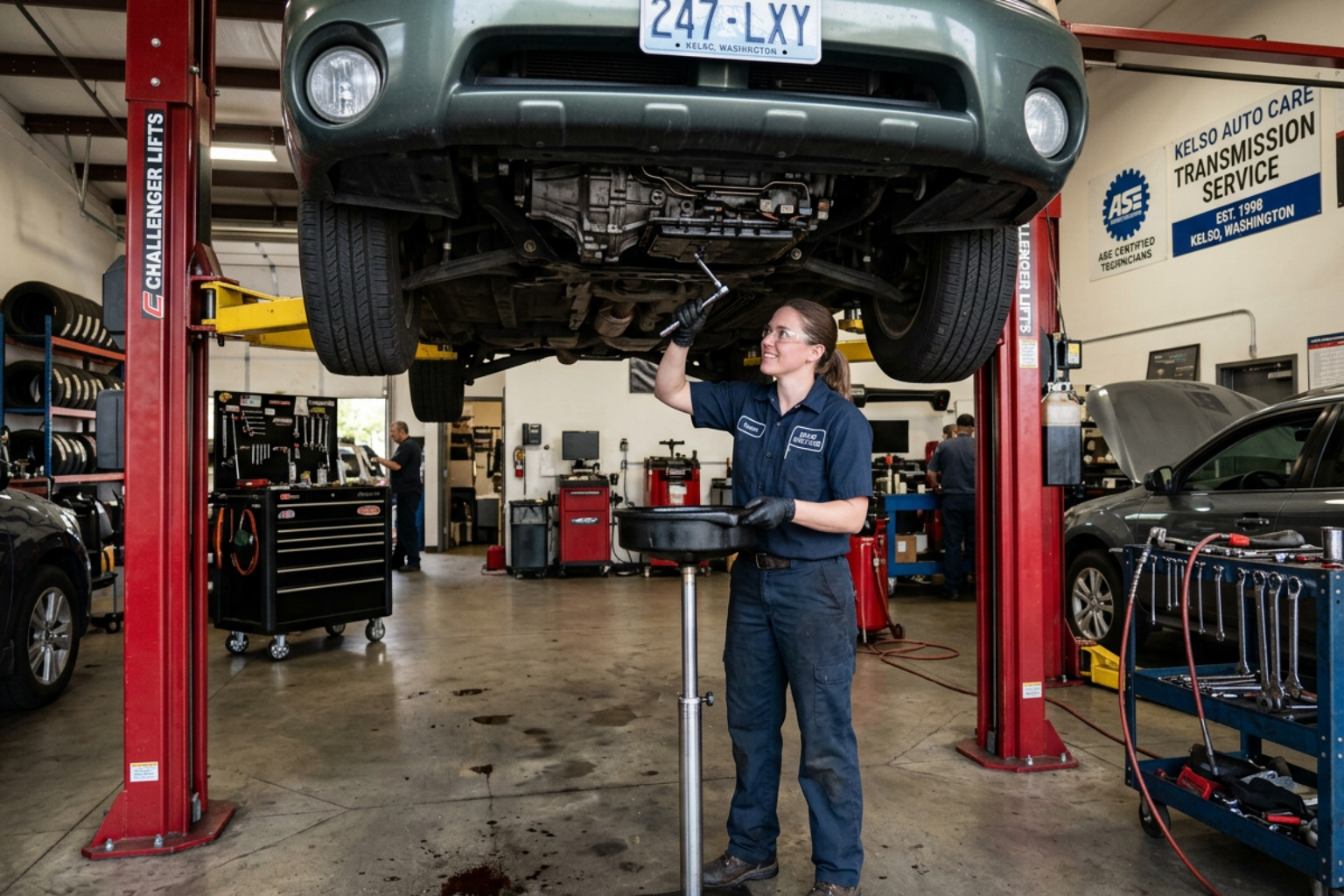
Fixing the leak depends on the source. If it is a pan gasket, we remove the pan, clean the surfaces, and install a new gasket. If it is a cooler line, we replace the damaged section and secure the fittings. For harder-to-reach leaks, such as an internal seal, the transmission may need partial disassembly.
| Feature | Transmission Fluid Exchange | Transmission Flush |
|---|---|---|
| Process | Replaces old fluid with new fluid | Uses a machine to force out old fluid and sludge |
| Cleansing Agents | None | Often uses a chemical cleaner |
| Recommendation | Safe for most vehicles | Check manufacturer guidelines first |
| Goal | Maintain fluid health | Deep clean the system |
If you are unsure what your vehicle needs, call Bob’s Lil Car Hospital and ask. We will help you choose the safest service for your car.
Frequently Asked Questions about Transmission Leaks
Is it safe to drive with a leak?
Technically, you may be able to drive if the fluid stays above the minimum mark. We do not recommend it. Leaks can change fast. A slow drip can turn into a sudden loss of fluid. That can leave you without drive in traffic.
Low fluid causes heat and poor lubrication. That damage can become permanent. If you must drive, check the level before every trip. Add the correct fluid if it is low. Then schedule an inspection as soon as possible.
What is the difference between an exchange and a flush?
A transmission fluid exchange removes old fluid and replaces it with new fluid. It supports proper lubrication and additives. It is a common maintenance step.
A transmission flush uses a machine to push fluid through the system. Some shops also use cleaners to break up buildup. Not every manufacturer recommends a flush for every model. Check your owner’s manual. You can also ask our team which option fits your vehicle.
Can routine maintenance prevent leaks?
Yes. Regular inspections help us spot seepage early. Small issues are easier to correct. Fresh fluid also helps condition seals and gaskets. Old fluid can let seals dry out and crack. Stick to your service schedule to reduce the risk of leaks and shifting problems.
Conclusion
At Bobs Lil Car Hospital, we know car trouble raises stress. We work hard to make the process easier. You will get clear answers, careful inspections, and professional repairs. We serve drivers in Longview, Kelso, and across Southwest Washington.
Do not ignore transmission fluid leaking. Early action helps protect the transmission. It also helps you avoid sudden breakdowns. If you have seen a red spot on the driveway, or your car shifts differently, it is time to get it checked.
Have a question about your transmission? Call Bob’s Lil Car Hospital today and talk with our team. You can also Visit our website to schedule an inspection.